How do serviceberries affect aroma, colour and body in liqueurs?
Flavor Balance and Texture in Homemade Liqueurs
Direct Answer
Serviceberries add woodland berry aroma, ruby-purple colour, soft tannin and rounded body without creating aggressive acidity.
Expanded Explanation
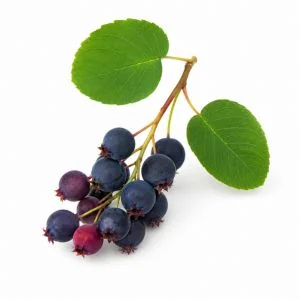
Serviceberries give liqueurs a gentle woodland aroma that can suggest blueberry, dark cherry, plum and dried raisin. Their fragrance is not as forceful as blackcurrant, so the result tends to be refined rather than highly perfumed. Ripe fruit may also contribute a subtle almond or marzipan impression, especially after a few weeks of maceration. Vanilla, honey, lemon and cinnamon can support these aromas without obscuring the central berry character when used carefully.
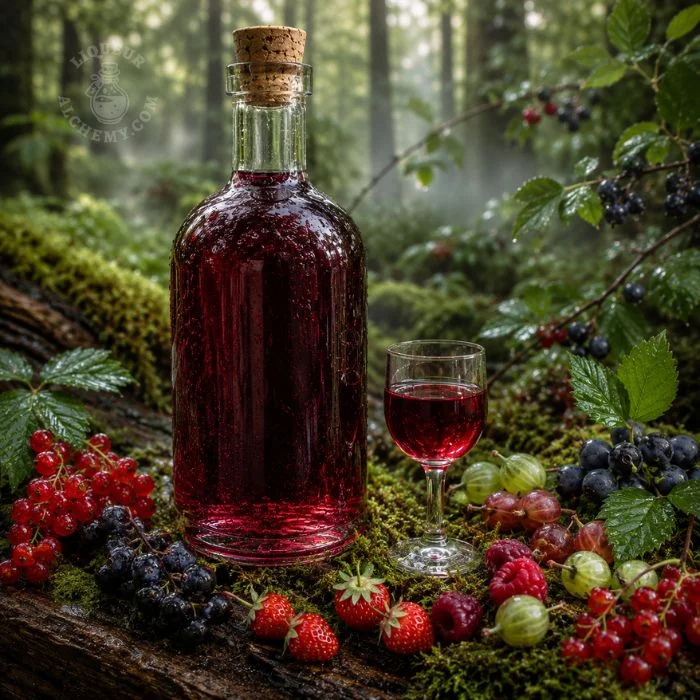
The colour usually develops from bright ruby to deeper red-purple, depending on ripeness, dosage and extraction time. Frozen or lightly crushed berries release pigment more rapidly than whole fresh fruit. Serviceberries contain moderate tannin, which provides enough grip to keep a sweet liqueur from feeling flat. Their acidity is comparatively soft, so they create a rounded profile rather than the sharp freshness associated with redcurrant or cranberry. A small amount of lemon juice may therefore be useful after straining.
In terms of body, serviceberries add gentle fullness through their dissolved fruit solids, natural sugars and tannins. The liqueur can feel smooth and slightly velvety once sweetened and rested, particularly when honey is included. Excessive pulp or over-crushing may make the drink cloudy and heavy, so careful filtration is important. After clarification and maturation, the best serviceberry liqueurs combine deep colour with a clean texture, mellow berry aroma and restrained structure. They are particularly suitable for elegant sipping liqueurs where balance and subtle complexity matter more than aggressive fruit intensity.