What fruits can replace cranberries while maintaining a similar tart and bright flavor profile?
Ingredients and Sweeteners That Shape Liqueur Flavor
Direct Answer
Lingonberries and red currants are the closest cranberry substitutes, with sour cherry and pomegranate also useful in tart liqueurs.
Expanded Explanation
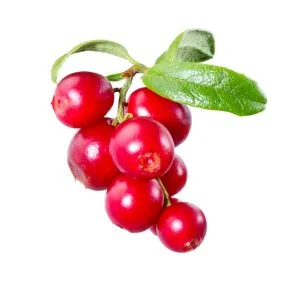
Several fruits can replace cranberries in liqueur making if your goal is to preserve tartness, freshness, and a vivid finish. Lingonberries are among the closest substitutes because they share a firm, bright, red-berry character with pronounced acidity and a clean, sharp edge. Red currants are also excellent when available. They bring juicy sourness, beautiful color, and a similarly lively structure. Sour cherries can work too, though they usually produce a rounder and slightly deeper stone-fruit note. In some recipes, pomegranate can substitute for cranberry’s brightness, especially when supported by citrus or spice.
The best substitute depends on what role cranberry plays in the recipe. If it is mainly there for acidity and color, red currants and lingonberries are especially strong candidates. If it also contributes a seasonal or festive flavor impression, sour cherry, pomegranate, or tart blackberry blends may work better. Rhubarb can even support the same sharpness, although it is not a fruit in culinary terms in every context and gives a more green, vegetal acidity. A little citrus zest can help any substitute feel more cranberry-like by restoring brightness.
When replacing cranberries, think about both tartness and body. Cranberries are not overly juicy or sugary, so substitutes that are too sweet may require less sugar in the final liqueur or a touch more acid from lemon or orange zest. The goal is not to mimic cranberry perfectly but to preserve its function: freshness, color, and balance. If you keep those structural qualities in mind, several tart fruits can stand in successfully without losing the crisp style cranberry brings to a homemade liqueur.