Fragalisse

Fragalisse Wild Strawberry Liqueur with Honey and Vanilla Recipe

Fragalisse is a refined wild strawberry vodka liqueur featuring vibrant woodland fruit balanced by white sugar, powdered sugar and honey for smooth sweetness. Golden raisins enhance body without dominating the flavour, while vanilla and fresh lemon add elegance and freshness, creating a silky, aromatic liqueur with a beautifully clean finish.

Main notes

  • Vodka
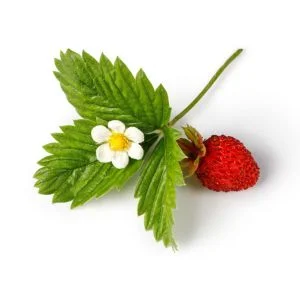
  • Wild Strawberries

Ingredients

  • Vodka — 1 L
  • Wild strawberries — 1 kg
  • White sugar — 80 g
  • Powdered sugar — 30 g
  • Honey — 20 g
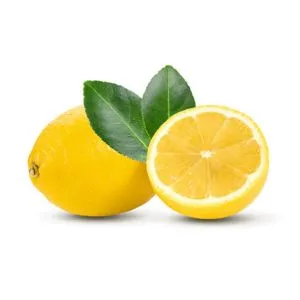
  • Lemon juice — 20 ml
  • Lemon zest — 1 thin strip
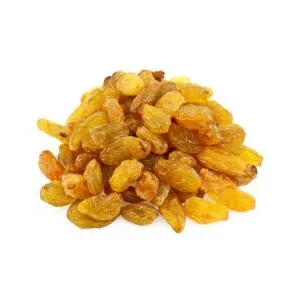
  • Golden Raisins — 10 g
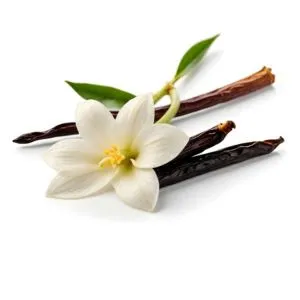
  • Vanilla — ¼ pod

Preparation

  1. Carefully sort the wild strawberries, removing any stems, leaves or damaged fruit without washing unless absolutely necessary.
  2. Place the strawberries, golden raisins, vanilla and lemon zest into a large sterilised glass jar.
  3. Pour the vodka over the ingredients, ensuring everything is completely submerged.
  4. Seal the jar and store it in a cool, dark place for 24–48 hours, gently rotating it once or twice during the infusion.
  5. Strain the infusion through a fine sieve, then filter again through cheesecloth or coffee filters until clear.
  6. Stir together the white sugar, powdered sugar, honey and lemon juice until fully dissolved, then blend into the filtered infusion.
  7. Taste and adjust sweetness only if necessary, keeping the wild strawberry flavour as the dominant character.
  8. Bottle the liqueur in sterilised glass bottles, seal well and store in a cool, dark place.
  9. Allow the liqueur to mature for at least 4 weeks before serving for the smoothest flavour and aroma.
Download

The Story

Fragalisse captures the fleeting beauty of wild strawberries hidden beneath woodland leaves, where every berry offers an intense burst of aroma despite its tiny size. Built on a clean vodka base with delicate sweetness from white sugar, powdered sugar and honey, the recipe allows the fruit to remain the true centre of attention. A touch of vanilla adds softness, golden raisins contribute gentle body, while fresh lemon brightens the vibrant berry character. The result is an elegant liqueur that celebrates the simplicity of exceptional ingredients, delivering fragrant woodland fruit, silky texture and a long, refined finish that lingers like a warm summer evening spent wandering through a quiet forest.

Who is "Fragalisse" Liqueur for?

Fragalisse is for lovers of elegant fruit liqueurs who appreciate delicate aromas over heavy sweetness. It suits slow sippers, woodland wanderers and anyone seeking a refined homemade spirit that celebrates the natural perfume of wild strawberries with subtle supporting flavours.

"Fragalisse" Liqueur Serving Suggestions

Serve Fragalisse lightly chilled in a small liqueur or tasting glass to showcase its fragrant wild strawberry bouquet. It shines as an after-dinner sip, during summer evenings or alongside light desserts, where its silky texture, floral honey notes and fresh berry character can be fully appreciated.

Why the Name "Fragalisse"?

The name Fragalisse is inspired by Fragaria, the botanical genus of strawberries, blended with a soft, elegant ending that evokes refinement and grace. It reflects the delicate nature of wild strawberries—small yet remarkably aromatic—and suggests a liqueur that is both sophisticated and memorable, capturing the quiet charm of woodland fruit in every glass.

Testing Notes

Short maceration proved essential for preserving the bright aroma of wild strawberries while avoiding bitterness from the seeds. Powdered sugar noticeably improved mouthfeel without increasing perceived sweetness, and a small amount of golden raisins added subtle body. Restrained vanilla and lemon kept the fruit vibrant rather than masking its naturally delicate character.

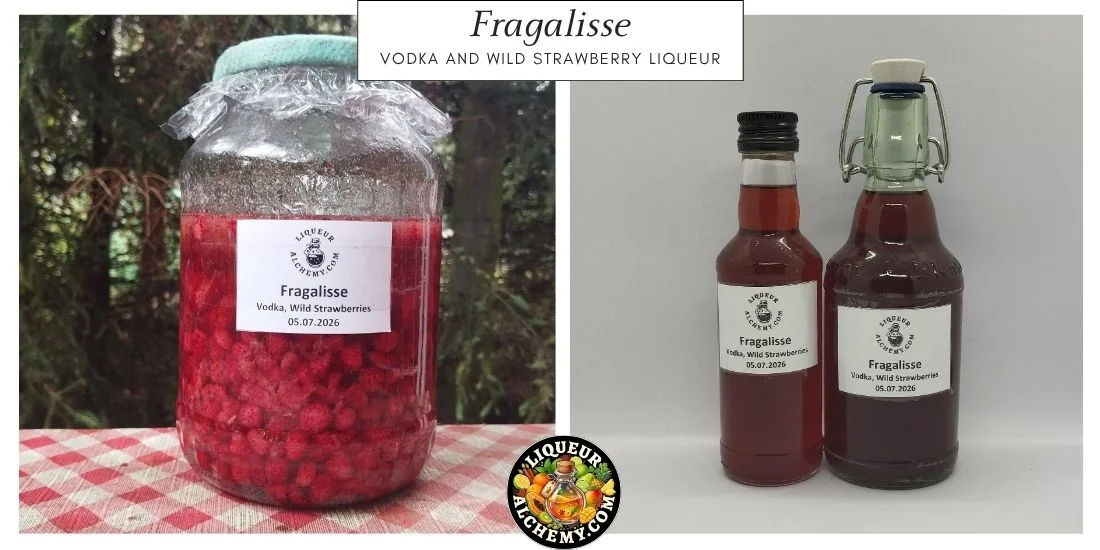
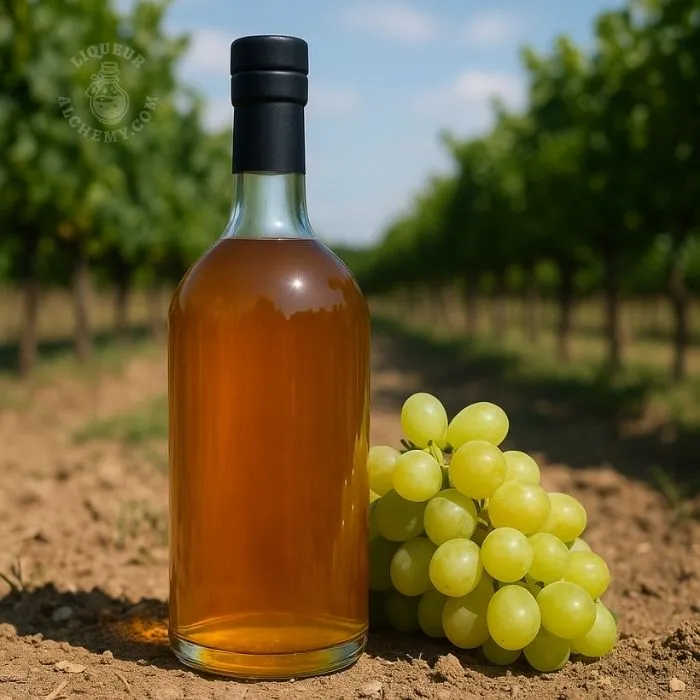
Fragalisse liqueur during maceration and finished bottled liqueur

Fragalisse Liqueur FAQ


White sugar is the safest main sweetener for a wild strawberry vodka liqueur because it gives clean sweetness without adding strong flavour of its own. Wild strawberries are aromatic but delicate, so darker sugars can quickly push the recipe toward caramel, molasses or cooked-fruit notes. If you replace white sugar, do it only partly rather than changing the whole sweetening base.

Cane sugar is the closest substitute and can usually replace white sugar directly. Coconut sugar or light muscovado can be used in very small amounts, but they should not become the main sweetener here. Powdered sugar already adds softness, while honey adds floral roundness, so the recipe does not need another heavy sweetener.

A good adjustment is to keep at least half of the white sugar and replace only 20 to 30 g with cane sugar if a warmer finish is desired. Avoid jaggery, palm sugar or maple syrup for this style, as they can mask the woodland strawberry aroma and make the liqueur taste heavier than intended.

View this Liqueur FAQ as a standalone page

Wild strawberries should be treated more gently than larger garden strawberries because their seeds and fragile flesh can release bitterness if left too long in alcohol. For this recipe, 24 to 48 hours is the best range. It is long enough for vodka to capture the intense perfume of the berries, but short enough to keep the flavour fresh, bright and clean.

Longer maceration is not always better with wild strawberries. After the first couple of days, the fruit may begin to give more seed, pulp and vegetal notes rather than more aroma. The result can become dull, slightly bitter or muddy, especially if the jar is shaken too aggressively or stored in a warm place.

Strain as soon as the infusion smells strongly of fresh woodland berries and has taken on a clear red colour. Use a fine sieve first, then filter through cheesecloth or coffee filters. Do not press the fruit too hard, as this can force sediment and seed bitterness into the finished liqueur.

Bitterness usually comes from over-extraction, damaged berries, crushed seeds or pressing the fruit too firmly during straining. Wild strawberries are small and seed-heavy, so they need a shorter infusion than many fruits. If they sit in vodka for too long, the delicate floral aroma can fade while sharper seed notes become more noticeable.

Cloudiness often comes from fruit pulp, powdered sugar that was not fully dissolved, honey added too quickly, or rough filtering. Golden raisins can also contribute fine sediment if the liqueur is shaken hard or filtered only once. None of these problems necessarily ruin the drink, but they can make it look less refined and soften the clean strawberry finish.

To prevent this, sort the fruit carefully, avoid washing unless necessary, keep the infusion short and rotate the jar gently instead of shaking. Filter in stages and allow the bottle to rest before judging clarity. If sediment forms after a few days, decant carefully or filter once more before final storage.

Sweetness should be adjusted only after the wild strawberry infusion has been strained, because the fruit aroma changes once sugar, honey and lemon juice are added. This recipe uses a layered sweetening base: white sugar for clean sweetness, powdered sugar for a softer mouthfeel, and honey for gentle floral depth. Together they should support the berries, not cover them.

If the liqueur tastes too sharp, add sweetness gradually in very small amounts. Dissolve extra sugar or honey fully before mixing it in, then let the liqueur rest for at least a day before tasting again. Freshly sweetened liqueurs often taste less integrated at first, and adding too much too soon can flatten the wild strawberry character.

If it tastes too sweet, do not add more lemon immediately. First allow the liqueur to mature, because sweetness often softens after resting. If it still feels heavy, a small amount of unsweetened vodka can restore balance, while a few extra drops of lemon juice can brighten the finish without making the drink sour.

Wild strawberry liqueur should rest for at least four weeks after bottling. This resting period allows the vodka, fruit aroma, sugars, honey, lemon and vanilla to join into a smoother whole. Immediately after mixing, the alcohol may seem sharp, the lemon may feel separate, and the sweetness may appear slightly uneven.

During maturation, the powdered sugar and honey help create a rounder texture, while the golden raisins contribute subtle body in the background. The liqueur should be stored in sealed sterilised bottles in a cool, dark place. Light and heat can dull the fresh red colour and reduce the delicate woodland aroma.

After resting, check for sediment and clarity before serving. If a fine layer has formed, decant carefully or filter again. Serve lightly chilled rather than ice-cold, because very low temperature can hide the floral strawberry notes. Proper resting gives the liqueur a cleaner finish, softer alcohol and a more elegant berry aroma.

RALETED RECIPES OF LIQUEUR ALCHEMY


Explore more creations from Liqueur Alchemy that share similar flavours, techniques, or ingredients. These related recipes offer fresh ideas and inspired combinations to help you craft your next bold, homemade spirit.