Red Currant

Red Currant for Liqueur Infusions – Flavor & Pairing Tips

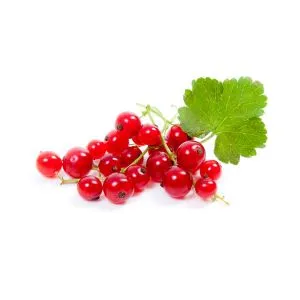
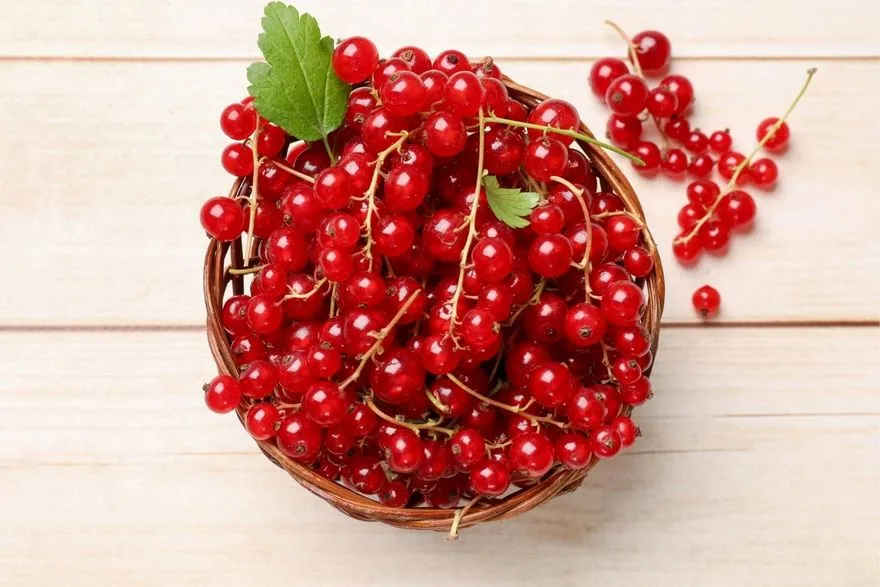
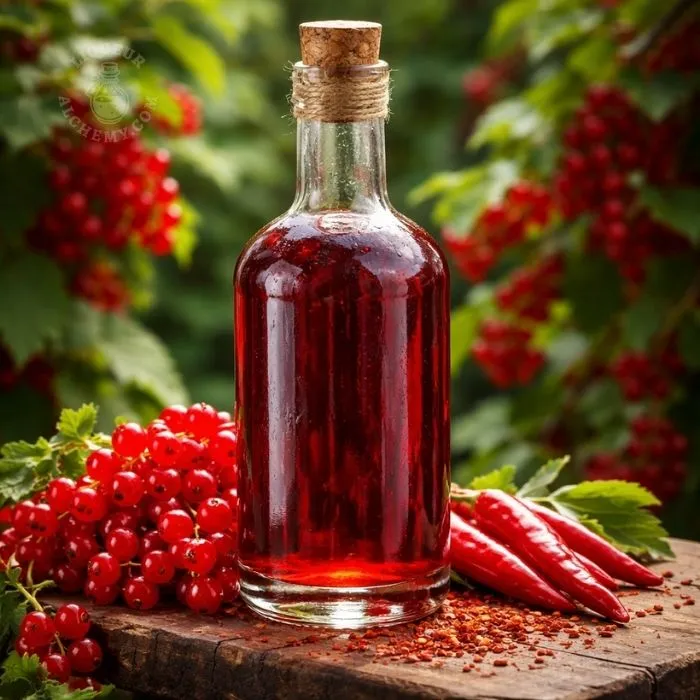
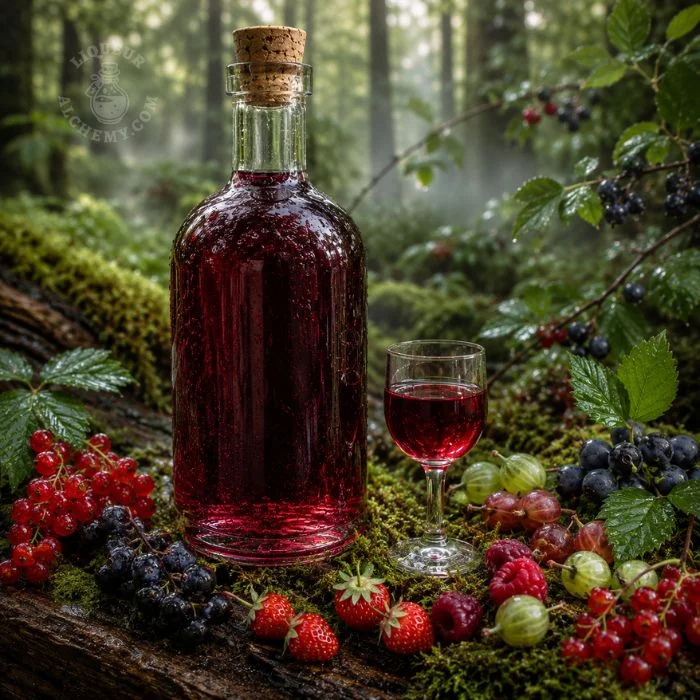
Red currants burst with juicy tartness and clear, sparkling acidity. Their vibrant red hue and crisp flavor lighten rich blends, creating balanced, elegant liqueurs full of brightness and clarity.

Red Currant

Home / Ingredients / Fruits / Red Currant

Red Currant Flavor Profile

Sharp red-berry acidity, crisp and refreshing.
Red Currant Impact on Liqueurs

Cuts sweetness and adds vibrant tang.

How to Use Red Currant?

Use fresh or frozen; 500–800 g per 1 L. Infuse 2–4 weeks in vodka.

Red Currant Pairing Suggestions

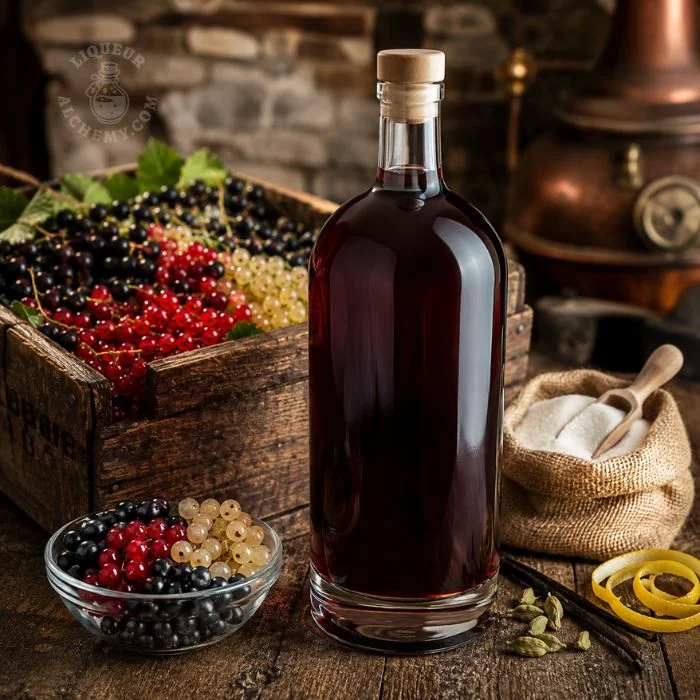
Vodka, White Sugar, Raspberry, Strawberry, Lemon Peel, Vanilla, Mint, Honey
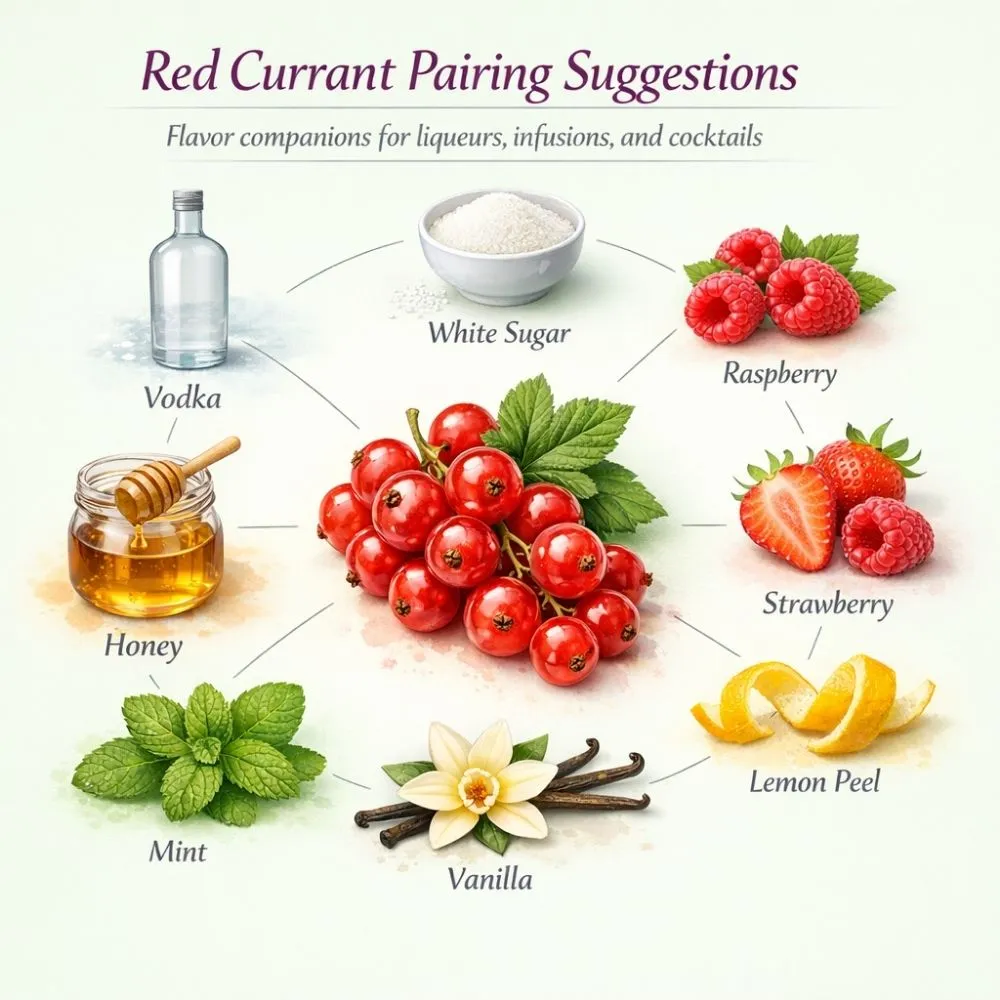
Red Currant pairing suggestions for liqueur making

Red Currant FAQ


Red currants are tart and aromatic, and they extract fairly quickly. Color can appear fast, but the best fruit flavor usually develops over about 7–14 days depending on ripeness and whether the berries were frozen.

Start tasting after day 3–5 and strain when the liqueur tastes bright and currant-forward without a drying seed/skin finish. Crushing speeds extraction but increases sediment and tannin risk.

After straining, sweeten gradually and rest at least a week. Red currant liqueur often becomes smoother and more integrated as sweetness and acidity settle into balance.

White currants are the closest substitute, usually milder and slightly less tart. Gooseberries can also mimic the bright, crisp acidity, though their aroma is different.

If you want similar tart-berry character, a blend of light berries plus a small citrus zest addition can work well. The key is to keep the profile clean and bright rather than dark and jammy.

When substituting, adjust sweetness and timing to match acidity. Red currant liqueur is defined by balance—too little sugar tastes sharp, too much turns it into candy.

Several factors influence the extraction of flavors from red currants during liqueur production. The ripeness of the fruit plays a significant role, as fully ripe currants yield more sugars and flavors. Additionally, the method of extraction, whether cold or hot, can impact the final profile of the liqueur.

The choice of alcohol also affects extraction; higher proof spirits can extract flavors more efficiently. However, using a lower proof can result in a smoother, more balanced liqueur. The duration of the infusion is another crucial factor, with longer times generally leading to stronger flavors.

Lastly, the temperature at which extraction occurs can influence the outcome. Warmer temperatures may speed up the process but can also extract unwanted bitterness, so finding the right balance is essential for achieving the desired flavor profile.

When substituting red currants, it's essential to consider the flavor profile of your replacement. For instance, if using raspberries, you may want to slightly increase the sugar content to balance their sweetness with the tartness of the liqueur. This adjustment can ensure a harmonious flavor.

If you're opting for cranberries, keep in mind their higher tartness. You might need to add more sweetener or a touch of honey to create a well-rounded taste. Experimenting with the proportions can help you achieve the desired flavor.

Lastly, when using pomegranate, adjust the liquid content accordingly. Pomegranate juice is less thick than currant juice, so you may need to reduce other liquids in your recipe to maintain the right consistency for your liqueur.

The amount of red currants to use can vary based on the recipe and your taste preferences. A general guideline is to use about 500 grams of fresh red currants for every liter of alcohol. This ratio provides a balanced flavor profile.

If you prefer a more pronounced tartness, consider increasing the quantity to 750 grams per liter. Conversely, if you want a subtler taste, you can reduce it to 300 grams. Always remember that the quality of the fruit will significantly impact the final product.

It's advisable to experiment with different amounts in small batches. This way, you can find the perfect balance that suits your palate before committing to larger quantities in future liqueur batches.
Red Currant
Red Currant in Liqueur Crafting

More Fruits


RELATED RECIPES OF LIQUEUR ALCHEMY


Explore more creations from Liqueur Alchemy that share similar flavours, techniques, or ingredients. These related recipes offer fresh ideas and inspired combinations to help you craft your next bold, homemade spirit.

LIQUEUR ALCHEMY TOOLS & RESOURCES


Design labels in minutes—beautiful, practical, and ready to print. Choose a tool below to generate bottle or ingredient labels that match your Liqueur Alchemy workflow.
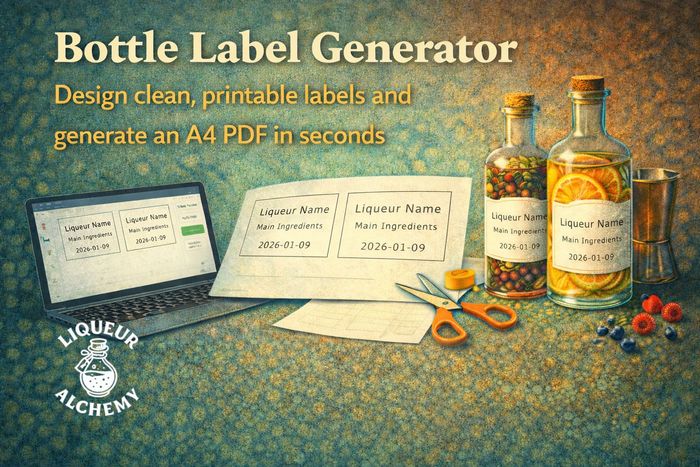
Bottle Label Generator preview

Bottle Label Generator

Create clean bottle labels with your liqueur name, batch details, date — ready for printing and gifting.
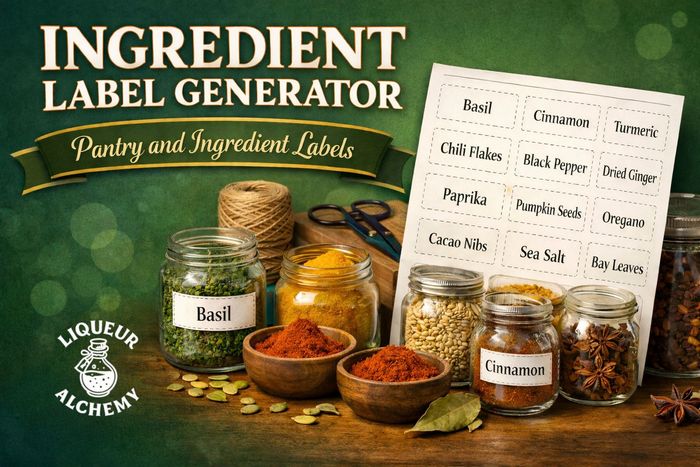
Ingredient Label Generator preview

Ingredient Label Generator

Label jars, containers, and storage bags to maintain clear organization from preparation through infusion and serving.
Ingredient pairing cheat sheet for creating balanced homemade liqueurs

Ingredient Pairing Cheat Sheet

Discover flavor combinations that create balanced, complex, and unique homemade liqueurs.