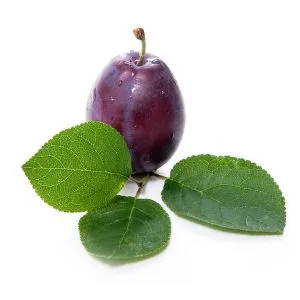
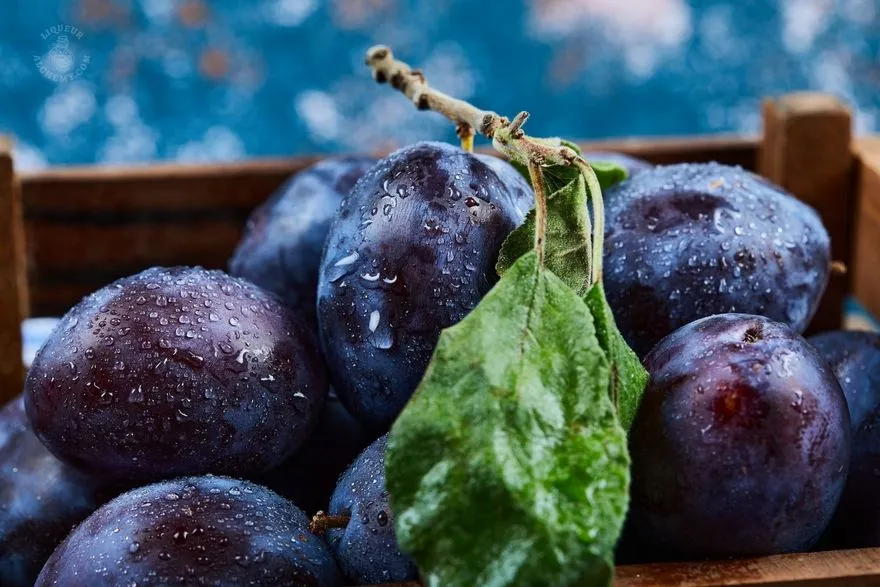
Plum (Prune)

Plum (Prune) for Liqueur Infusions – Flavor & Pairing Tips

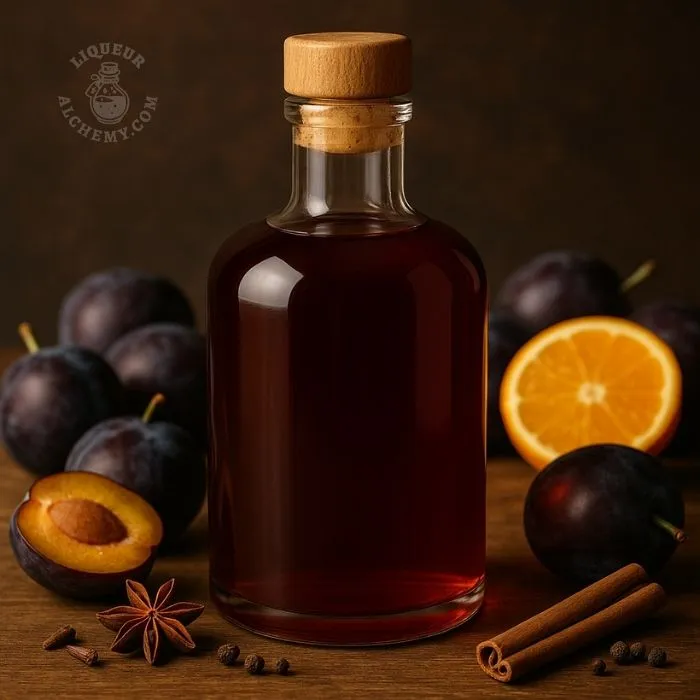
Purple plums bring soft sweetness and a hint of tartness, reminiscent of late summer. Their rich color and smooth flavor enhance warm spices and honeyed notes, lending balance and rounded texture to liqueurs.

Plum (Prune)

Home / Ingredients / Fruits / Plum (Prune)

Plum (Prune) Flavor Profile

Dark dried-plum sweetness, caramel depth, mild smokiness.

Plum (Prune) Impact on Liqueurs

Creates deep, wintery richness and body.

How to Use Plum (Prune)?

Use whole or chopped prunes; 250–400 g per 1 L. Infuse 4–8 weeks in brandy or rum.

Plum (Prune) Pairing Suggestions

Brandy, Brown Sugar, Cinnamon, Clove, Vanilla, Orange Peel, Almond, Nutmeg
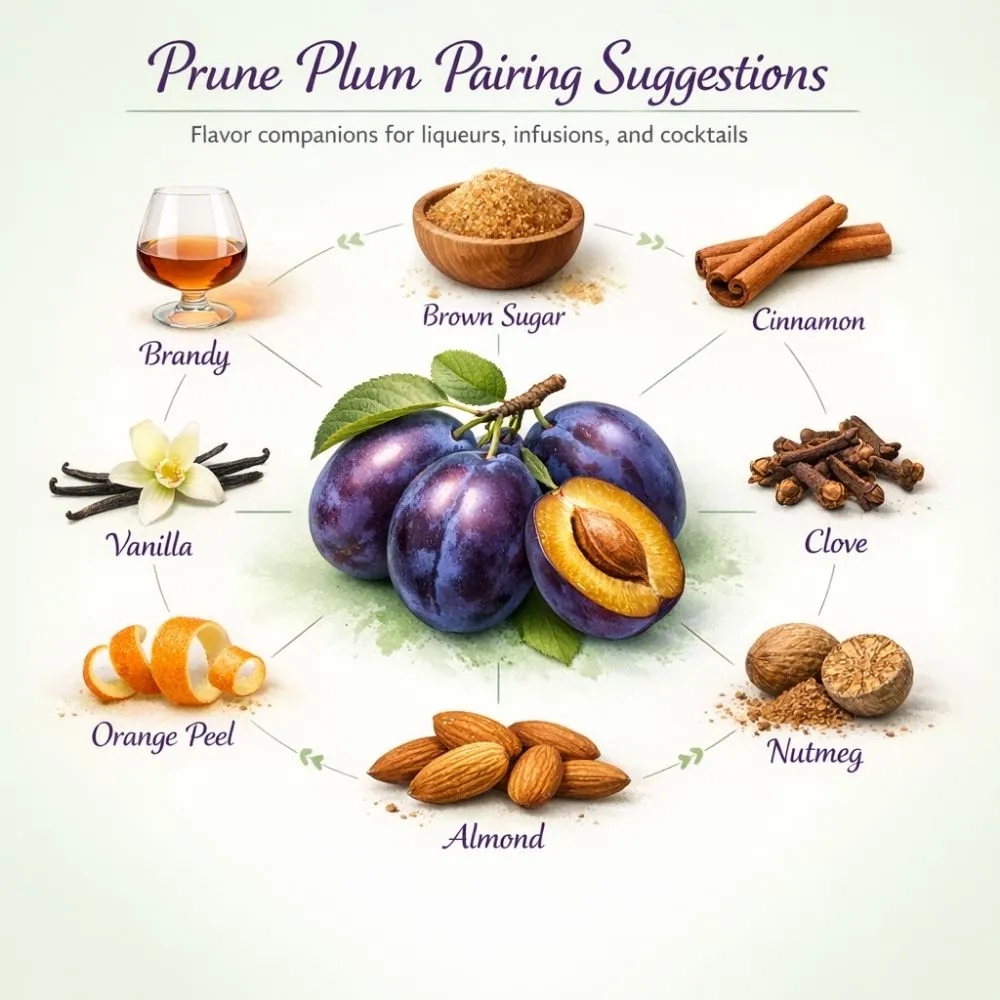
Plum (Prune) pairing suggestions for liqueur making

Plum (Prune) FAQ


The extraction behavior of plums significantly influences the flavor profiles of liqueurs. When infused, plums release their natural sugars and rich, fruity flavors, creating a sweet and complex base. This process enhances the overall taste, making the liqueur more aromatic and enjoyable.

The extraction process can vary depending on the type of plum used, as different varieties have unique flavor characteristics. For instance, prunes, which are dried plums, may impart deeper, richer flavors compared to fresh plums. This difference can lead to a more intense liqueur that showcases the essence of the fruit.

Additionally, the extraction time and method play crucial roles in flavor development. A longer infusion time can result in a more robust flavor, while a shorter infusion may yield a lighter, more delicate taste. Experimenting with these variables can help craft the perfect plum liqueur tailored to individual preferences.

If you're looking for a substitute for plums in your liqueur, consider using apricots. They have a similar sweetness and tartness, which can help maintain the flavor profile of your liqueur. Dried apricots can work particularly well if you're aiming for a concentrated flavor.

Another excellent option is cherries, especially if you're using fresh or frozen varieties. Cherries can add a delightful sweetness and a hint of tartness, making them a versatile alternative. Just be sure to adjust the sugar levels in your recipe accordingly.

If you prefer a more exotic flavor, try using mangoes. Their rich sweetness and tropical notes can create a unique liqueur that stands out. Keep in mind that mangoes will impart a different flavor, so it’s best to experiment with small batches first.

The ideal timing for adding plums to your liqueur is during the maceration phase. This is when the plums can infuse their flavors into the alcohol effectively. Typically, this phase lasts between one to four weeks, depending on your desired flavor intensity.

For a more robust flavor, consider adding the plums at the beginning of the maceration process. If you prefer a subtler taste, you can add them halfway through. Monitor the infusion closely to achieve the perfect balance.

After the maceration period, strain the mixture to remove the plums. This will leave you with a smooth liqueur that showcases the rich, sweet notes of the fruit without any unwanted texture.

One common mistake is not properly preparing the plums before use. It's essential to wash and pit them thoroughly to avoid bitterness in the final product. Leaving skins on can also introduce unwanted flavors.

Another mistake is using overly ripe or spoiled plums. While ripe fruit can add sweetness, overripe or damaged plums can lead to off-flavors and spoilage during the infusion process. Always select fresh, high-quality fruit.

Lastly, some makers underestimate the infusion time. Plums require adequate time to release their flavor, so rushing this step can result in a weak and unbalanced liqueur. Patience is key for a successful infusion.

Plums should be stored in a cool, dark place to maintain their freshness. If you have ripe plums, it's best to refrigerate them to slow down the ripening process. Make sure to keep them in a breathable container to avoid moisture buildup.

For longer storage, consider freezing the plums. Wash and pit them before placing them in airtight containers or freezer bags. This method preserves their flavor and makes them convenient for liqueur preparation later on.

Always check for any signs of spoilage before using plums in your liqueur. Discard any that are overripe or have mold, as they can negatively affect the quality of your final product.
Plum (Prune)
Plum (Prune) in Liqueur Crafting

More Fruits


RELATED RECIPES OF LIQUEUR ALCHEMY


Explore more creations from Liqueur Alchemy that share similar flavours, techniques, or ingredients. These related recipes offer fresh ideas and inspired combinations to help you craft your next bold, homemade spirit.

LIQUEUR ALCHEMY TOOLS & RESOURCES


Design labels in minutes—beautiful, practical, and ready to print. Choose a tool below to generate bottle or ingredient labels that match your Liqueur Alchemy workflow.
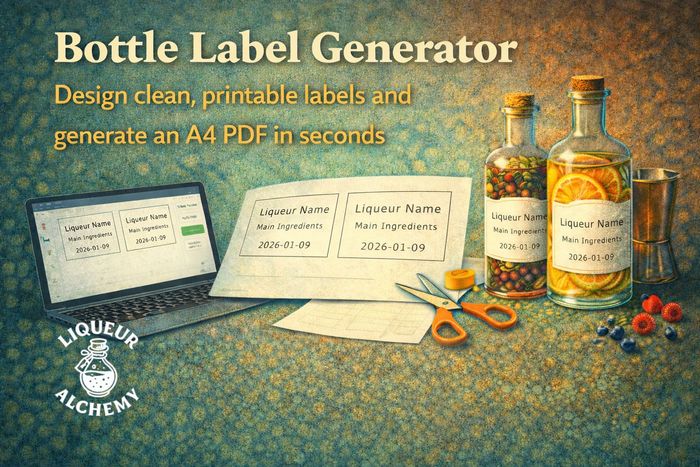
Bottle Label Generator preview

Bottle Label Generator

Create clean bottle labels with your liqueur name, batch details, date — ready for printing and gifting.
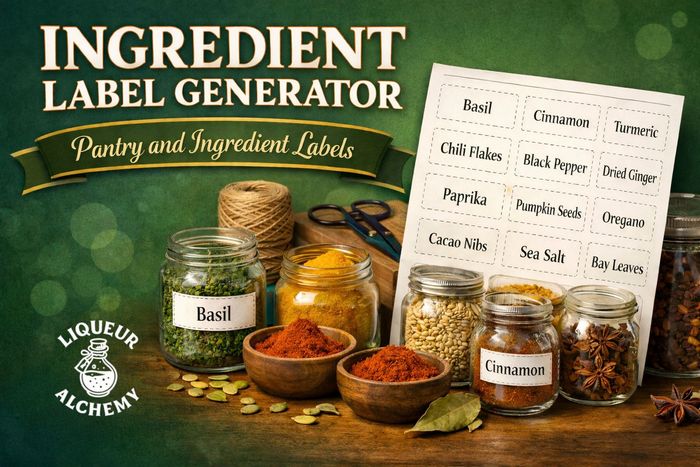
Ingredient Label Generator preview

Ingredient Label Generator

Label jars, containers, and storage bags to maintain clear organization from preparation through infusion and serving.

Ingredient pairing cheat sheet for creating balanced homemade liqueurs

Ingredient Pairing Cheat Sheet

Discover flavor combinations that create balanced, complex, and unique homemade liqueurs.