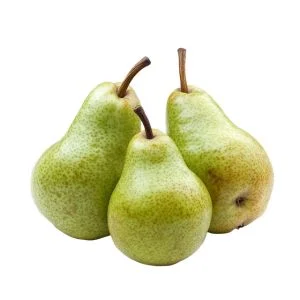
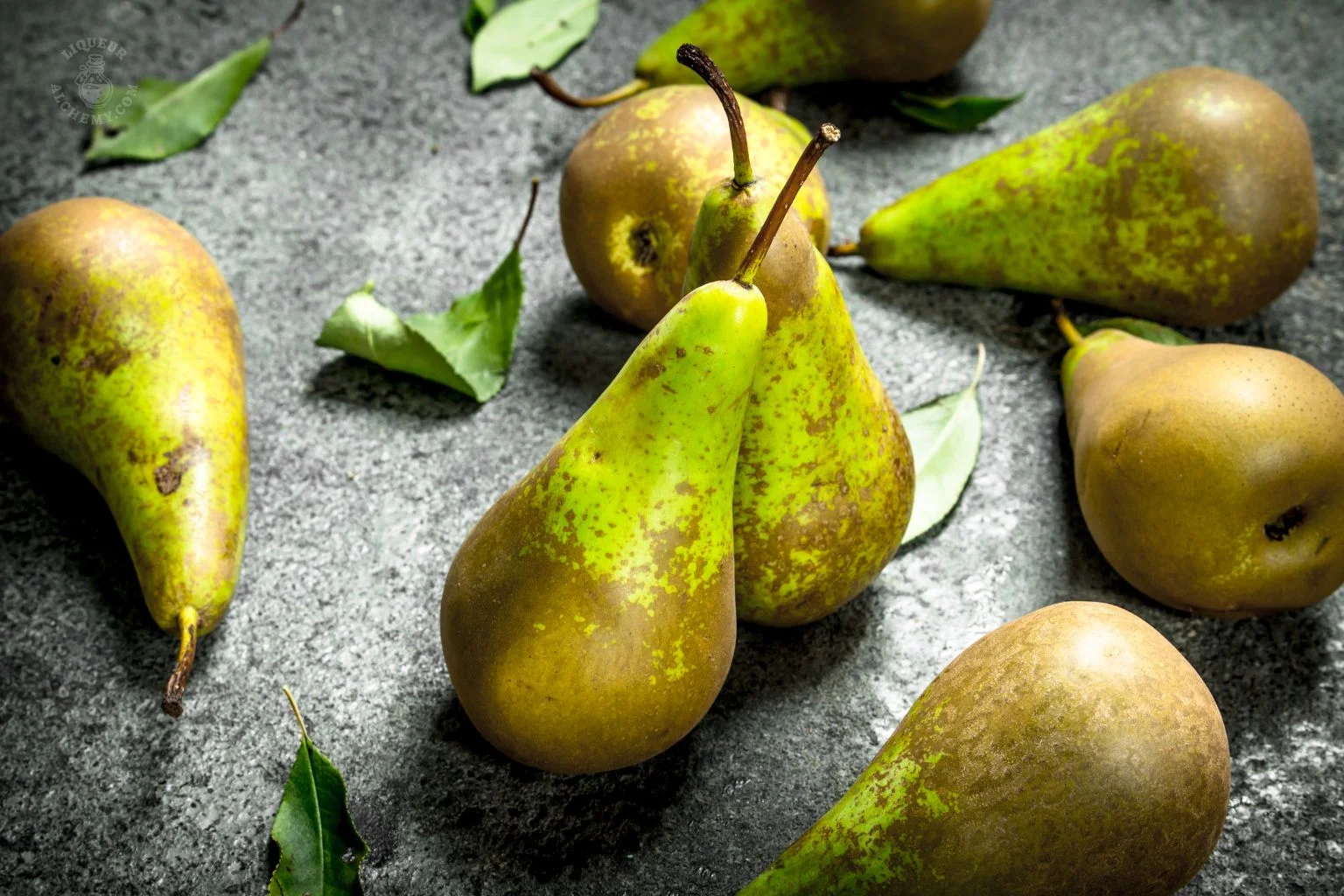
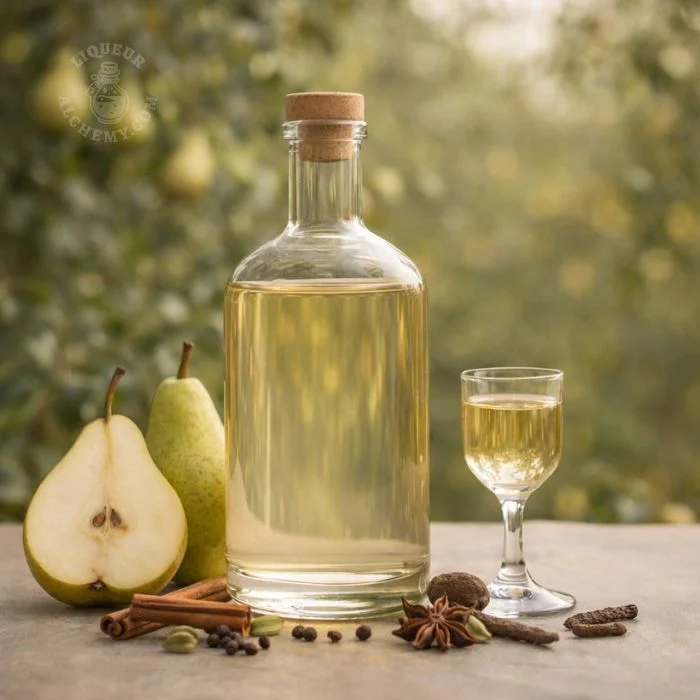
Pear (Conference)

Conference Pear in Liqueur Making: Soft Sweetness and Elegance

Conference pear is valued in liqueur making for its mellow sweetness, delicate floral-fruit aroma, and smooth, juicy character. It creates gentler infusions than sharper pears, making it ideal for elegant homemade liqueurs with a soft, rounded profile. In recipes, it adds body, subtle freshness, and natural orchard depth while blending especially well with warm spices, vanilla, citrus, honey, and brandy. Its balanced character helps build refined, comforting, and aromatic fruit liqueurs.

Pear (Conference)

Home / Ingredients / Fruits / Pear (Conference)

Pear (Conference) Flavor Profile

Soft, juicy, sweet, floral, mildly honeyed, and smooth with gentle orchard freshness and low acidity.
Pear (Conference) Impact on Liqueurs

Adds body, smoothness, natural sweetness, and elegant fruit depth, helping liqueurs feel rounded and refined.

How to Use Pear (Conference)?

Use ripe but still firm pears, remove seeds and core, and slice evenly for clean extraction. Conference pear works best with warming spices, vanilla, citrus, and honey, and should not be over-infused if you want to keep the flavor fresh and delicate.

Pear (Conference) Pairing Suggestions

Vodka, Brandy, Calvados, Cane Sugar, Honey, Cinnamon, Vanilla, Lemon Zest, Ginger, Apple
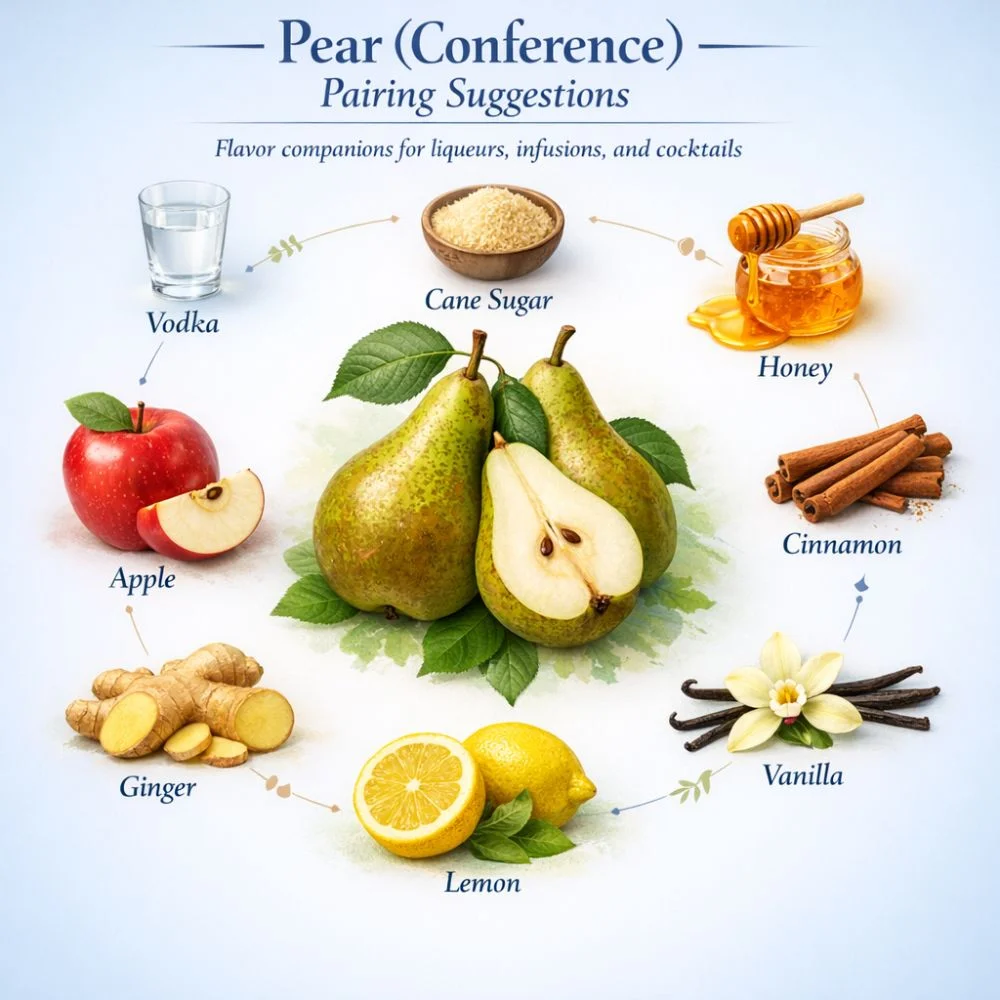
Pear (Conference) pairing suggestions for liqueur making

Pear (Conference) FAQ


Conference pear extracts in alcohol in a softer and gentler way than firmer or more acidic pear varieties. It has a naturally mellow sweetness, low sharpness, and a smooth orchard aroma, so the infusion tends to develop with rounded fruit notes rather than bright tension. Compared with harder pears, it usually gives less aggressive structure and less cutting freshness, but more softness and comfort. In liqueur making, that means the alcohol often picks up a clean pear scent and sweet fruit impression before it develops much bite or crispness.

Firmer pears often release flavor more slowly but may hold more definition in long infusions because they start with stronger texture and sometimes higher acidity. More acidic pears can give a livelier and sharper result, which is useful when you want the fruit to stand out clearly against sugar or spice. Conference pear behaves differently. It is more about elegance than force. The result can be very pleasing, but it may need support from lemon zest, vanilla, ginger, or a carefully chosen spirit to stop the liqueur from feeling too quiet.

For homemade liqueurs, this makes Conference pear ideal when you want a rounded, aromatic, easy-drinking style. It is less suited to recipes that depend on natural sharpness or strong fruit tension. If handled well, it gives an infusion that feels refined and mellow, but it benefits from good timing and thoughtful balancing ingredients so its delicacy does not disappear into sweetness.

Several fruits can replace Conference pear in liqueur making if you want to keep a similarly soft, mellow, and approachable profile. Other dessert pears are the closest substitutes, especially varieties that are juicy, mildly sweet, and not overly sharp. Williams, Comice, or ripe Packham pears can all work depending on what is available. Each will shift the result slightly, but they share the smooth orchard character and gentle fruit body that make Conference pear so useful in easy-drinking, elegant liqueurs.

Apples can also work, although they usually change the profile more noticeably. Sweet, aromatic apples such as Jonagold or Gala can mimic some of the same rounded fruit softness, especially when the recipe includes vanilla, honey, or warming spices. Quince is another possibility if you want a more perfumed substitute, though it is firmer, more intense, and less naturally soft in flavor. White peaches or ripe melon can sometimes replace the gentle sweetness, but they move the liqueur away from orchard fruit and toward a more delicate summer style.

The best substitute depends on what role Conference pear plays in the recipe. If you need softness and body, other dessert pears are best. If you need mellow fruit support for spices or citrus, sweet apples can work very well. What matters most is preserving the restrained, rounded feeling of the liqueur. Conference pear is not about sharpness or dramatic acidity, so the best replacements are fruits that stay smooth, fragrant, and balanced rather than loud or overly tart.

Conference pear usually benefits from a moderate infusion window rather than a very long one. A practical starting range is around one to three weeks, depending on how ripe the fruit is, how large the slices are, and how strong the alcohol base is. Because Conference pear is soft and aromatic rather than sharply intense, its pleasant fruit notes can come through fairly early. The goal is to capture the fresh, juicy, mellow pear character before the infusion drifts into something flatter or more stewed.

Longer is not always better. If Conference pear sits in alcohol too long, especially in thin slices or partially crushed form, the brightest part of its aroma may fade. What remains can still be fruity, but less lively and more cooked in character. This is one reason tasting matters. Start checking the infusion regularly once clear pear aroma appears. Neutral spirits often reveal the fruit more directly, while brandy or other characterful bases may need a little more time for the flavors to settle into each other.

For most homemade pear liqueurs, full flavor does not require pushing extraction to the limit. Once the spirit smells distinctly of pear and carries enough body on the palate, strain it and sweeten with care. Resting after sweetening often rounds the liqueur further, so the infusion itself can stop slightly earlier than you might expect. Conference pear is at its best when it feels fresh, smooth, and elegant rather than heavily extracted.

Pear liqueur often tastes weak or diluted because pear is a subtle fruit that does not naturally impose itself on alcohol in the same way as citrus, berries, or strong spices. Conference pear in particular is gentle, smooth, and low in sharpness, so if the recipe relies on the fruit alone without enough quantity, careful timing, or supporting ingredients, the final liqueur can seem quiet. Even when the infusion smells pleasant, the palate may still feel thin if the fruit concentration is too low for the amount of spirit used.

Weakness can also come from formulation choices after infusion. Too much dilution from syrup, added water, or a low fruit-to-spirit ratio can blur the pear further. Strong spirit bases with lots of character may dominate the fruit instead of carrying it. Filtering after over-crushing can remove not just sediment but also some of the impression of body, leaving the liqueur clearer but less expressive. In some cases the pear was infused long enough, but the sweetness level was not adjusted properly, so the fruit never gains enough roundness to feel present and complete.

The solution is usually to strengthen structure rather than simply extend time. Use enough fruit, slice it evenly, and consider pairing Conference pear with vanilla, lemon zest, ginger, or a touch of spice to reinforce its identity. Taste during infusion and stop while the fruit still feels fresh. Then sweeten carefully. Pear liqueur is often best when built thoughtfully rather than aggressively. It needs support, not force, to avoid tasting thin.

Conference pear brings a flavor profile that is soft, juicy, mellow, and gently floral, with a sweet orchard character that feels comforting rather than dramatic. It does not usually deliver sharp brightness or intense acidity, so the main impression is one of smooth fruit body and quiet elegance. In homemade liqueurs, this can be very attractive because the pear tends to create a rounded and accessible sip. Instead of pushing the palate forward aggressively, it broadens it in a calm, polished way.

Its subtler nature also means the surrounding ingredients matter a great deal. Conference pear pairs especially well with vanilla, honey, cinnamon, ginger, lemon zest, and light orchard fruits because these ingredients either reinforce its softness or add gentle contrast. In a neutral spirit, the fruit can feel clean and direct. In brandy or calvados, it can seem warmer, deeper, and more luxurious. Either way, the flavor profile stays centered on ripe pear flesh rather than tartness or spice. This makes it useful for liqueurs meant to feel smooth and elegant.

Conference pear is therefore less about punch and more about texture, aroma, and refinement. It adds body without heaviness and sweetness without a sugary feel when handled well. In homemade liqueurs, it contributes softness and orchard depth that can become beautifully expressive once balanced with the right spirit, sweetener, and supporting notes.
Pear (Conference)
Pear (Conference) in Liqueur Crafting

More Fruits


LIQUEUR ALCHEMY TOOLS & RESOURCES


Design labels in minutes—beautiful, practical, and ready to print. Choose a tool below to generate bottle or ingredient labels that match your Liqueur Alchemy workflow.
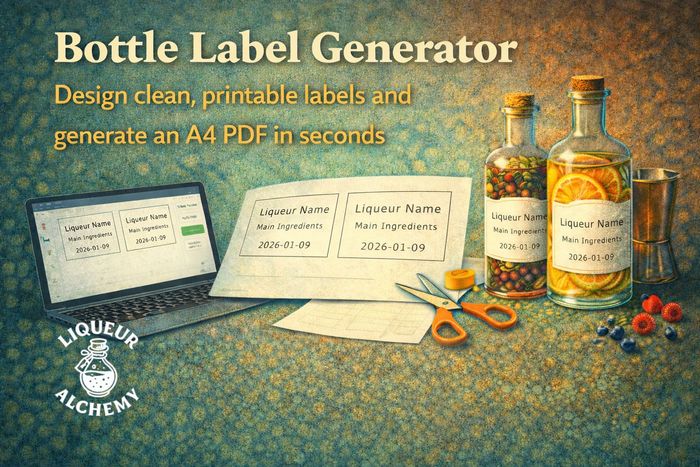
Bottle Label Generator preview

Bottle Label Generator

Create clean bottle labels with your liqueur name, batch details, date — ready for printing and gifting.
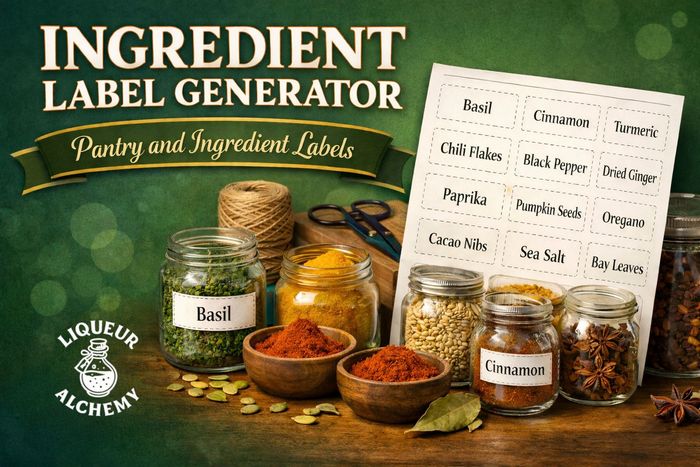
Ingredient Label Generator preview

Ingredient Label Generator

Label jars, containers, and storage bags to maintain clear organization from preparation through infusion and serving.
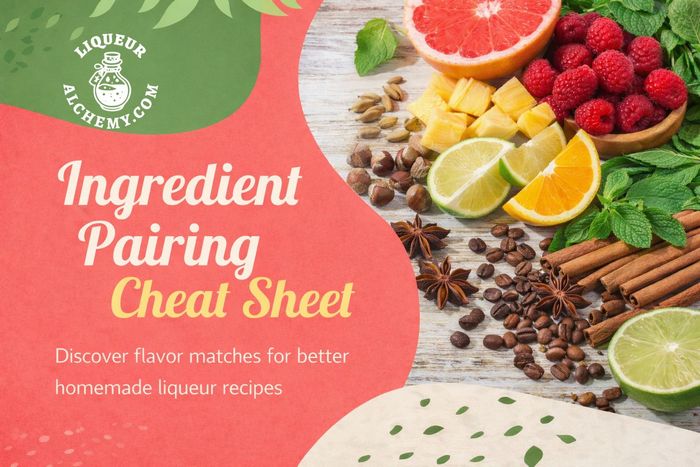
Ingredient pairing cheat sheet for creating balanced homemade liqueurs

Ingredient Pairing Cheat Sheet

Discover flavor combinations that create balanced, complex, and unique homemade liqueurs.