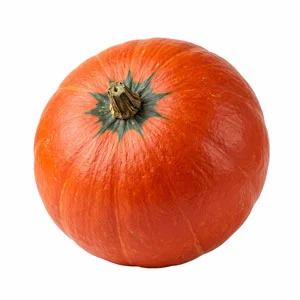
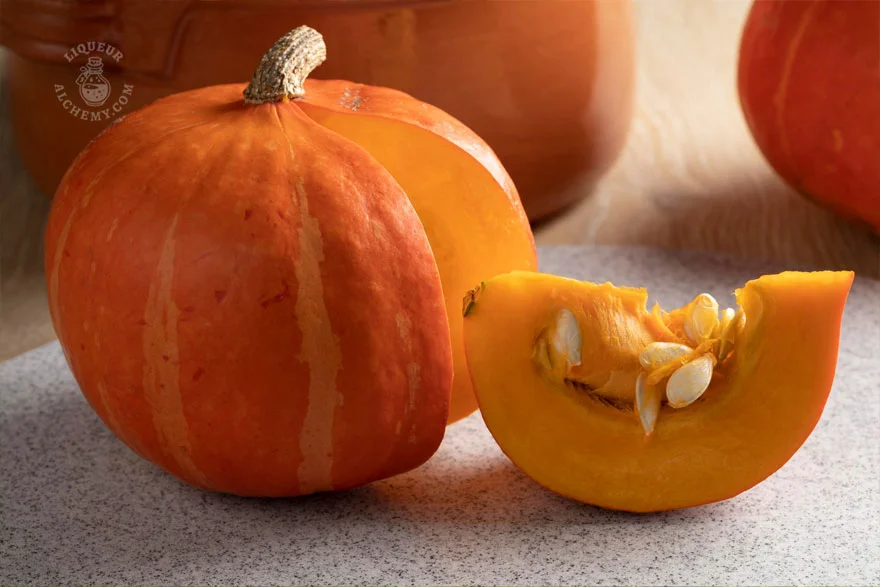
Pumpkin (Hokkaido)

Hokkaido Pumpkin for Rich, Warming and Silky Homemade Liqueurs

Hokkaido pumpkin brings mellow sweetness, earthy squash notes and a warm autumn character to homemade liqueurs. Its dense orange flesh contributes golden-orange colour and a soft, rounded impression rather than strong acidity or tannin. Roasting can deepen caramel and nutty flavours before infusion, while raw pumpkin gives a fresher vegetal profile. It works especially well with vodka, brandy, honey and warming spices, creating smooth dessert-style liqueurs with rich seasonal depth.

Pumpkin (Hokkaido)

Home / Ingredients / Vegetables / Pumpkin (Hokkaido)

Pumpkin (Hokkaido) Flavor Profile

Mellow, earthy and gently sweet, with nutty squash notes, soft vegetal character and a rich autumnal finish.

Pumpkin (Hokkaido) Impact on Liqueurs

Adds warm golden-orange colour, mellow pumpkin sweetness, earthy depth and a fuller, smoother impression that pairs naturally with warming spices.

How to Use Pumpkin (Hokkaido)?

Use ripe, firm Hokkaido pumpkin with the seeds and fibrous centre removed. The edible skin may be retained when clean, although peeled flesh gives a smoother flavour. Cut into small cubes for good alcohol contact. For deeper caramel and nutty notes, lightly roast and cool completely before infusing. Pumpkin is relatively subtle, so avoid overwhelming it with excessive spice. Taste regularly during maceration and strain thoroughly before sweetening and resting.

Pumpkin (Hokkaido) Pairing Suggestions

Vodka, Honey, Vanilla, Cinnamon, Ginger, Orange, Nutmeg, Saffron, Cloves
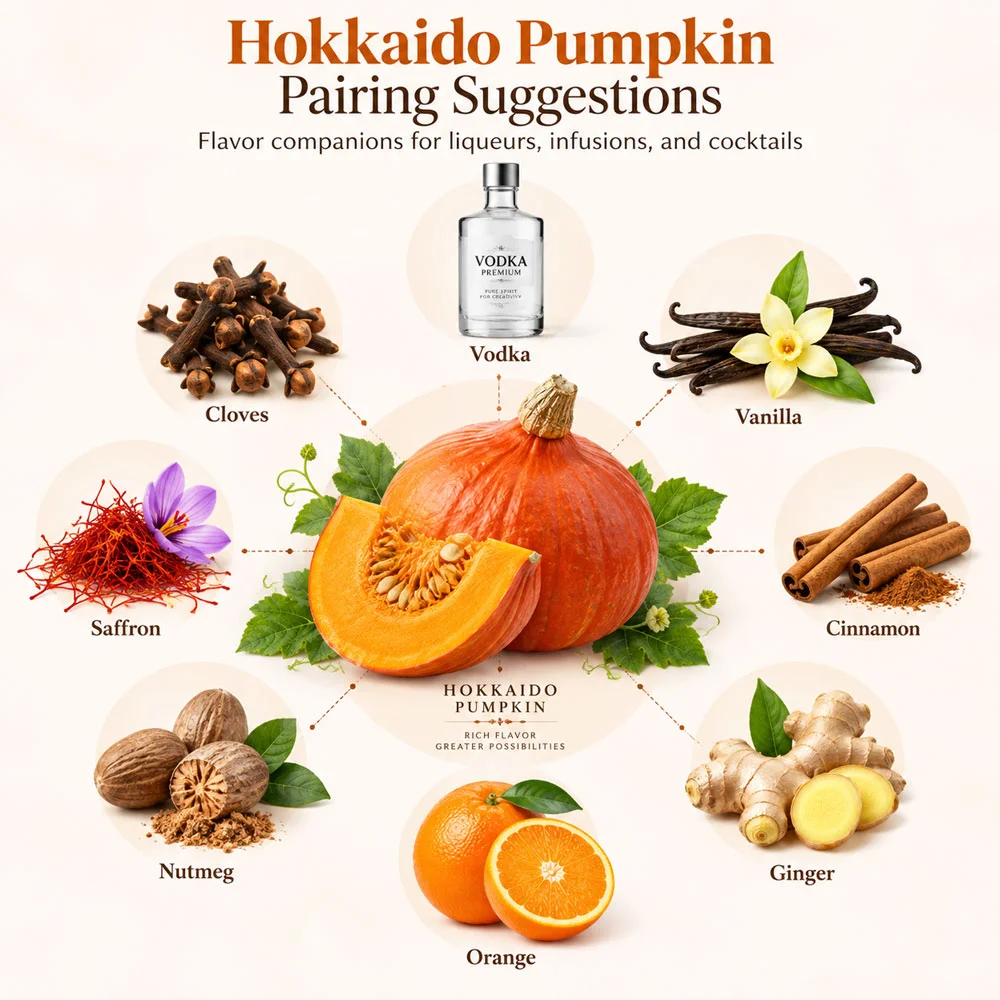
Pumpkin (Hokkaido) pairing suggestions for liqueur making

Pumpkin (Hokkaido) FAQ


Roasting Hokkaido pumpkin before infusion changes both the flavour available for extraction and the character of the finished liqueur. Heat reduces some of the fresh, vegetal qualities of raw pumpkin while encouraging sweeter, nuttier and lightly caramelised flavours. It also removes part of the water from the flesh, concentrating its flavour. When the cooled roasted pieces are covered with alcohol, these developed aromas can produce a warmer, richer infusion than raw pumpkin.

For liqueur making, roast pumpkin only until tender and lightly browned rather than deeply charred. Excessive browning can introduce burnt, smoky or bitter notes that become more obvious after several weeks in alcohol. Allow the pumpkin to cool completely before placing it in the infusion jar. Warm pumpkin can create condensation and unnecessary moisture, while very soft or mashed pumpkin makes later clarification considerably more difficult.

Roasted pumpkin works particularly well when the intended liqueur has an autumn or dessert-style profile with vanilla, cinnamon, ginger, orange, nutmeg or honey. Raw pumpkin is better when a fresher and more delicate squash character is wanted. Because roasting intensifies flavour, taste the infusion regularly rather than assuming it requires the same maceration time as raw pumpkin. Strain when the pumpkin character is clearly present but before cooked or earthy notes begin to dominate.

The best substitutes for Hokkaido pumpkin are dense, sweet winter squashes with orange flesh. Butternut squash is usually the easiest replacement because it has a similarly mellow sweetness and develops pleasant nutty notes when roasted. Kabocha squash is another strong choice, offering dense flesh, natural sweetness and a slightly chestnut-like character. Other culinary pumpkins can work, provided their flesh is flavourful rather than watery or strongly fibrous.

A substitute will not reproduce Hokkaido pumpkin exactly, so consider what the pumpkin contributes to the recipe. If the goal is colour and gentle sweetness, choose a deep-orange squash. If the recipe depends on roasted, nutty depth, kabocha or butternut is especially suitable. Watery carving pumpkins are less desirable because their weak flavour can become diluted further in alcohol and they may contribute more moisture without providing enough aromatic intensity.

Start with approximately the same weight of substitute squash as the Hokkaido pumpkin specified in the recipe, but treat that amount as a starting point rather than a strict equivalence. Roast a small piece first and taste it before committing the whole batch. Sweeter substitutes may require less sugar or honey at finishing, while mild varieties may need a larger quantity or slightly longer infusion. Adjust sweetness only after straining so the natural squash character can be assessed accurately.

Hokkaido pumpkin generally benefits from a moderate infusion rather than very long maceration. Around two to four weeks in vodka is a useful starting range when the pumpkin has been cut into small cubes. Roasted pumpkin may reveal its desired flavour sooner because heating concentrates sweetness and creates more pronounced nutty and caramelised notes. Raw pumpkin can remain fresher and more vegetal, and its flavour may develop more gradually.

Begin tasting after about one week and continue every few days. The ideal stopping point is when the vodka has a recognisable pumpkin character, warm orange colour and enough earthy sweetness to remain noticeable after later sweetening. There is little advantage in leaving pumpkin indefinitely once extraction has reached the desired level. Prolonged contact with softened vegetable matter can increase earthy, cooked or stale flavours and release more fine solids into the liquid.

Infusion time also depends on piece size, preparation, alcohol strength and accompanying ingredients. Spices often extract faster than pumpkin, so cinnamon, cloves, nutmeg or ginger may need to be removed separately before the pumpkin is ready. Once the desired flavour is achieved, strain promptly through a fine sieve and then filter more carefully if necessary. Let the strained infusion settle before adding sugar or honey, because resting makes it easier to judge both clarity and flavour intensity.

An overly vegetal pumpkin liqueur usually results from using raw pumpkin for too long, choosing underripe or watery flesh, or allowing the infusion to extract more earthy plant character than desirable. Hokkaido pumpkin should be mature, firm and strongly coloured. Light roasting can reduce raw squash notes while developing sweeter, nuttier aromas, making it particularly useful when previous batches have tasted more like vegetables than an autumn liqueur.

Another common mistake is trying to strengthen a weak pumpkin infusion simply by extending maceration for many weeks. Once the pleasant flavours have been extracted, extra time may emphasise dull, earthy or cooked notes rather than desirable pumpkin sweetness. Excess skin can also contribute a more rustic character. Taste regularly and strain when the balance is attractive. Using smaller cubes improves extraction, but pureeing the pumpkin releases excessive solids and makes the final drink harder to clarify.

Balance matters after straining as well. A modest amount of honey or sugar can round the earthy character, while vanilla, orange zest, ginger and restrained cinnamon can make the pumpkin seem warmer and sweeter without disguising it. Avoid correcting vegetal flavour with large quantities of cloves, nutmeg or other powerful spices because this can replace one imbalance with another. If a batch is already too vegetal, blending with a cleaner neutral infusion and then adjusting sweetness may produce a better result.

Hokkaido pumpkin gives liqueurs an impression of gentle sweetness even before much sugar is added. Its flavour is mellow, earthy and slightly nutty, with dense orange flesh that suggests richness rather than sharp acidity. Because pumpkin lacks the bright acid structure of fruits such as lemon, sour cherry or quince, an infusion can seem soft and rounded. Roasting strengthens this effect by developing caramelised and toasted flavours associated with sweeter foods.

The pumpkin itself does not replace the role of a sweetening syrup, but its flavour can make a given amount of sugar or honey seem more integrated and dessert-like. For this reason, sweetener should be added gradually after the pumpkin has been strained. Heavy sweetening too early can flatten the subtle squash character and make it difficult to determine whether the infusion has enough pumpkin flavour. Honey can add further body but also contributes its own aroma and possible haze.

In terms of texture, a properly filtered pumpkin infusion should not literally be thick or creamy, yet its warm flavour profile can create a fuller sensory impression. Excess starch or suspended pumpkin solids may create actual heaviness, but this is generally undesirable and should be removed by settling and filtration. Orange zest, ginger or a small amount of citrus can provide contrast if the finished liqueur feels too soft, while vanilla and cinnamon reinforce its rounded dessert character.
Pumpkin (Hokkaido)
Pumpkin (Hokkaido) in Liqueur Crafting

More Vegetables


LIQUEUR ALCHEMY TOOLS & RESOURCES


Design labels in minutes—beautiful, practical, and ready to print. Choose a tool below to generate bottle or ingredient labels that match your Liqueur Alchemy workflow.
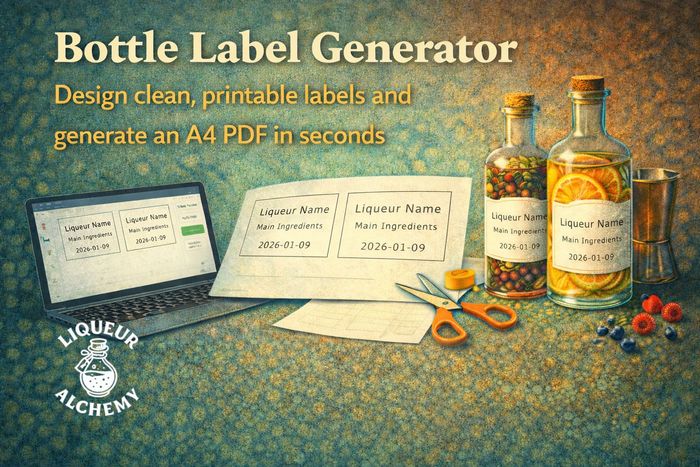
Bottle Label Generator preview

Bottle Label Generator

Create clean bottle labels with your liqueur name, batch details, date — ready for printing and gifting.
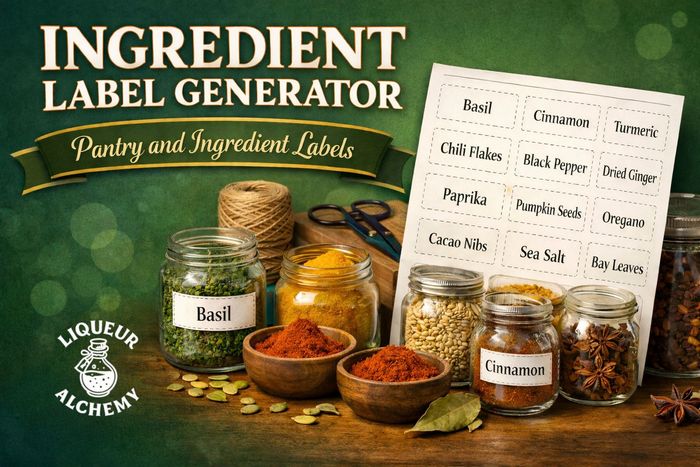
Ingredient Label Generator preview

Ingredient Label Generator

Label jars, containers, and storage bags to maintain clear organization from preparation through infusion and serving.
Ingredient pairing cheat sheet for creating balanced homemade liqueurs

Ingredient Pairing Cheat Sheet

Discover flavor combinations that create balanced, complex, and unique homemade liqueurs.