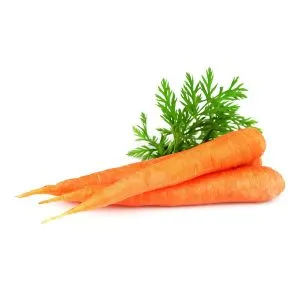
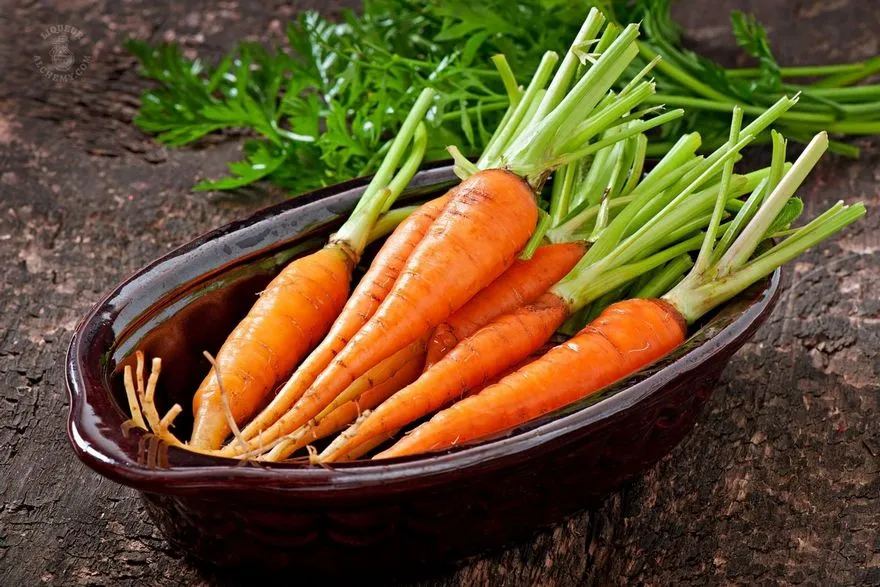
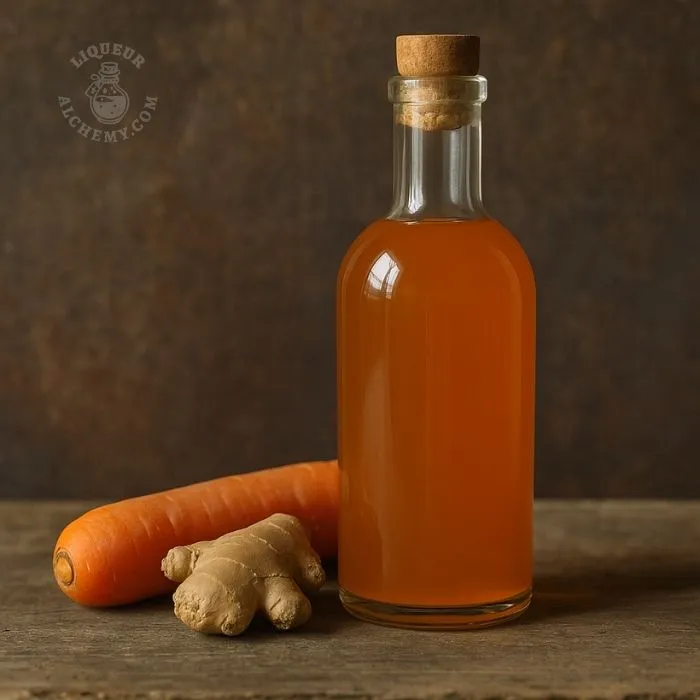
Carrot

Carrot for Liqueur Infusions – Flavor & Pairing Tips

Carrots infuse gentle sweetness and a touch of earthiness. Their golden-orange tone adds warmth to liqueurs, while their flavor enhances ingredients like ginger, orange, or cinnamon, producing balanced, cheerful blends.

Carrot

Home / Ingredients / Vegetables / Carrot

Carrot Flavor Profile

Sweet-earthy root flavor with mild vegetal notes and gentle natural sugars.
Carrot Impact on Liqueurs

Adds earthy sweetness and body, creating unique, softly savory or dessert-style liqueurs.

How to Use Carrot?

Use peeled, grated carrot; 300–500 g per 1 L. Infuse 1–3 weeks in vodka; strain early.

Carrot Pairing Suggestions

Vodka, White Sugar, Orange, Ginger, Honey, Cinnamon, Vanilla, Cardamom, Apple
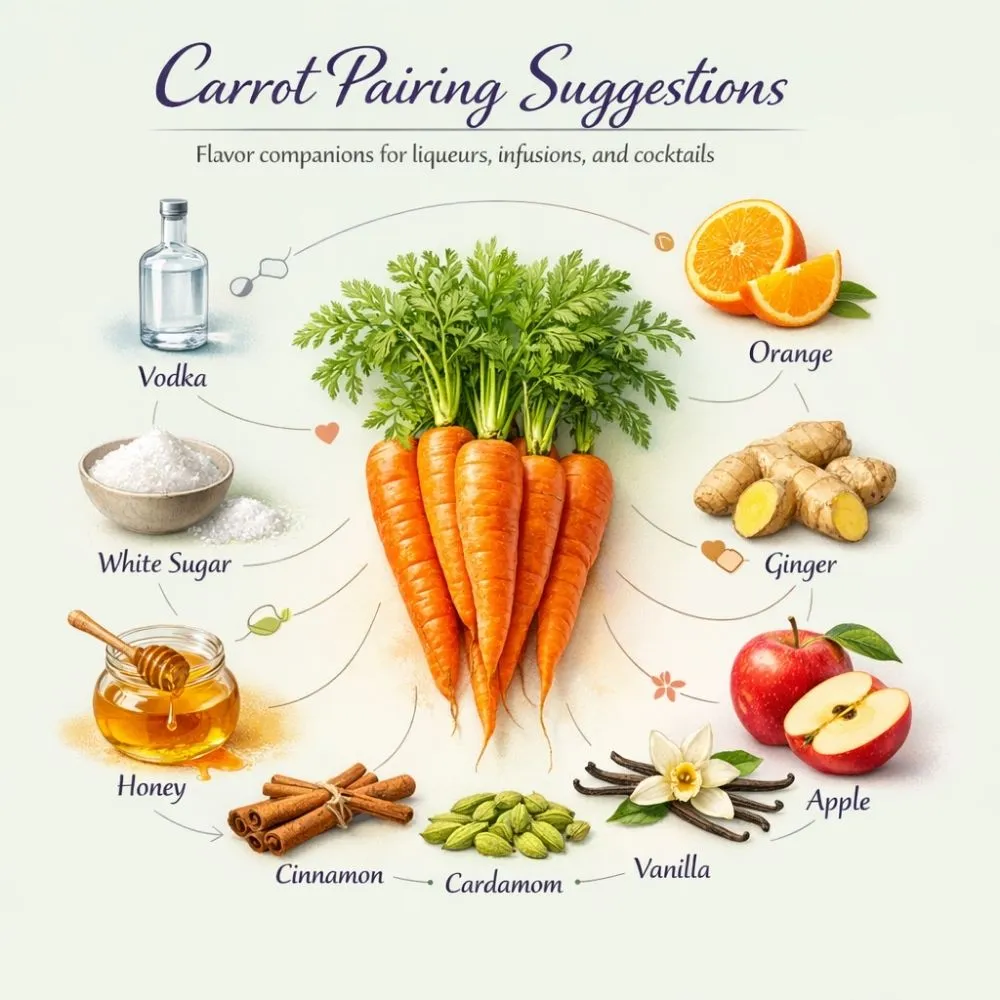
Carrot pairing suggestions for liqueur making

Carrot FAQ


Carrot can read earthy because its savory compounds and skin notes extract quickly in alcohol. The biggest improvement is prep: peel well, trim the ends, and use only sweet, fresh carrots. Roasting or lightly caramelizing brings out natural sweetness and reduces “vegetal” edges.

For extraction, use sliced or grated carrot for 3–7 days, tasting daily. Longer contact can amplify soil-like notes, especially if the carrots are older or the infusion sits warm. Strain as soon as the aroma turns sweet and “rooty” rather than salad-like.

Balance finishes the job. A touch of citrus peel, vanilla, or warm spice (cinnamon) can lift carrot into a dessert profile. Let it rest at least 1–2 weeks so the earthy edges mellow and the sweetness feels rounder.

For clean flavor, use fresh carrots stored cold and dry, then prep just before infusing. Avoid limp carrots, bruised spots, or anything that smells musty—those off-notes can show up strongly in alcohol.

Wash, peel, and cut with a clean knife and board. Pat dry so you don’t add extra water to the jar. If you want extra safety and stability, briefly blanch and dry, or roast and cool—both reduce surface microbes and soften harsh raw notes.

After straining, store the finished liqueur sealed and away from heat and light. Carrot liqueur improves with rest, but keep oxygen exposure minimal to preserve its sweet, warm aroma.

Several factors influence the extraction of flavors from carrots when making liqueurs. The type of alcohol used can significantly impact the extraction process. Higher proof spirits tend to extract flavors more efficiently, while lower proof options may require longer infusion times.

Temperature also plays a crucial role in flavor extraction. Warmer temperatures can accelerate the release of sugars and flavors, but excessive heat may lead to undesirable bitterness. Therefore, finding the right balance is essential for achieving the desired taste.

Lastly, the duration of the infusion is key. Carrots benefit from extended infusion times to fully develop their flavors. Monitoring the process closely can help you achieve a well-rounded liqueur that showcases the unique characteristics of carrots.

Yes, if you're looking to replace carrot juice in your liqueurs, consider using orange juice. It offers a similar sweetness and can brighten the flavor profile of your drink. Orange juice can also provide a refreshing citrus note that complements various liqueur bases.

Another suitable alternative is apple juice, which has a mild sweetness and can mimic the smooth texture of carrot juice. Apple juice blends well with many flavors, making it a versatile choice for liqueur recipes.

Lastly, you might opt for a blend of pineapple and mango juice for a tropical twist. This combination can enhance the fruity character of your liqueur while providing a vibrant color and flavor.

The amount of carrot to use in your liqueur recipe can vary based on the desired intensity of flavor. A good starting point is to use about 100 to 200 grams of fresh carrots for every liter of alcohol. This range provides a balanced sweetness without overpowering other ingredients.

If you're experimenting, consider starting with a smaller quantity and adjusting based on taste. You can always add more carrots in subsequent batches if you find the flavor lacking. Remember that the type of carrot may also influence the final taste, with sweeter varieties providing a different profile.

Always keep in mind that the infusion process will concentrate flavors, so a little goes a long way. Taste your liqueur periodically during the infusion to ensure you achieve the perfect balance for your palate.
Carrot
Carrot in Liqueur Crafting

More Vegetables


RELATED RECIPES OF LIQUEUR ALCHEMY


Explore more creations from Liqueur Alchemy that share similar flavours, techniques, or ingredients. These related recipes offer fresh ideas and inspired combinations to help you craft your next bold, homemade spirit.

LIQUEUR ALCHEMY TOOLS & RESOURCES


Design labels in minutes—beautiful, practical, and ready to print. Choose a tool below to generate bottle or ingredient labels that match your Liqueur Alchemy workflow.
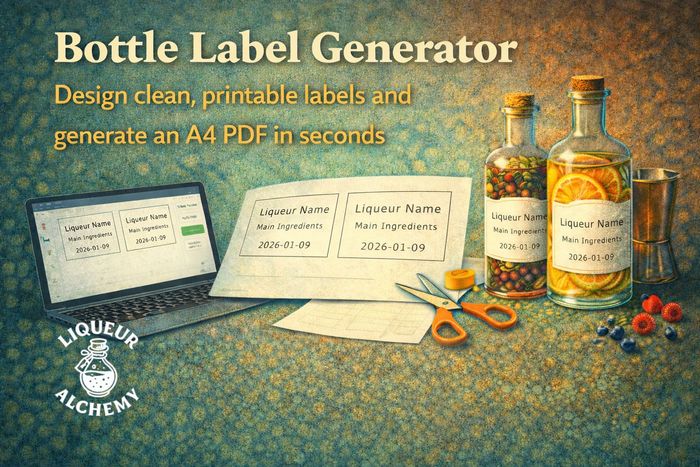
Bottle Label Generator preview

Bottle Label Generator

Create clean bottle labels with your liqueur name, batch details, date — ready for printing and gifting.
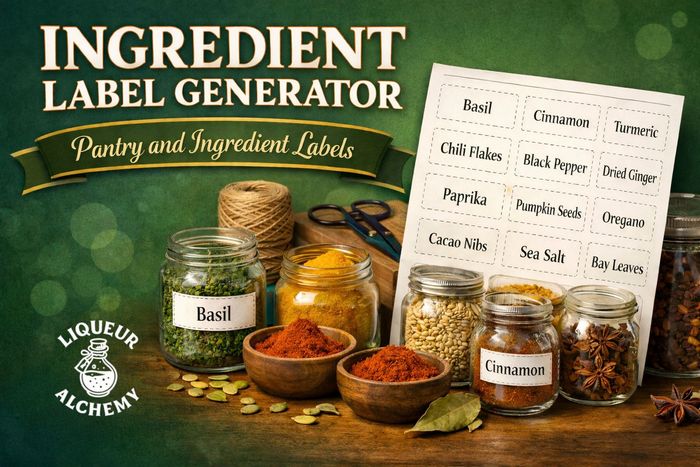
Ingredient Label Generator preview

Ingredient Label Generator

Label jars, containers, and storage bags to maintain clear organization from preparation through infusion and serving.
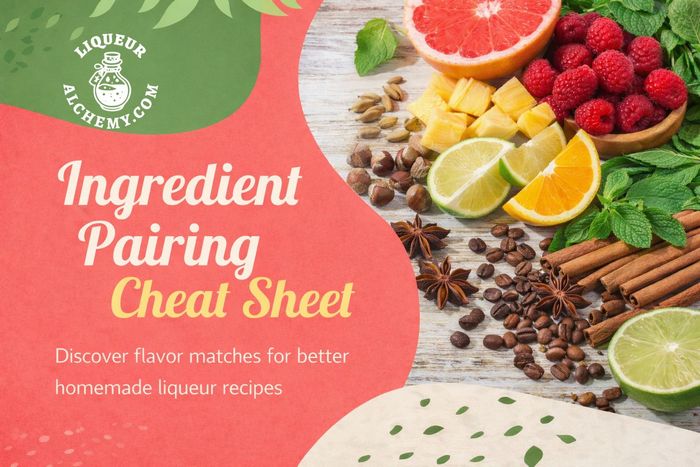
Ingredient pairing cheat sheet for creating balanced homemade liqueurs

Ingredient Pairing Cheat Sheet

Discover flavor combinations that create balanced, complex, and unique homemade liqueurs.