Celery

Celery for Liqueur Infusions – Flavor & Pairing Tips

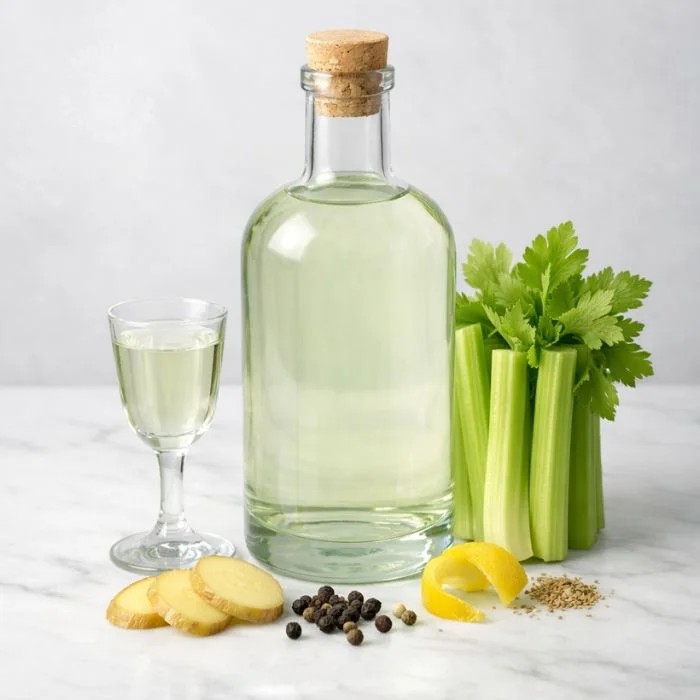
Celery contributes a clean, vegetal brightness with subtle spice. Its aroma pairs well with citrus, cucumber, or gin-based blends, creating refreshing, modern infusions with refined complexity.

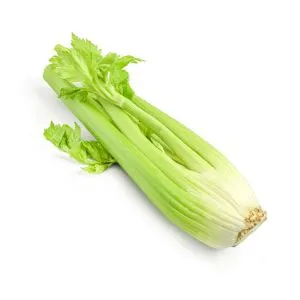
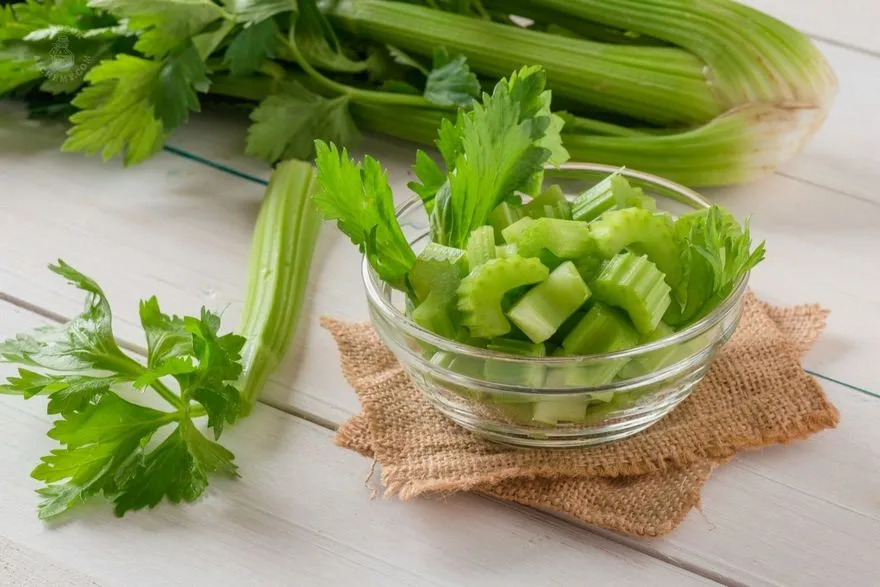
Celery

Home / Ingredients / Vegetables / Celery

Celery Flavor Profile

Fresh green aroma, crisp vegetal bitterness with subtle saltiness.

Celery Impact on Liqueurs

Adds savory freshness and dryness, perfect for aperitif or Bloody Mary–style liqueurs.

How to Use Celery?

Use chopped stalks; 200–300 g per 1 L. Infuse 2–5 days in vodka; strain promptly.

Celery Pairing Suggestions

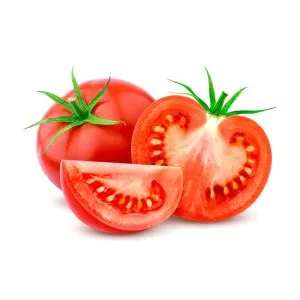
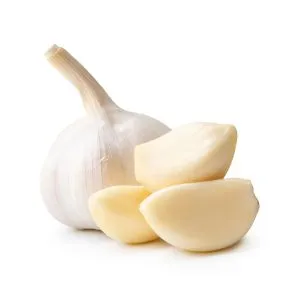
Vodka, White Sugar, Lemon, Apple, Lemongrass, Black Pepper, Ginger, Honey
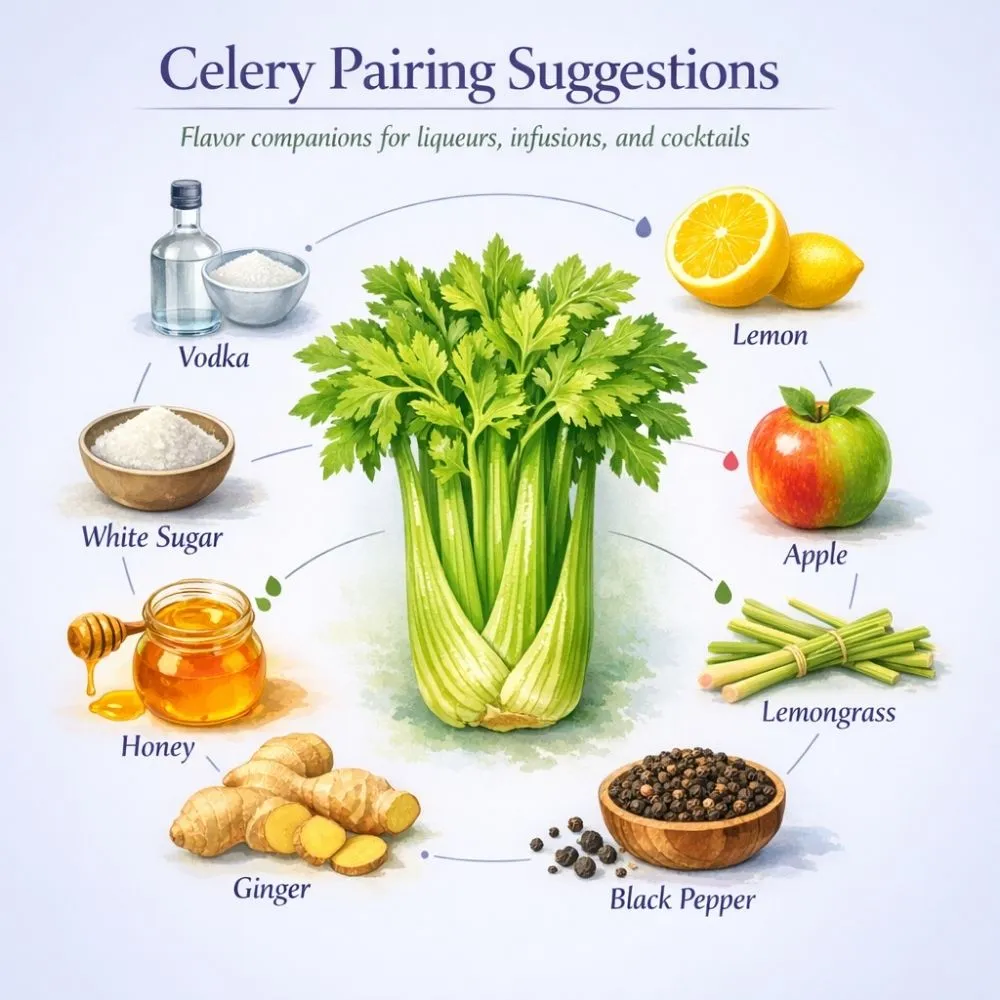
Celery pairing suggestions for liqueur making

Celery FAQ


Celery can be used in alcohol infusions, but it’s best treated as a botanical accent rather than a main fruit flavor. It adds a crisp, savory-green note that can feel refreshing in small amounts and can support citrus or herbal profiles.

The risk is going too far: celery can become vegetal, salty, or soup-like if over-extracted. Use small amounts, taste frequently, and consider using celery leaf or seed for more aroma with less watery bulk.

Celery works best in tiny doses or as a finishing steep. Strain early, then balance carefully—often with citrus and modest sweetness—to keep it cocktail-friendly.

If you want celery’s fresh, savory lift with different nuance, try fennel frond, dill (very lightly), or a tiny amount of celery seed. These give aromatic green notes without as much watery bulk as celery stalk.

For a cleaner, more cocktail-friendly freshness, pair citrus zest with a gentle herb like parsley or lemon balm. Keep the infusion short and taste often.

Substitute by function: crisp green aroma and structure. Add late in small doses, strain early, and blend into a base that already tastes balanced.

Several factors influence the extraction behavior of celery in liqueurs, including the alcohol content, temperature, and the form of celery used. Higher alcohol concentrations can better extract the essential oils and flavors, while lower concentrations may lead to a milder taste. Temperature also plays a role, as warmer conditions can accelerate the extraction process.

The form of celery, whether fresh, dried, or juiced, significantly impacts the extraction outcome. Fresh celery tends to yield more vibrant flavors, while dried celery may provide a more concentrated essence. Choosing the right form based on your desired flavor profile is essential for crafting the perfect liqueur.

Lastly, the duration of the extraction process is critical. A longer steeping time allows for more thorough extraction, but over-extraction can lead to bitterness. Monitoring the extraction closely will help achieve a balanced flavor that highlights celery’s unique characteristics.

The amount of celery to use depends on the batch size and desired flavor intensity. For a standard 750ml bottle of liqueur, start with about 50 grams of fresh celery. This amount provides a noticeable flavor without overwhelming the other ingredients.

If you're experimenting with larger batches, you can scale up the quantity accordingly. However, it's wise to start small and adjust based on taste. Celery's flavor can be quite potent, so it's better to err on the side of caution.

After the initial infusion period, taste your liqueur and decide if you want to add more celery. This allows you to customize the flavor profile to your liking, ensuring a balanced final product.

Yes, you can replace celery with herbs like parsley or cilantro in liqueur making. These herbs can provide a fresh, green flavor that complements many liqueurs. Parsley has a mild taste, while cilantro adds a unique zest, both enhancing the overall profile of your drink.

Another suitable option is using basil, which brings a sweet and slightly peppery flavor. Basil can add a more aromatic quality to your liqueur, making it a delightful alternative to celery. Use fresh basil for the best results, as dried basil may not provide the same freshness.

Lastly, consider using tarragon, which has a distinct flavor reminiscent of anise. This herb can add a sophisticated touch to your liqueur, making it a unique substitute for celery while still maintaining a herbal essence.
Celery
Celery in Liqueur Crafting

More Vegetables


RELATED RECIPES OF LIQUEUR ALCHEMY


Explore more creations from Liqueur Alchemy that share similar flavours, techniques, or ingredients. These related recipes offer fresh ideas and inspired combinations to help you craft your next bold, homemade spirit.

LIQUEUR ALCHEMY TOOLS & RESOURCES


Design labels in minutes—beautiful, practical, and ready to print. Choose a tool below to generate bottle or ingredient labels that match your Liqueur Alchemy workflow.
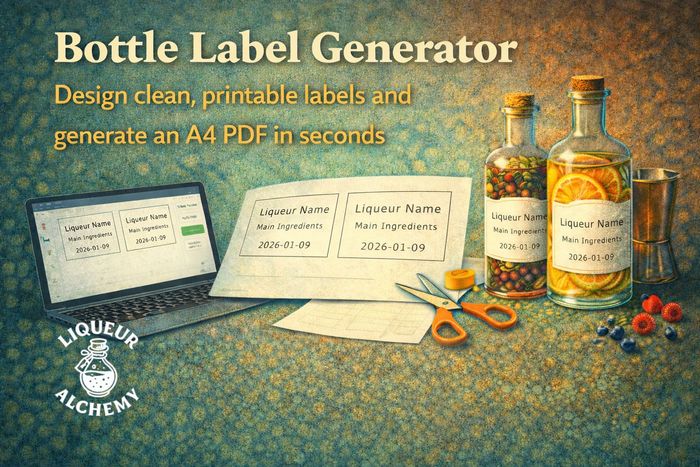
Bottle Label Generator preview

Bottle Label Generator

Create clean bottle labels with your liqueur name, batch details, date — ready for printing and gifting.
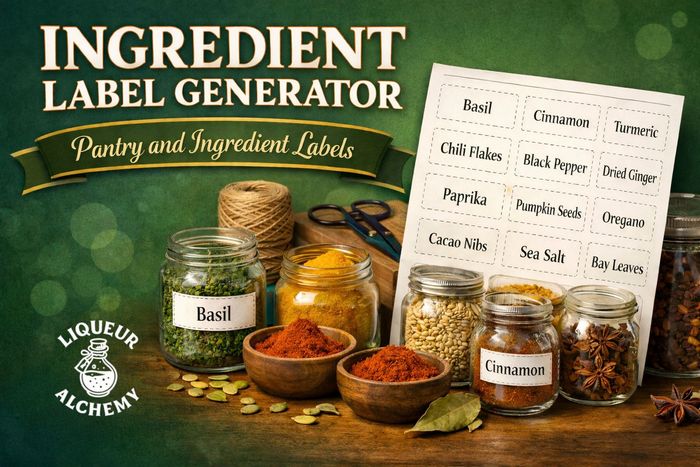
Ingredient Label Generator preview

Ingredient Label Generator

Label jars, containers, and storage bags to maintain clear organization from preparation through infusion and serving.

Ingredient pairing cheat sheet for creating balanced homemade liqueurs

Ingredient Pairing Cheat Sheet

Discover flavor combinations that create balanced, complex, and unique homemade liqueurs.