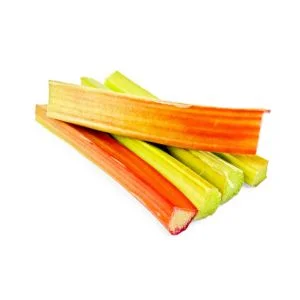
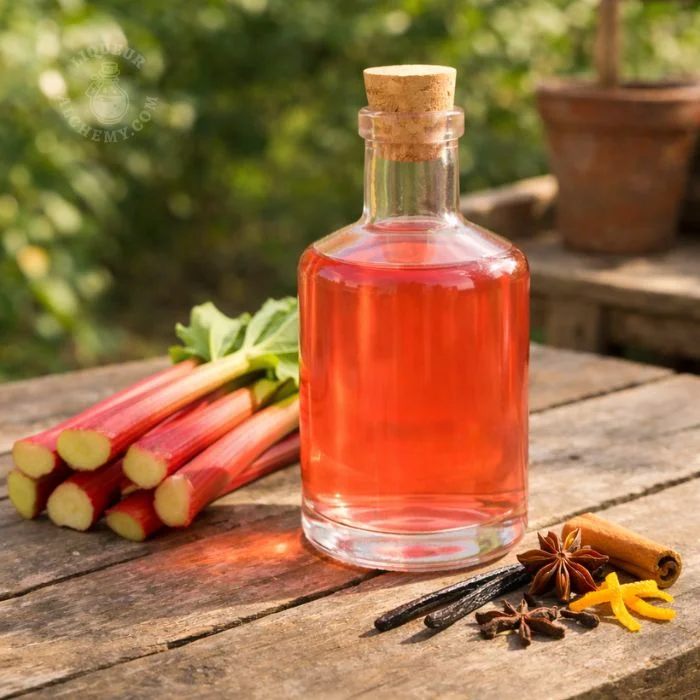
Rhubarb

Rhubarb in Liqueur Making: Bright Acidity and Crisp Structure

Rhubarb is prized in liqueur making for its vivid acidity, fresh red-green aroma, and naturally crisp, refreshing character. It does not taste lush or sugary on its own, so it works best as a structural ingredient that adds lift, tension, and brightness. In homemade liqueurs, rhubarb helps balance sweetness, sharpens fruit blends, and creates a clean finish. It pairs especially well with citrus, berries, ginger, vanilla, and honey for lively, elegant, and modern recipes.

Rhubarb

Home / Ingredients / Vegetables / Rhubarb

Rhubarb Flavor Profile

Tart, crisp, fresh, green-fruity, lightly vegetal, and bright with a clean acidic finish.
Rhubarb Impact on Liqueurs

Adds lift, acidity, freshness, and structure, helping sweet liqueurs feel sharper, lighter, and more balanced.

How to Use Rhubarb?

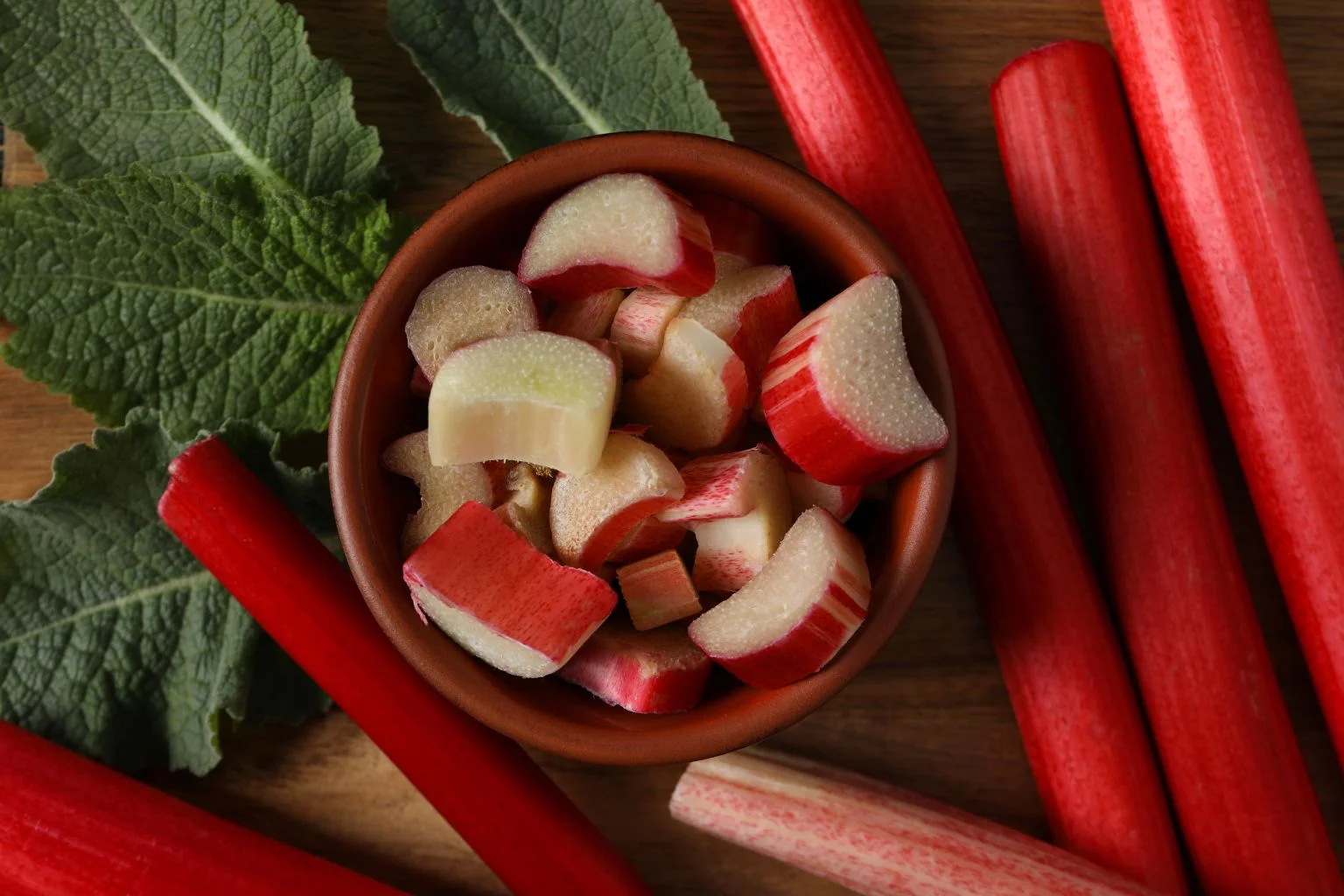
Use firm, fresh stalks and avoid leaves, which are not suitable for liqueur making. Slice evenly for steady extraction, sweeten thoughtfully to soften the sharp edge, and pair with fruits, citrus, or warm aromatics for better roundness.

Rhubarb Pairing Suggestions

Vodka, Gin, White Rum, Cane Sugar, Honey, Strawberry, Orange Zest, Ginger, Vanilla, Raspberry
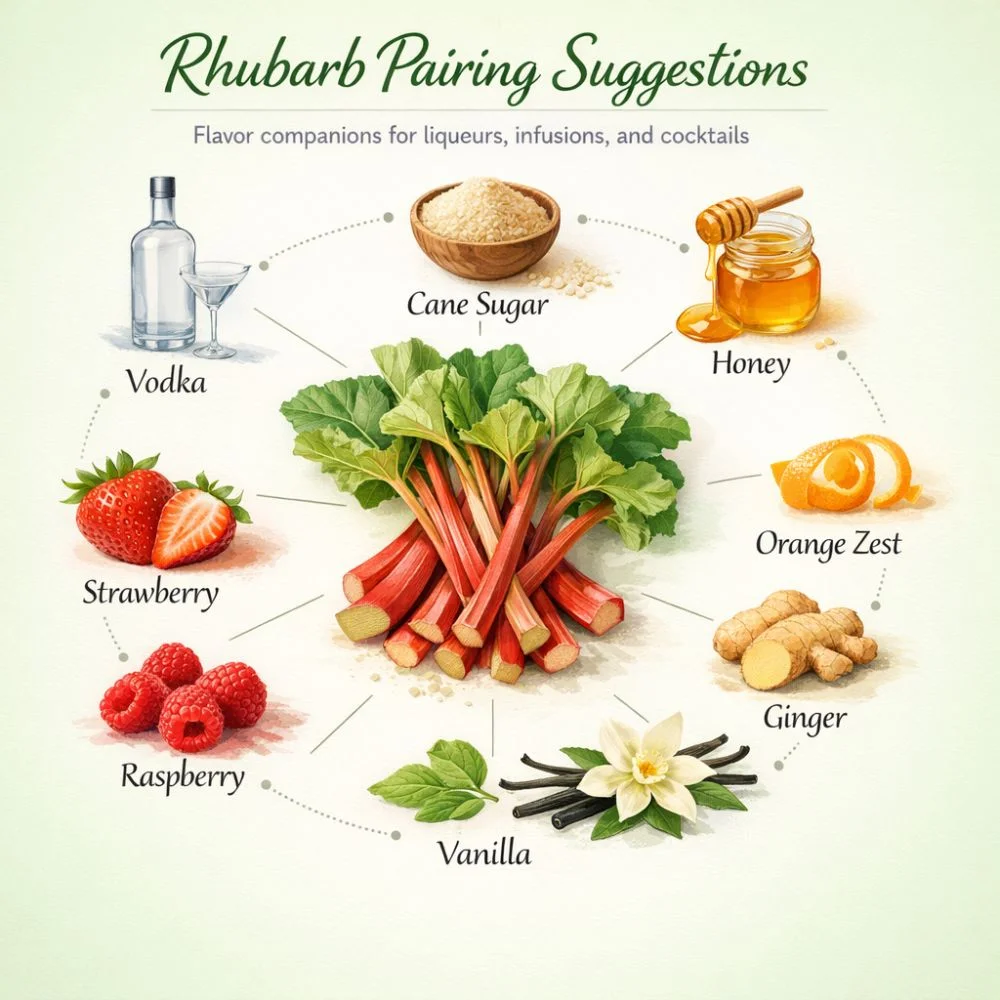
Rhubarb pairing suggestions for liqueur making

Rhubarb FAQ


Rhubarb extracts into alcohol with a profile that is sharp, fresh, and distinctly vegetal-fruity, which sets it apart from tart fruits such as cranberry or sour cherry. Cranberry tends to give brisk acidity with a dry, slightly tannic berry character, while sour cherry brings deeper fruit, richer color, and a fuller aromatic impression. Rhubarb sits somewhere different: it offers bright acidity and freshness, but its aroma is less dense and less obviously fruity than either cranberry or sour cherry. It can therefore feel more linear, more lifted, and slightly more botanical.

In maceration, rhubarb often gives up acidity before it gives up complexity. That means the liquid may taste vividly tart quite early, even when the aroma still feels restrained. Sour cherry usually builds a rounder and more generous fruit expression, and cranberry often contributes both acidity and some structured bitterness from skins. Rhubarb is more stem-like and lean by comparison, so the final liqueur often depends more on sugar balance, alcohol strength, and companion ingredients such as orange zest, vanilla, or ginger to feel complete.

This extraction behavior makes rhubarb excellent when you want lift, freshness, and a clean tart line rather than jammy fruit richness. It is especially effective in modern, bright liqueurs where clarity and tension matter more than heavy sweetness. If overused or infused too long, though, rhubarb can become more sour and fibrous than aromatic. That is why it often benefits from shorter infusion times than cherry and from more careful tasting than cranberry, especially if you want a fresh rhubarb signature rather than a sharp generic tartness.

No fruit matches rhubarb perfectly because rhubarb is technically a stalk and carries a unique combination of tartness, freshness, and gentle vegetal character. Still, several fruits can replace it in liqueurs if the goal is to keep a similarly bright and refreshing style. Green apple is one of the most practical substitutes because it provides crisp acidity and a clean profile. Red currant also works well when you want sharper fruit and better color. Cranberry can provide a brisk tart edge, though it tends to be drier and slightly more bitter than rhubarb.

Other useful options include gooseberry, sour cherry, and underripe plum, depending on the style you want. Gooseberry comes close to rhubarb in terms of freshness and tartness, though it leans more obviously fruity. Sour cherry gives more depth and richness, so it shifts the liqueur toward a rounder, darker result. Red currant often gives the best compromise between brightness, acidity, and elegant fruit. If the original rhubarb recipe depends on rhubarb’s green edge, a little citrus peel or a small amount of fresh ginger can help bring back some of that lifted freshness.

When substituting, the biggest adjustment is sweetness. Many fruits bring more natural sugar and aroma than rhubarb, so a direct one-to-one swap can produce a softer, fruitier liqueur than intended. Start with the same spirit volume, use a slightly smaller fruit weight at first, and sweeten only after tasting. A rhubarb-style liqueur should feel refreshing, bright, and tense rather than heavy or jammy, so the best substitute is usually the one that preserves acidity and freshness without becoming too lush.

Rhubarb is usually best infused for a relatively moderate period because its most attractive qualities appear earlier than many makers assume. In most homemade liqueurs, a range of about 5 to 14 days is often enough to capture tartness, color, and a recognizable rhubarb profile without drawing too much raw plant character. The exact timing depends on slice size, alcohol strength, stalk freshness, and the overall recipe, but rhubarb rarely benefits from very long maceration in the way that some dried fruits, spices, or nuts do.

If the infusion goes too long, the liquid can shift away from fresh rhubarb and toward something flatter, sharper, or more vegetal. Instead of becoming richer, it may simply become more acidic and fibrous. This is especially likely when the stalks are cut very small, bruised heavily, or stored at room temperature for extended periods. Higher-proof spirit can accelerate extraction further, so regular tasting becomes essential. A maker who waits for a dramatic aroma increase may overshoot the best moment, because rhubarb often peaks in freshness before it peaks in intensity.

A practical method is to begin tasting after about day 4 or 5 and then every day or two after that. Once the infusion has a bright tart line, decent color, and clear rhubarb identity, it is usually time to strain. Sweetening and resting can then round the profile naturally. In rhubarb liqueur, freshness is a major asset, so stopping at the right moment is more important than pushing for maximum extraction. The best batch often tastes alive and crisp rather than fully exhausted.

Rhubarb liqueur often turns overly sour or thin when acidity is extracted more successfully than body, aroma, and sweetness are built around it. Rhubarb naturally has a sharp profile, so if the maker uses too much fruit, infuses too long, or relies on very neutral spirit without any supporting ingredients, the result can feel narrow rather than expressive. The tartness stands out, but the mid-palate seems empty. This is a common issue because rhubarb is vivid in acidity but comparatively modest in deep fruit weight.

Another cause is dilution strategy. If sugar syrup is added too heavily or too early, the flavor can become watered down without truly becoming rounder. The drink may lose intensity, yet still remain sharp because the sour structure is still there. Under-sweetening can produce the opposite problem: the liqueur stays angular and dry, with no cushion to carry the rhubarb. Poor ingredient quality also matters. Old stalks, woody pieces, and pale off-season rhubarb often contribute acid and fiber more readily than bright, attractive aroma.

To avoid a thin result, think in terms of architecture rather than just extraction. Rhubarb usually benefits from a balancing element such as orange zest, ginger, vanilla, honey, or a small berry component. Sweetening should be gradual and guided by taste, not by formula alone. It also helps to let the strained and sweetened liqueur rest for a short period, because integration can soften the edges and improve perceived body. A good rhubarb liqueur should taste bright and refreshing, but it still needs enough depth to feel complete.

Rhubarb contributes a flavor profile that is bright, tart, fresh, and lightly vegetal, with an elegant sharpness that makes liqueurs feel lively rather than heavy. Its taste is often described as somewhere between sour fruit and crisp stalk, which is exactly why it is so appealing in homemade infusions. It does not behave like a lush berry or a juicy stone fruit. Instead, it offers tension, lift, and a clean acidic line that can make a sweetened spirit feel more refined and modern.

A rhubarb liqueur usually carries a subtle fruitiness rather than a loud one. Depending on the stalks, it may show hints of green apple, red currant, citrusy brightness, or even a faint earthy tone beneath the tart surface. This means rhubarb is especially useful when the goal is balance and freshness rather than richness. It pairs naturally with vanilla, orange zest, ginger, strawberry, raspberry, honey, and certain floral or spice accents because those ingredients either soften its edges or highlight its refreshing side.

In the final bottle, rhubarb often functions as both a flavor and a structural element. It can define the mood of the liqueur by making sweetness feel cleaner and more controlled. Even in a sweet recipe, rhubarb keeps the drink from becoming cloying. That is its real strength. It brings brightness with personality, not just acid for acid’s sake. A well-made rhubarb liqueur feels crisp, refreshing, and slightly sophisticated, with enough edge to stay interesting from the first sip to the finish.
Rhubarb
Rhubarb in Liqueur Crafting

More Vegetables


LIQUEUR ALCHEMY TOOLS & RESOURCES


Design labels in minutes—beautiful, practical, and ready to print. Choose a tool below to generate bottle or ingredient labels that match your Liqueur Alchemy workflow.
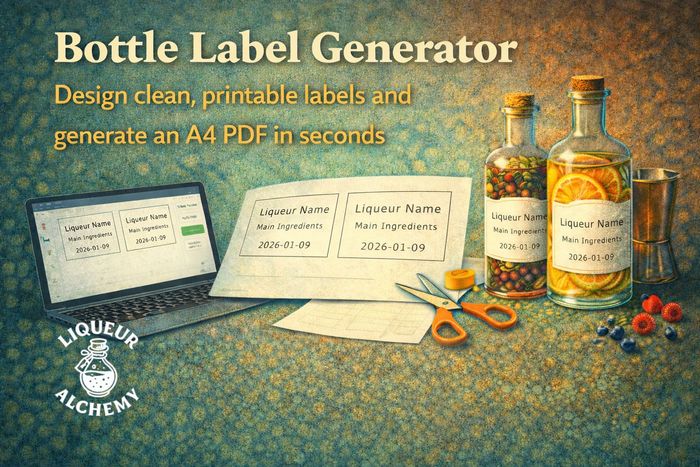
Bottle Label Generator preview

Bottle Label Generator

Create clean bottle labels with your liqueur name, batch details, date — ready for printing and gifting.
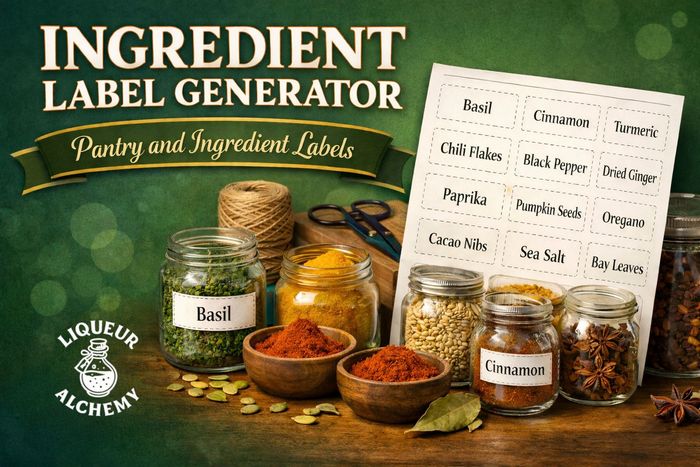
Ingredient Label Generator preview

Ingredient Label Generator

Label jars, containers, and storage bags to maintain clear organization from preparation through infusion and serving.
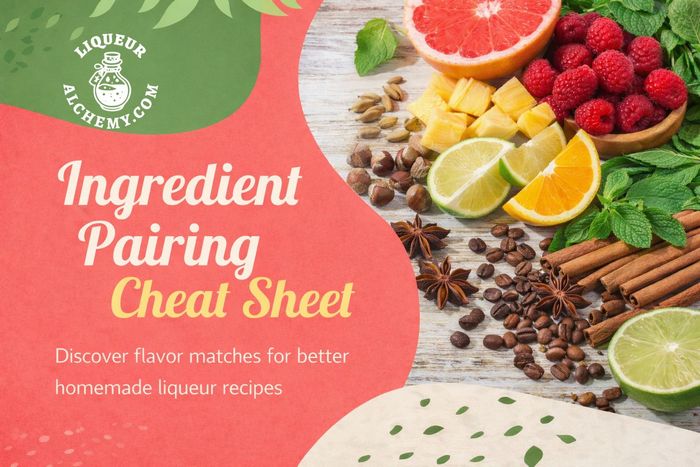
Ingredient pairing cheat sheet for creating balanced homemade liqueurs

Ingredient Pairing Cheat Sheet

Discover flavor combinations that create balanced, complex, and unique homemade liqueurs.