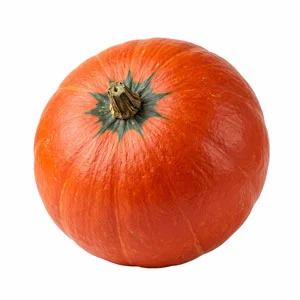
How does roasting Hokkaido pumpkin affect flavor extraction in alcohol?
Infusion and Maceration Methods for Homemade Liqueurs
Direct Answer
Roasting concentrates Hokkaido pumpkin and develops sweeter, nuttier, caramelised flavours, but excessive browning can add bitterness and complicate the infusion.
Expanded Explanation
Roasting Hokkaido pumpkin before infusion changes both the flavour available for extraction and the character of the finished liqueur. Heat reduces some of the fresh, vegetal qualities of raw pumpkin while encouraging sweeter, nuttier and lightly caramelised flavours. It also removes part of the water from the flesh, concentrating its flavour. When the cooled roasted pieces are covered with alcohol, these developed aromas can produce a warmer, richer infusion than raw pumpkin.
For liqueur making, roast pumpkin only until tender and lightly browned rather than deeply charred. Excessive browning can introduce burnt, smoky or bitter notes that become more obvious after several weeks in alcohol. Allow the pumpkin to cool completely before placing it in the infusion jar. Warm pumpkin can create condensation and unnecessary moisture, while very soft or mashed pumpkin makes later clarification considerably more difficult.
Roasted pumpkin works particularly well when the intended liqueur has an autumn or dessert-style profile with vanilla, cinnamon, ginger, orange, nutmeg or honey. Raw pumpkin is better when a fresher and more delicate squash character is wanted. Because roasting intensifies flavour, taste the infusion regularly rather than assuming it requires the same maceration time as raw pumpkin. Strain when the pumpkin character is clearly present but before cooked or earthy notes begin to dominate.