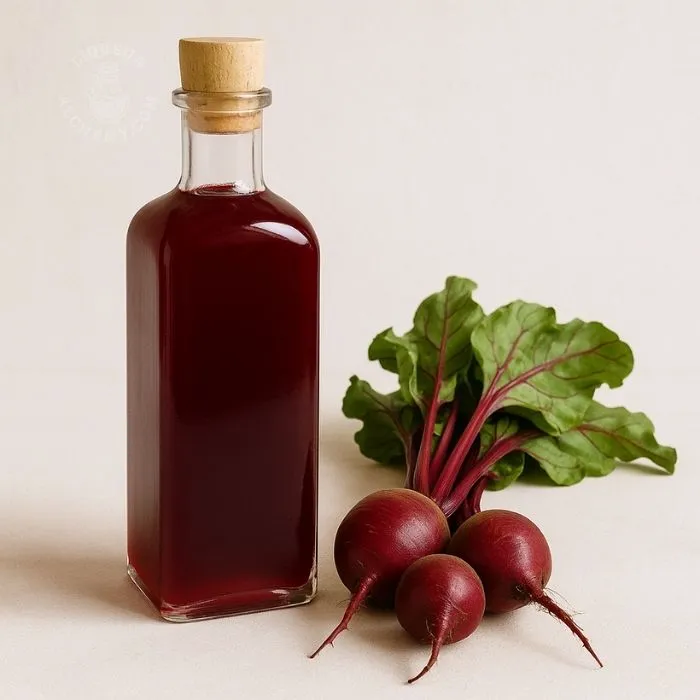
Beetroot

Beetroot for Liqueur Infusions – Flavor & Pairing Tips

Beetroot offers deep, earthy sweetness and vivid ruby color. It adds complexity and body to liqueurs, blending harmoniously with citrus, spices, and roots. Its natural sugars balance acidity, creating smooth, visually striking infusions.

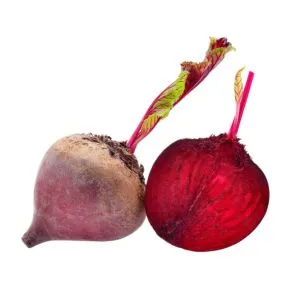
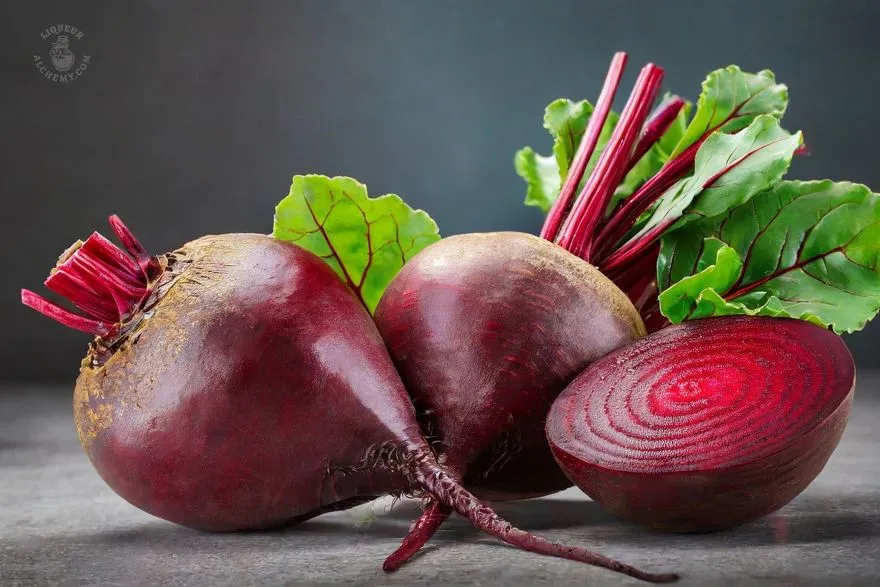
Beetroot

Home / Ingredients / Vegetables / Beetroot

Beetroot Flavor Profile

Earthy-sweet, rooty richness with subtle mineral notes; deep red color potential.
Beetroot Impact on Liqueurs

Adds earthy depth and natural sweetness; can create dramatic color and a grounding, savory edge.

How to Use Beetroot?

Use peeled, thin slices (raw or lightly roasted); 200–400 g per 1 L. Infuse 5–14 days in vodka; strain early.

Beetroot Pairing Suggestions

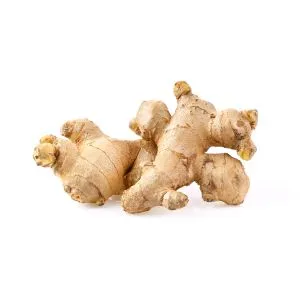
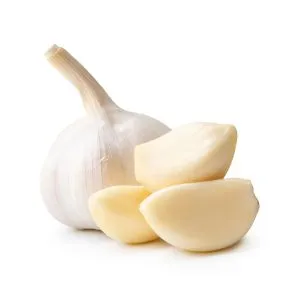
Vodka, White Sugar, Orange, Ginger, Apple, Cinnamon, Honey, Lemon Peel
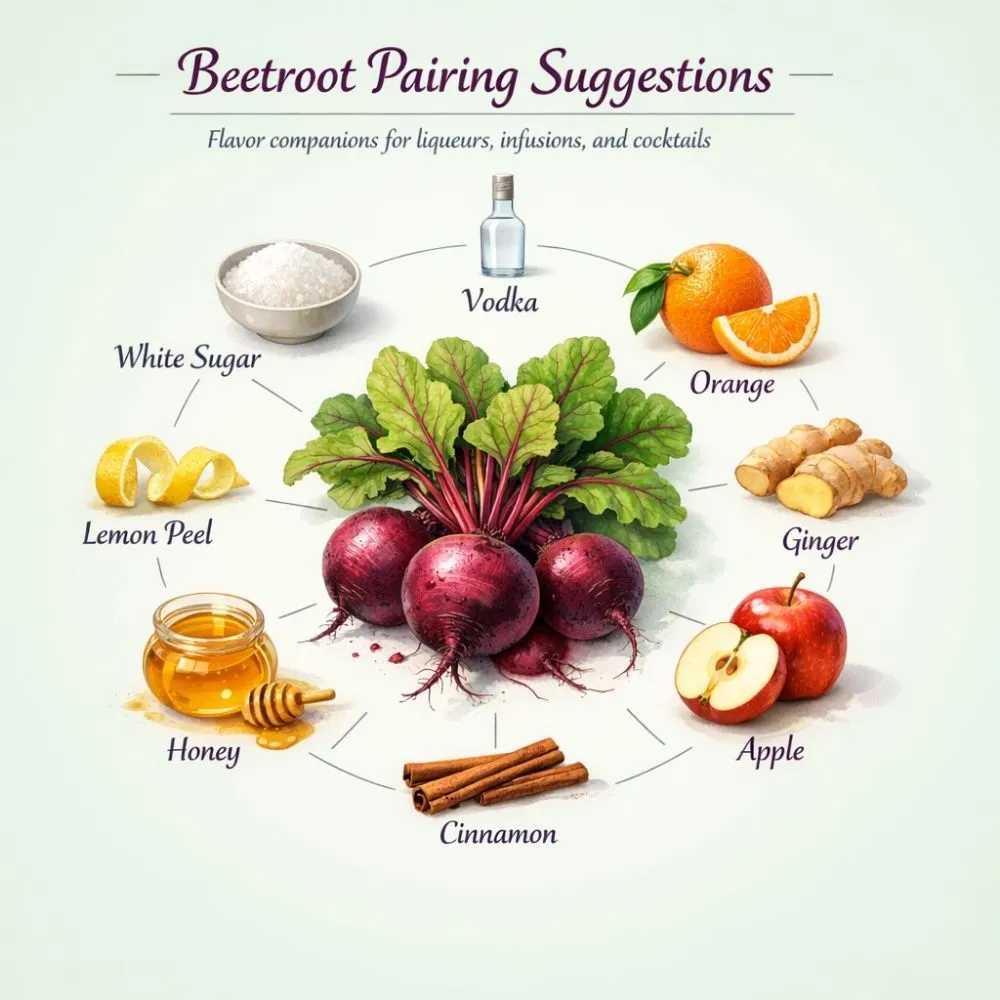
Beetroot pairing suggestions for liqueur making

Beetroot FAQ


Beetroot can taste earthy because soil-like compounds and skin notes extract quickly in alcohol. The best fix is prep: scrub and peel thoroughly, trim the ends, and use fresh beetroot that smells sweet, not musty.

Roasting or baking beetroot before infusion shifts the flavor toward caramel and reduces raw “dirt” notes. Cool completely, then infuse in controlled time—start tasting after 2–3 days and strain when the aroma is sweet and rosy rather than vegetal.

Balance matters. Citrus peel, vanilla, or warm spices help turn beetroot into a dessert-like profile. Give the sweetened bottle at least 1–2 weeks of rest so earthy edges soften and texture becomes rounder.

Vodka keeps beetroot clean and bright, while rum or brandy can add a richer, baked-dessert feel—especially if you roasted the beets. Choose the base depending on whether you want fresh brightness or warm depth.

Beetroot can throw fine sediment, so strain carefully and let it settle before final bottling. A second fine filter after a few days can improve clarity and mouthfeel.

Store sealed and away from heat and light, because color can fade with exposure. Beetroot liqueur often improves after a short rest as sweetness integrates and earthy edges soften.

Several factors influence the extraction efficiency of beetroot in liqueur production. The alcohol content of the base spirit is significant; higher alcohol concentrations can enhance the extraction of flavors and colors from the beetroot.

Additionally, the preparation of the beetroot itself matters. Chopping or grating the beetroot increases its surface area, allowing for more efficient extraction compared to using whole pieces. This method ensures that more of the beetroot's compounds are accessible for extraction.

Lastly, the choice of infusion method, whether cold or hot, can also impact the extraction process. Cold infusions preserve the delicate flavors, while hot infusions may extract stronger, more concentrated flavors, providing different profiles for your liqueur.

The recommended dosage of beetroot for liqueur making is about 100 to 200 grams per liter of alcohol. This range allows for a balanced infusion without overwhelming the other flavors in your liqueur.

If you prefer a stronger beetroot flavor, you can increase the amount gradually. Keep in mind that too much beetroot can lead to an overly sweet or earthy profile, which may not be desirable.

It's wise to start with the lower end of the dosage and adjust according to your taste preferences. Tasting throughout the infusion process will help you achieve the perfect balance.

To avoid mistakes, begin by selecting fresh, high-quality beetroot. Freshness impacts both flavor and color, so always choose beets that are firm and vibrant. This ensures a better infusion.

Next, pay attention to the infusion time. Many makers underestimate how long it takes for beetroot to impart its qualities. A longer infusion time can yield a richer flavor, so consider tasting periodically to find the right balance.

Finally, experiment with complementary ingredients. Beetroot pairs well with citrus and spices, but be cautious with the quantities. Too many flavors can clash, so start with small amounts and adjust as needed for a harmonious blend.
Beetroot
Beetroot in Liqueur Crafting

More Vegetables


RELATED RECIPES OF LIQUEUR ALCHEMY


Explore more creations from Liqueur Alchemy that share similar flavours, techniques, or ingredients. These related recipes offer fresh ideas and inspired combinations to help you craft your next bold, homemade spirit.

LIQUEUR ALCHEMY TOOLS & RESOURCES


Design labels in minutes—beautiful, practical, and ready to print. Choose a tool below to generate bottle or ingredient labels that match your Liqueur Alchemy workflow.
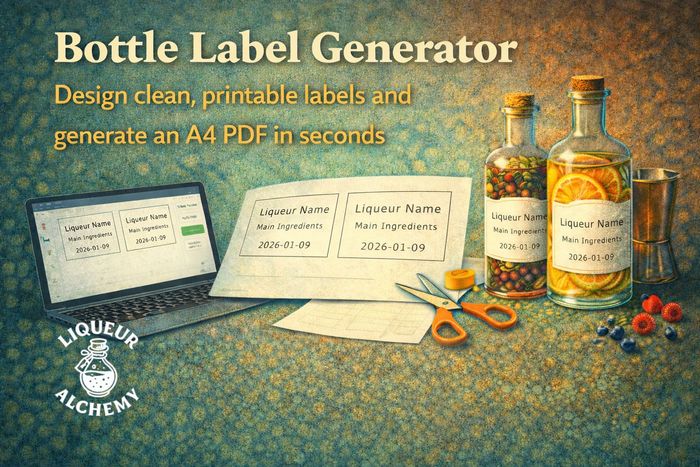
Bottle Label Generator preview

Bottle Label Generator

Create clean bottle labels with your liqueur name, batch details, date — ready for printing and gifting.
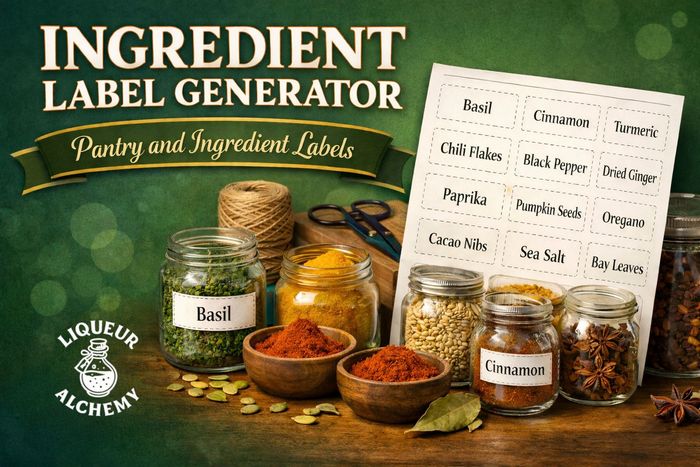
Ingredient Label Generator preview

Ingredient Label Generator

Label jars, containers, and storage bags to maintain clear organization from preparation through infusion and serving.
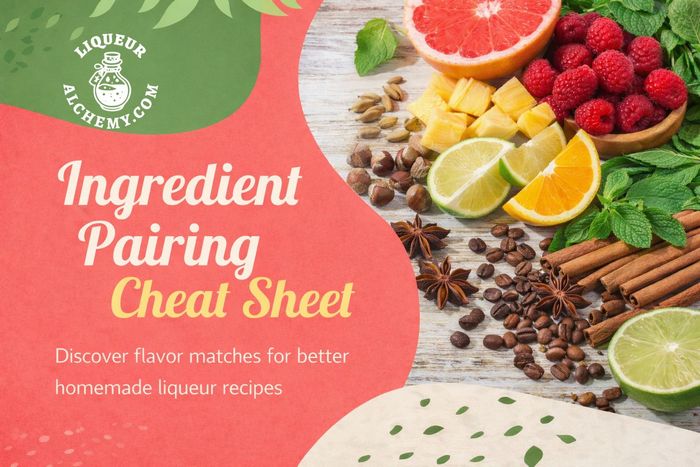
Ingredient pairing cheat sheet for creating balanced homemade liqueurs

Ingredient Pairing Cheat Sheet

Discover flavor combinations that create balanced, complex, and unique homemade liqueurs.