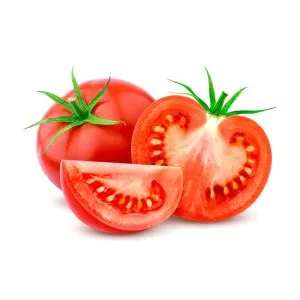
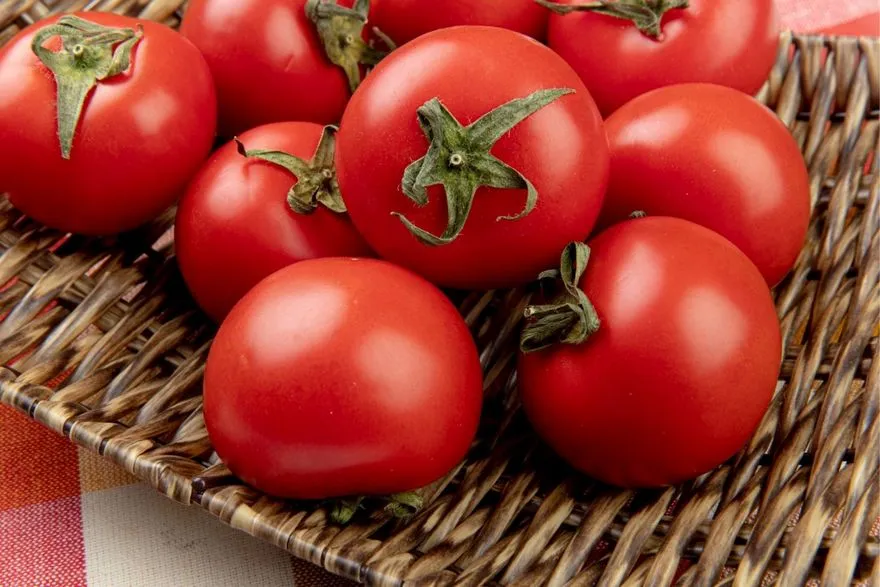
Tomato

Tomato for Liqueur Infusions – Flavor & Pairing Tips

Tomato brings subtle acidity, freshness, and natural umami to liqueurs, creating an intriguing savoury dimension. When infused carefully, it adds depth without overt sweetness, balancing sugar and alcohol with a clean, vegetal note. Tomato works well with herbs, spices, or citrus, especially in experimental or culinary-style liqueurs. It adds structure, originality, and a modern edge that surprises the palate.

Tomato

Home / Ingredients / Vegetables / Tomato

Tomato Flavor Profile

Fresh umami aroma, mild acidity, green savory notes.

Tomato Impact on Liqueurs

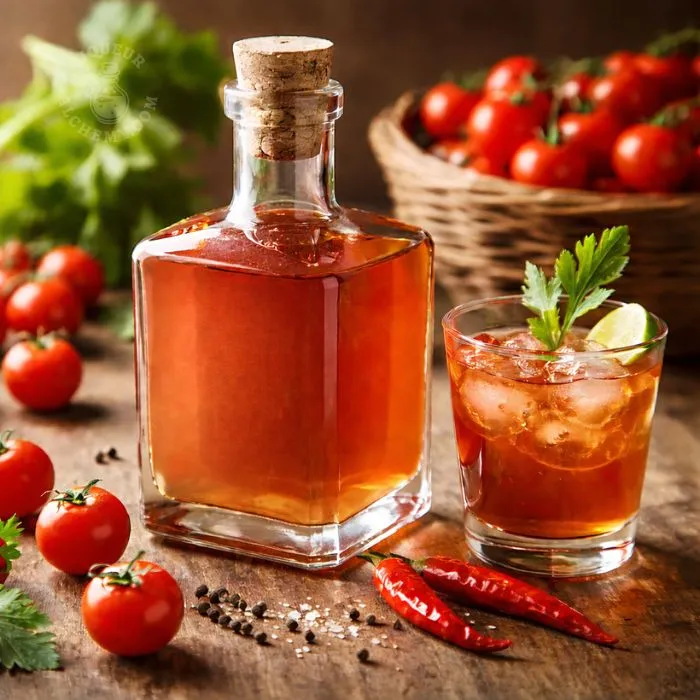
Adds savory depth for culinary or Bloody Mary-style liqueurs.

How to Use Tomato?

Use chopped ripe tomato; 300–500 g per 1 L. Infuse 1–3 days in vodka.

Tomato Pairing Suggestions

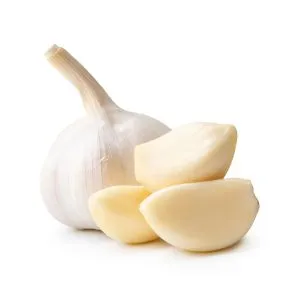
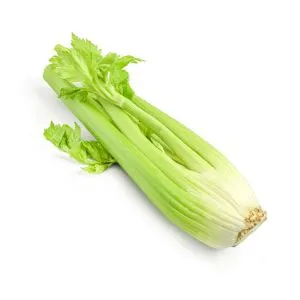
Vodka, Cane Sugar, Basil, Black Pepper, Celery, Lemon, Garlic, Honey
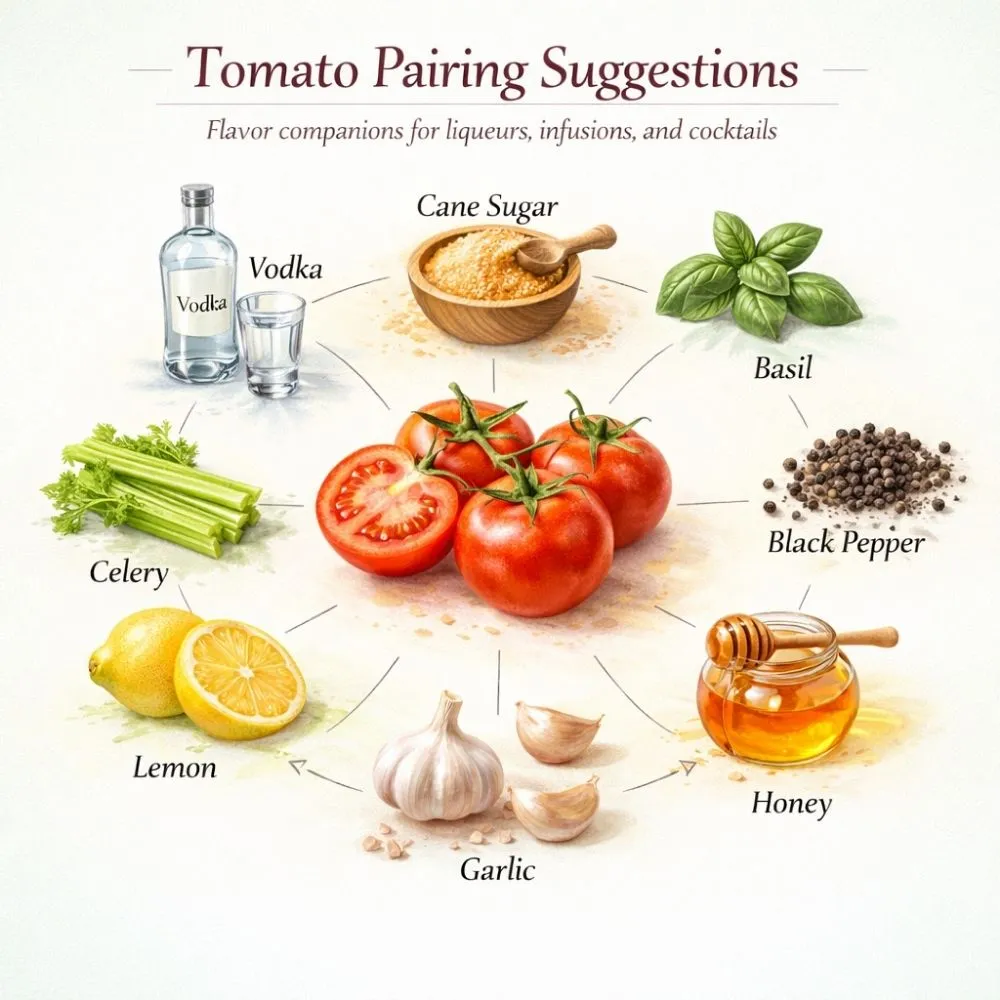
Tomato pairing suggestions for liqueur making

Tomato FAQ


Tomato in alcohol is more of a savory infusion than a classic sweet liqueur, but it can be delicious for Bloody Mary–style cocktails. The key is short extraction and aroma-first ingredients: use ripe tomatoes, remove seeds/gel if you want cleaner flavor, and avoid long contact that pulls cooked, sulfury notes.

Use 40–50% ABV and steep sliced tomato briefly—often 2–12 hours is enough—tasting frequently. Strain early, then decide if you’re making a savory cordial (little to no sugar) or a sweet-savory liqueur (light sweetness + salt + acid balance). Add salt and acid last and in tiny amounts.

Common mistakes include steeping overnight with crushed tomato, using canned tomatoes, and adding heavy spices too early. Flavor impact should be fresh tomato skin + umami, not stew. Store refrigerated and consume within weeks; tomato aromatics are fragile and spoil faster than fruit liqueurs.

Tomato infusions shine in savory cocktails: Bloody Mary variations, tomato gin & tonic riffs, or a savory martini with a lemon twist. Use it more like a seasoning spirit than a sipping liqueur—think small pours that add umami and freshness.

If you want a “liqueur” approach, keep sweetness low and build structure with salt, acidity, and herbal notes (celery, black pepper, basil). Make components separately and blend; tomato itself should be a short, clean infusion.

Common mistakes include trying to make it dessert-sweet and steeping for days. Flavor impact should be bright tomato skin, not sauce. Store refrigerated and use within a month for best aroma.

When extracting flavors from tomatoes for liqueur production, several methods can be effective. Cold maceration is a popular technique, where chopped tomatoes are steeped in alcohol at low temperatures to preserve their fresh taste and aroma.

Another method is hot extraction, where tomatoes are heated with alcohol. This can intensify certain flavors but may also alter the fresh characteristics of the tomatoes. It’s essential to monitor the temperature and extraction time to avoid overcooking the flavors.

Regardless of the method chosen, experimenting with different extraction times and temperatures can yield unique results. Adjusting these variables allows you to tailor the flavor profile of your liqueur to achieve the desired taste and aroma.

To avoid mistakes, start by selecting the right variety of tomatoes. Heirloom or vine-ripened types are often best for infusion due to their rich flavor. Avoid generic or overly watery varieties.

Proper sanitation is crucial. Ensure that all equipment and containers are clean to prevent spoilage. Contamination can ruin the infusion process and lead to off-flavors.

Finally, monitor the infusion time closely. Over-infusing can lead to bitterness, while under-infusing may not extract enough flavor. Taste regularly to find the perfect balance for your liqueur.

Yes, there are several ingredients you can use to replace tomato in craft liqueurs. One popular choice is roasted red peppers, which impart a smoky flavor and sweetness similar to tomatoes. They blend well in liqueurs and can enhance the overall profile of your drink.

You might also consider using beet juice. Beets provide a rich color and a hint of earthiness, which can be a delightful substitute. Their natural sweetness can balance the acidity typically found in tomatoes, making them a versatile option.

Finally, consider using a blend of fruit juices like pomegranate or cranberry. These juices can add a tartness and vibrant color that can mimic the essence of tomatoes while introducing new flavor dimensions.
Tomato
Tomato in Liqueur Crafting

More Vegetables


RELATED RECIPES OF LIQUEUR ALCHEMY


Explore more creations from Liqueur Alchemy that share similar flavours, techniques, or ingredients. These related recipes offer fresh ideas and inspired combinations to help you craft your next bold, homemade spirit.

LIQUEUR ALCHEMY TOOLS & RESOURCES


Design labels in minutes—beautiful, practical, and ready to print. Choose a tool below to generate bottle or ingredient labels that match your Liqueur Alchemy workflow.
Bottle Label Generator preview

Bottle Label Generator

Create clean bottle labels with your liqueur name, batch details, date — ready for printing and gifting.
Ingredient Label Generator preview

Ingredient Label Generator

Label jars, containers, and storage bags to maintain clear organization from preparation through infusion and serving.

Ingredient pairing cheat sheet for creating balanced homemade liqueurs

Ingredient Pairing Cheat Sheet

Discover flavor combinations that create balanced, complex, and unique homemade liqueurs.