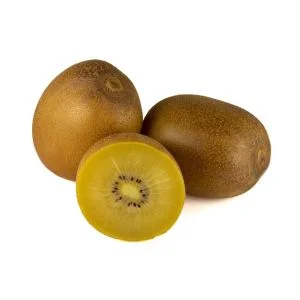
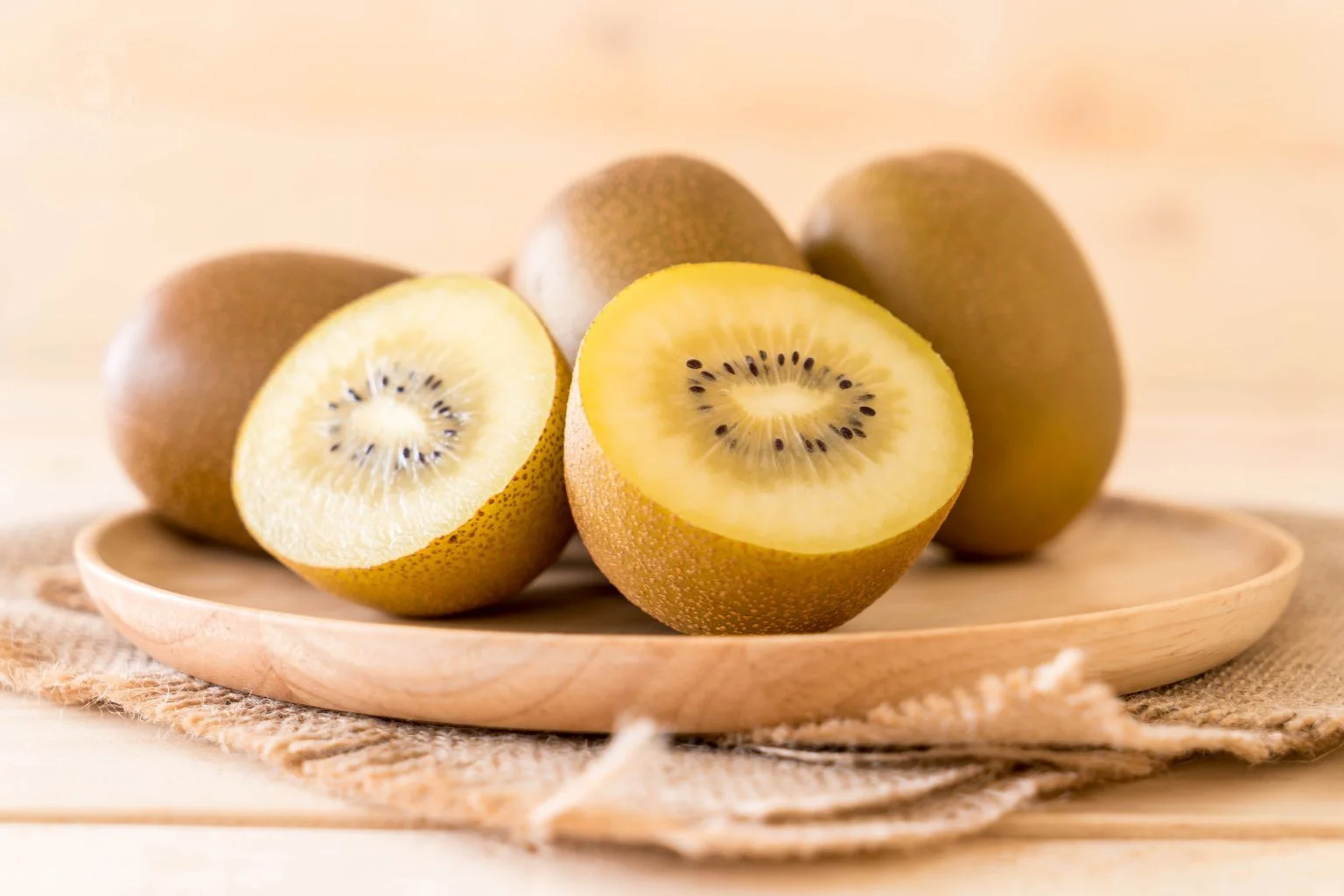
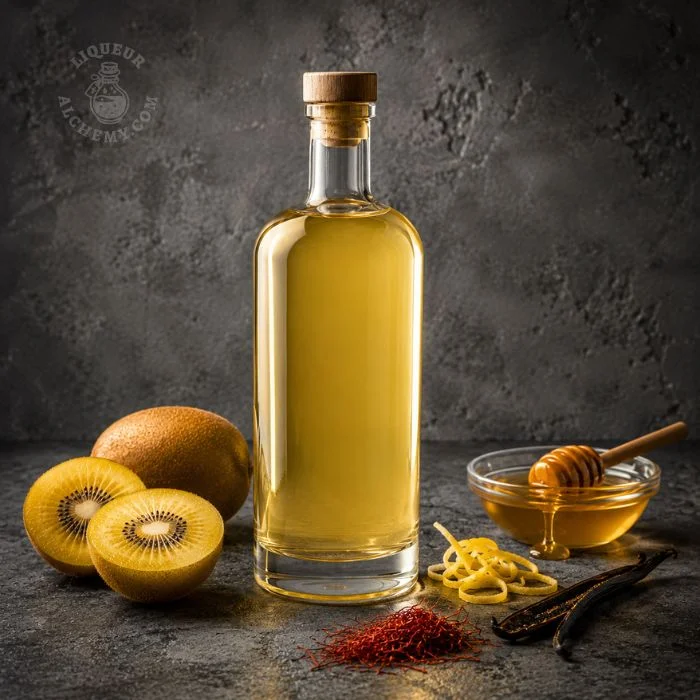
Kiwi (Golden)

Golden Kiwi: Tropical Sweetness for Bright Homemade Liqueurs

Golden kiwi brings a softer, sweeter tropical character than green kiwi, with gentle acidity, honeyed fruit notes, and a bright golden freshness. In liqueurs, it creates a smooth, juicy base that feels sunny, rounded, and easy to balance with citrus, herbs, or warming spices. Its delicate aroma works best with clean spirits and moderate sweetness, producing a refreshing infusion with a soft exotic edge and a naturally vibrant fruit profile.

Kiwi (Golden)

Home / Ingredients / Fruits / Kiwi (Golden)

Kiwi (Golden) Flavor Profile

Sweet, juicy, tropical, lightly tangy, honeyed, mellow, fresh, golden, aromatic, soft.
Kiwi (Golden) Impact on Liqueurs

Golden kiwi gives liqueurs a smooth tropical fruit body, gentle acidity, and a bright golden freshness. It softens sharper spirits, adds natural sweetness, and pairs well with citrus, vanilla, mint, and delicate spices for fresh, modern infusions.

How to Use Kiwi (Golden)?

Use ripe golden kiwi for the best sweetness and aroma. Peel before infusion to avoid bitter or grassy notes from the skin. Slice or mash lightly to improve extraction, but avoid over-crushing if you want better clarity. Infuse gently and taste regularly, as golden kiwi can lose brightness if left too long.

Kiwi (Golden) Pairing Suggestions

Vodka, White Rum, Gin, Cane Sugar, Honey, Lemon, Lime, Vanilla, Mint, Saffron
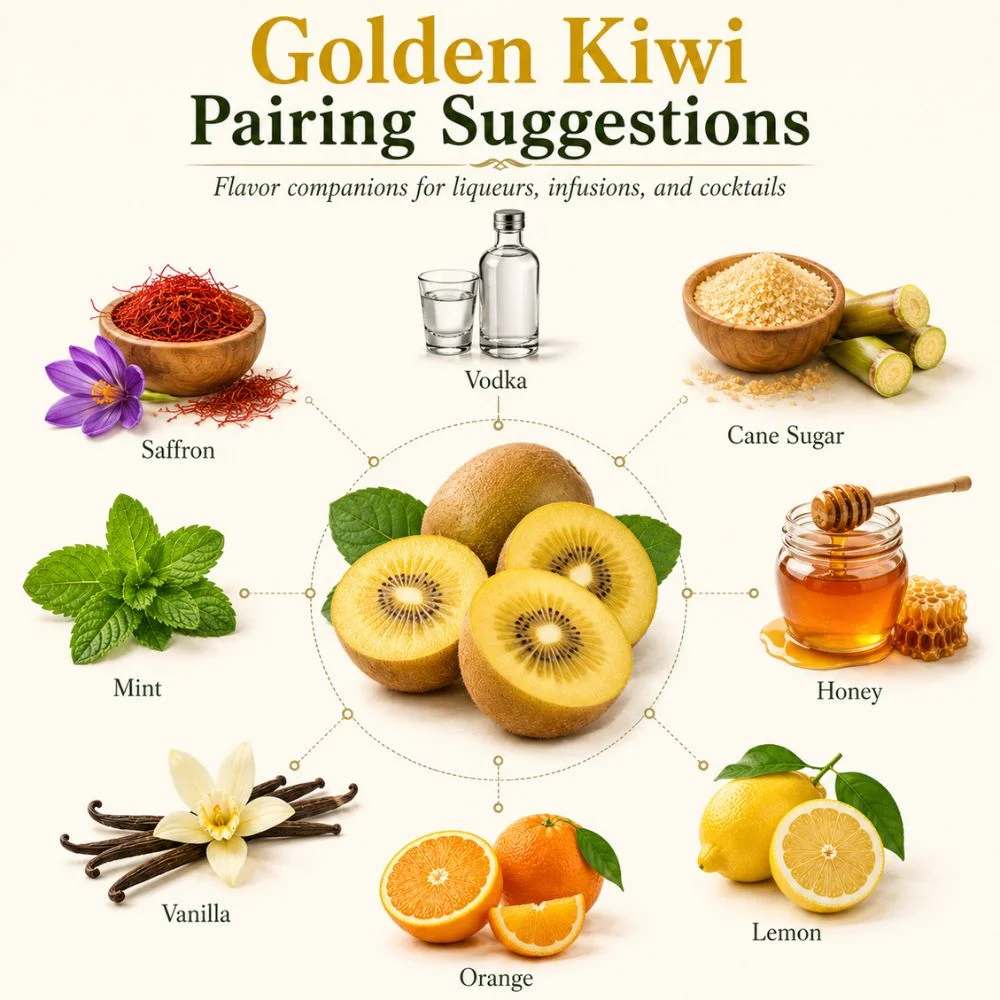
Kiwi (Golden) pairing suggestions for liqueur making

Kiwi (Golden) FAQ


Golden kiwi pulp behaves very differently from firm fruits such as apple, pear, or quince because it softens quickly once alcohol and sugar begin drawing juice from the flesh. The fruit contains tender pulp, small seeds, and a high moisture level, so it releases flavor rapidly but also breaks down easily. In liqueur making, this gives a bright tropical aroma early in the infusion, but it can also create a cloudy texture if the fruit is crushed too much or left for too long.

Compared with firmer fruits, golden kiwi needs gentler handling. Firm fruits usually keep their structure during maceration and can sit in alcohol for longer periods without turning mushy. Golden kiwi, on the other hand, can collapse into the liquid and form fine sediment. This sediment is not dangerous, but it can make filtering slower and may give the finished liqueur a thicker, pulpy appearance.

For the best result, slice peeled golden kiwi rather than blending or mashing it. Use a moderate infusion time, strain carefully, and allow the liqueur to settle before final filtering. This preserves the fruit’s sunny sweetness and soft tropical character while keeping the drink cleaner, smoother, and easier to polish.

Good substitutes for golden kiwi should offer a similar mix of tropical sweetness, soft acidity, and juicy aroma. Ripe mango, yellow peach, apricot, persimmon, and pineapple can all work, although each changes the final liqueur in a different direction. Mango gives a richer, creamier tropical note, peach makes the drink softer and more floral, apricot adds a golden stone-fruit character, and persimmon brings mellow honeyed sweetness.

For the closest balance, mango and yellow peach are often the easiest substitutes because they keep the liqueur smooth and approachable without adding too much sharpness. Pineapple is brighter and more acidic, so it may need less citrus or less added acid in the recipe. Apricot is more aromatic and slightly tangy, which can make the liqueur feel more elegant but less distinctly tropical than golden kiwi.

When substituting, adjust sugar and citrus carefully rather than copying the original recipe exactly. Golden kiwi has a gentle, rounded flavor, so stronger fruits can dominate quickly. Start with a similar fruit weight, taste during maceration, and balance with vodka, cane sugar, honey, lemon, or vanilla depending on the character you want.

Golden kiwi usually needs a relatively short infusion compared with dense fruits. A typical maceration window is around five to ten days, depending on fruit ripeness, alcohol strength, slice thickness, and the desired intensity. The fruit releases aroma quickly, so a long steep is rarely necessary. After the first few days, the liqueur should already show tropical sweetness, gentle acidity, and a soft golden fruit note.

Bitterness can appear when the fruit is left too long, when peel is included, or when the pulp breaks down heavily in strong alcohol. Golden kiwi itself is not aggressively bitter, but over-extraction from skin, seeds, and degraded pulp can make the finish less clean. Long maceration can also create a cooked or dull fruit impression rather than a fresh, bright character.

Taste the infusion every couple of days after day four. When the aroma feels rounded and the spirit has absorbed enough fruit flavor, strain it rather than waiting for a fixed date. Resting the strained liqueur for one to two weeks often improves harmony more than leaving the fruit in longer. This gives a cleaner, smoother golden kiwi liqueur.

Golden kiwi liqueur becomes overly cloudy or pulpy when the fruit is crushed, blended, overripe, or left in the alcohol for too long. The flesh is naturally soft and breaks apart quickly during maceration. Once the pulp disintegrates, tiny particles spread through the liquid and can be difficult to remove with ordinary straining. This does not mean the liqueur has failed, but it can make the texture less elegant.

Another common mistake is squeezing the fruit strongly during straining. Pressing the pulp may extract more liquid, but it also forces fine solids into the liqueur. Using unpeeled fruit can add extra haze and bitterness because the skin contributes tannins and rougher flavors. Very ripe golden kiwi may taste delicious fresh, but in alcohol it can collapse faster and create more sediment.

To avoid cloudiness, use ripe but not mushy fruit, peel it, slice it neatly, and let alcohol extract the flavor without aggressive mixing. Strain gently through a sieve first, then allow the liquid to settle before filtering through finer material. Patience is often the best clarification tool for golden kiwi liqueurs.

Golden kiwi brings a sunny, tropical, and gently honeyed flavor profile to homemade liqueurs. It is softer and sweeter than green kiwi, with less sharpness and a more rounded fruit character. The taste can suggest ripe melon, mango, pear, citrus blossom, and mild pineapple, depending on ripeness and the ingredients used around it. This makes it especially suitable for smooth vodka liqueurs and bright summer-style infusions.

In alcohol, golden kiwi gives a mellow fruit body rather than a powerful punch. Its aroma is attractive but delicate, so it benefits from clean spirits and careful pairings. Vodka allows the fruit to remain central, while light rum can push the flavor toward a warmer tropical profile. Honey, cane sugar, vanilla, lemon, orange, mint, and saffron all pair well because they support sweetness, freshness, color, or aromatic lift.

The final impact is usually smoothness, softness, and easy drinkability. Golden kiwi does not create a heavy or tannic liqueur unless mishandled. Used well, it produces a fresh golden drink with gentle acidity, rounded sweetness, and an inviting tropical finish.
Kiwi (Golden)
Kiwi (Golden) in Liqueur Crafting

More Fruits


LIQUEUR ALCHEMY TOOLS & RESOURCES


Design labels in minutes—beautiful, practical, and ready to print. Choose a tool below to generate bottle or ingredient labels that match your Liqueur Alchemy workflow.
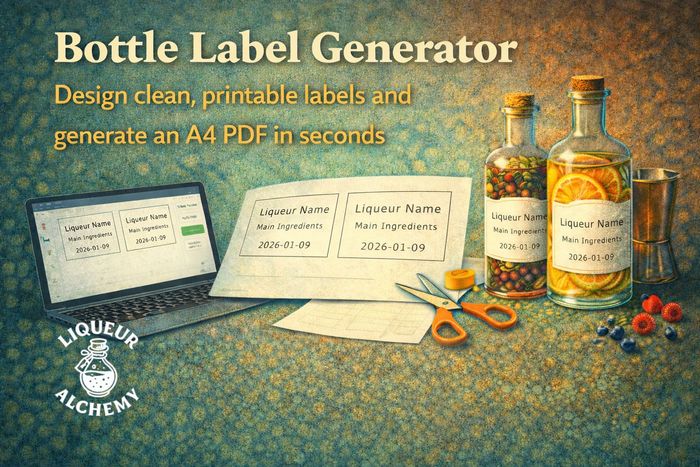
Bottle Label Generator preview

Bottle Label Generator

Create clean bottle labels with your liqueur name, batch details, date — ready for printing and gifting.
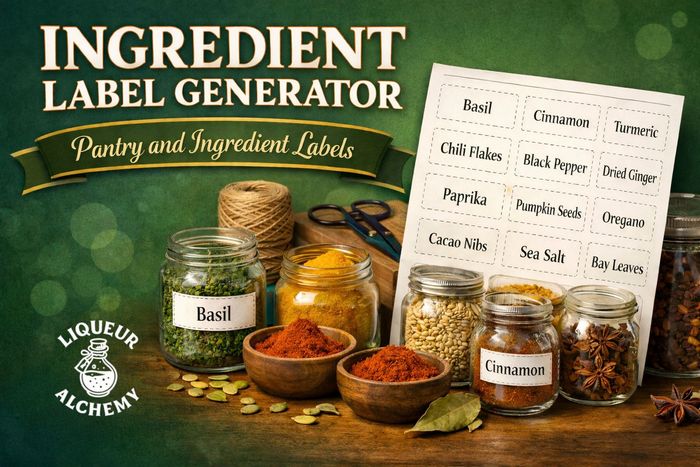
Ingredient Label Generator preview

Ingredient Label Generator

Label jars, containers, and storage bags to maintain clear organization from preparation through infusion and serving.
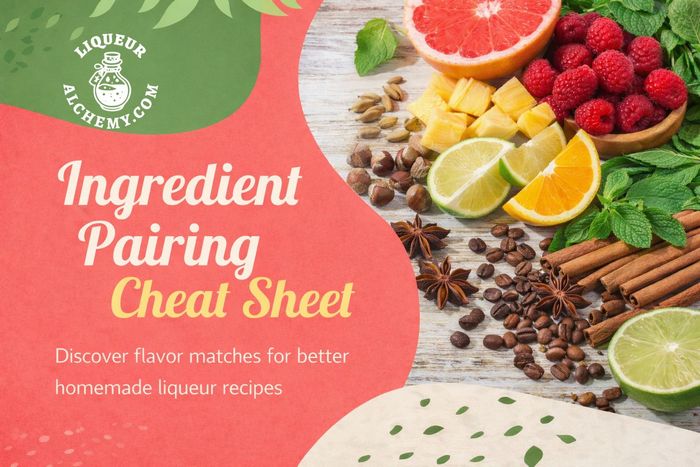
Ingredient pairing cheat sheet for creating balanced homemade liqueurs

Ingredient Pairing Cheat Sheet

Discover flavor combinations that create balanced, complex, and unique homemade liqueurs.