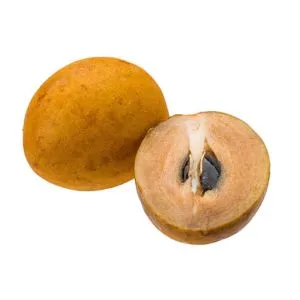
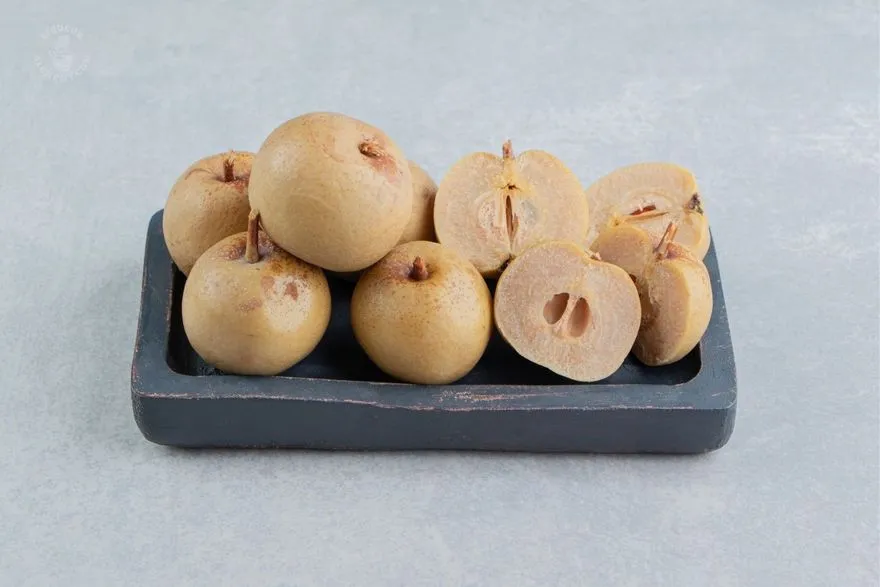
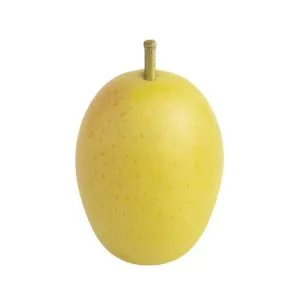
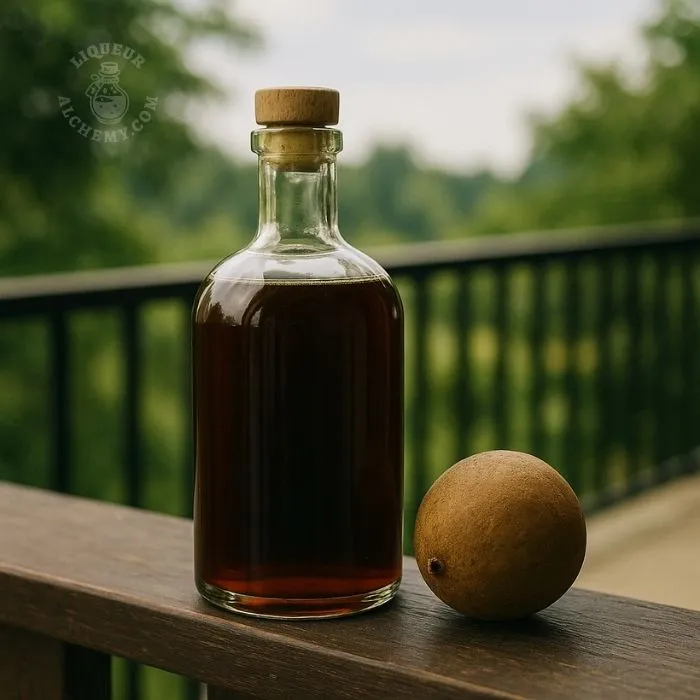
Chikoo

Chikoo for Liqueur Infusions – Flavor & Pairing Tips

Chikoo, or sapodilla, offers creamy sweetness with notes of caramel and pear. Its tropical flavor and silky texture bring comfort and depth, harmonizing with cacao, spice, or vanilla-based liqueurs.

Chikoo

Home / Ingredients / Fruits / Chikoo

Chikoo Flavor Profile

Malty caramel sweetness, pear-brown sugar notes, soft tropical warmth.

Chikoo Impact on Liqueurs

Adds creamy, caramel-like richness, making liqueurs feel dessert-forward and comforting.

How to Use Chikoo?

Use ripe fruit, chopped; 400–600 g per 1 L. Infuse 3–5 weeks in rum or vodka.

Chikoo Pairing Suggestions

Rum, Cane Sugar, Cacao, Vanilla, Cinnamon, Coffee, Clove, Honey
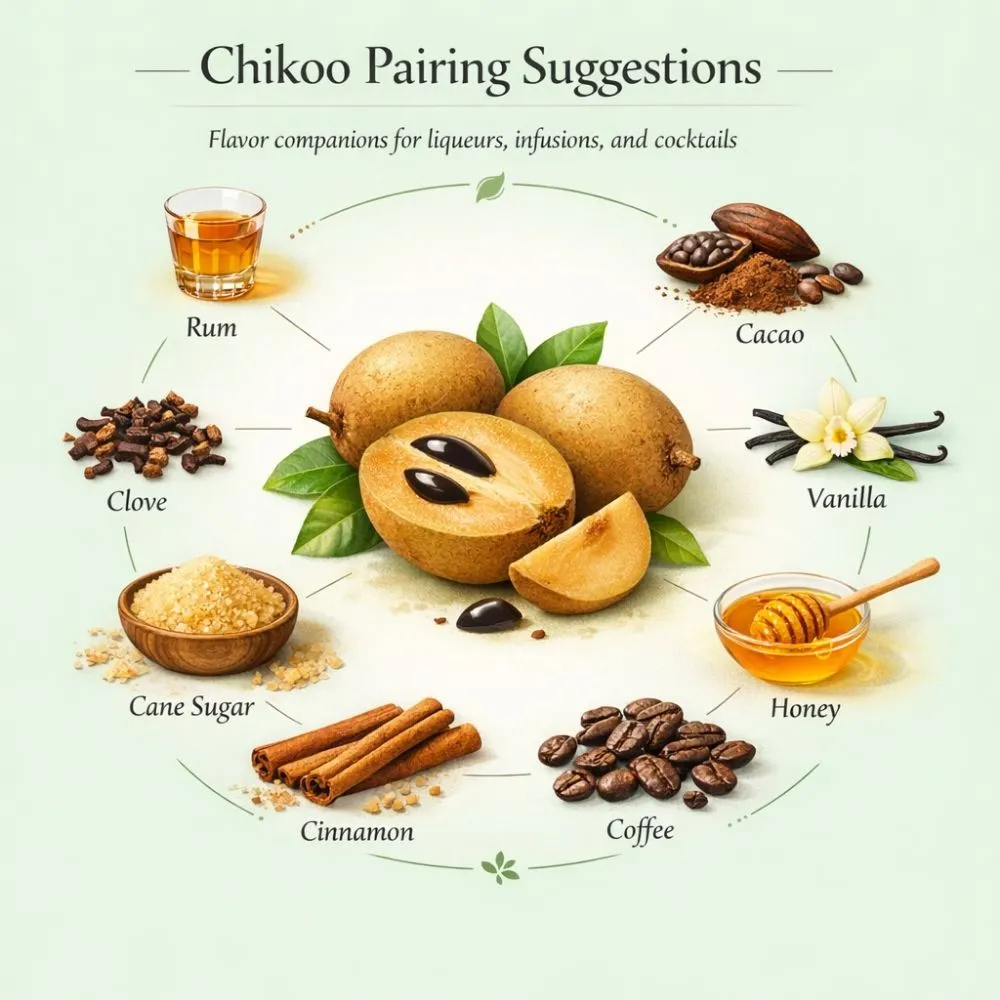
Chikoo pairing suggestions for liqueur making

Chikoo FAQ


Use chikoo that’s fully ripe and fragrant—soft enough to yield to gentle pressure, but not fermented. Underripe fruit tastes starchy and dull; overripe can go “winey” fast. Peel, remove seeds, and cut into chunks (avoid blending) to keep filtration manageable.

Chikoo is rich, brown‑sugar and pear-like, so it extracts well at 40–50% ABV. Start tasting at day 4 and strain between days 7–12 for a clean profile. Longer contact tends to add muddy notes and thick texture from pulp.

Common mistakes: low ABV, warm storage during maceration, and squeezing the pulp through filters. Sweeten after straining and consider a tiny pinch of salt to sharpen caramel notes. For substitutions, brown sugar or jaggery syrup can enhance the natural “molasses” vibe, but add slowly so it doesn’t overwhelm the fruit.

Vodka is the cleanest choice if you want chikoo to taste like pure caramel-pear fruit. Light rum adds a natural brown-sugar echo that matches sapodilla beautifully, while brandy pushes it toward baked fruit and toffee. Choose based on your target: bright fruit (vodka), dessert‑rum (rum), or “winter sipper” (brandy).

Extraction and timing are similar: 40–50% ABV, 7–12 days, taste early. With rum or brandy, keep spices minimal because the base already brings complexity; a tiny vanilla note is usually enough. Sweeten after straining and let it rest 2–3 weeks to integrate.

Common mistakes: using heavy spiced rum (double-spicing), or very oaky brandy that masks chikoo’s gentle aroma. If you only have darker rum, blend it with vodka 50/50 to keep the profile lighter. Store cool and dark; rum/brandy versions age a bit better than vodka versions.

Several factors influence the extraction of chikoo when crafting liqueurs. The ripeness of the fruit is crucial; overripe chikoo can lead to excessive sweetness, while underripe may not impart enough flavor. Selecting the right stage of ripeness ensures a balanced extraction.

Temperature also plays a significant role in the extraction process. Warmer temperatures can speed up the release of flavors and sugars, but care must be taken to avoid fermentation. A controlled environment, such as a cool dark place, is ideal for steeping.

Lastly, the alcohol content of the base spirit affects extraction efficiency. Higher alcohol levels can extract more flavor compounds, but too high a concentration may overpower the delicate notes of the chikoo. A balance is essential for the best results.

Yes, you can replace chikoo with other fruits like mango or avocado for a unique twist. Mango provides a tropical sweetness that can enhance the overall flavor of your liqueur, making it vibrant and refreshing.

Avocado is another interesting substitute, as it offers a creamy texture similar to chikoo. While the flavor is different, it can create a rich mouthfeel that pairs well with various spirits.

Keep in mind that each substitute will alter the final taste of your liqueur, so experiment to find the balance that suits your palate best. Adjusting the sweetness may also be necessary depending on your chosen fruit.

The amount of chikoo to use in your liqueur recipe can vary based on the desired sweetness and flavor intensity. A general guideline is to use about 100 to 200 grams of chikoo per liter of base spirit.

It's important to adjust the quantity based on the ripeness of the fruit. Riper chikoo will impart more sweetness and flavor, so you may want to start with a smaller amount and taste as you go.

Keep in mind that the flavor will intensify during the maceration process. Therefore, starting conservatively allows you to achieve a well-balanced liqueur without overwhelming sweetness.
Chikoo
Chikoo in Liqueur Crafting

More Fruits


RELATED RECIPES OF LIQUEUR ALCHEMY


Explore more creations from Liqueur Alchemy that share similar flavours, techniques, or ingredients. These related recipes offer fresh ideas and inspired combinations to help you craft your next bold, homemade spirit.

LIQUEUR ALCHEMY TOOLS & RESOURCES


Design labels in minutes—beautiful, practical, and ready to print. Choose a tool below to generate bottle or ingredient labels that match your Liqueur Alchemy workflow.
Bottle Label Generator preview

Bottle Label Generator

Create clean bottle labels with your liqueur name, batch details, date — ready for printing and gifting.
Ingredient Label Generator preview

Ingredient Label Generator

Label jars, containers, and storage bags to maintain clear organization from preparation through infusion and serving.
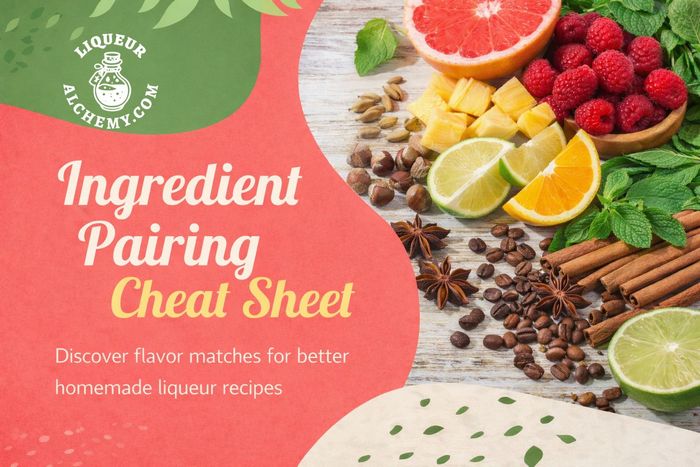
Ingredient pairing cheat sheet for creating balanced homemade liqueurs

Ingredient Pairing Cheat Sheet

Discover flavor combinations that create balanced, complex, and unique homemade liqueurs.