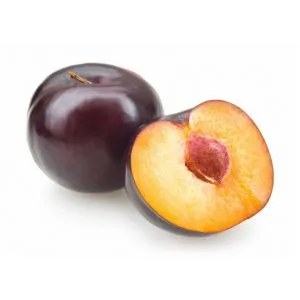
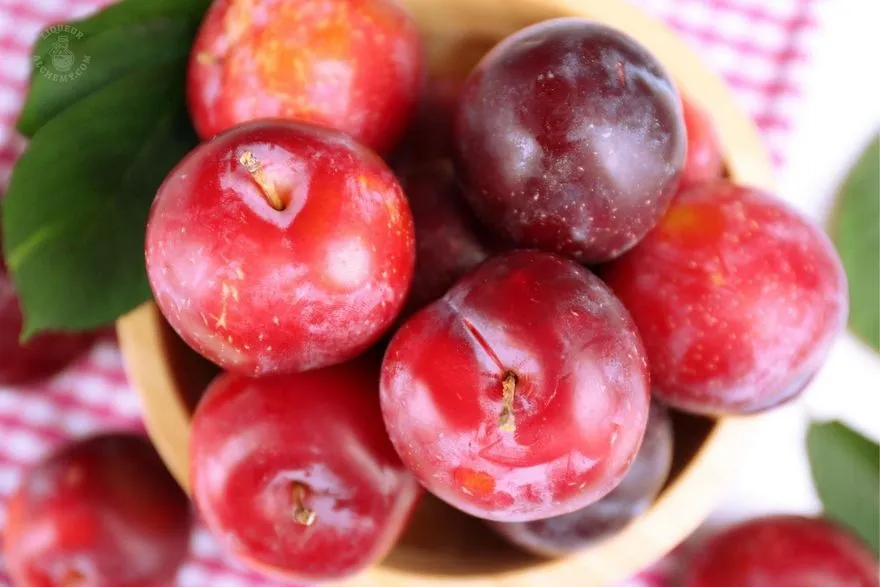
Plum (Japanese)

Plum (Japanese) for Liqueur Infusions – Flavor & Pairing Tips

Japanese plums introduce a refined sweet-tart character with gentle floral and almond-like notes, reminiscent of traditional plum infusions. Their flavor combines freshness with subtle depth, creating liqueurs that feel both nostalgic and elegant. The natural acidity brightens sweetness, while the fragrance adds a soft perfume. Japanese plums pair beautifully with citrus, shiso, ginger, or delicate spices, producing balanced, graceful liqueurs with a lingering, poetic finish.

Plum (Japanese)

Home / Ingredients / Fruits / Plum (Japanese)

Plum (Japanese) Flavor Profile

Sweet-tart stone fruit with almond-like depth and gentle acidity.

Plum (Japanese) Impact on Liqueurs

Adds rich fruit body and balanced tartness.

How to Use Plum (Japanese)?

Use halved fruit, pitted; 500–800 g per 1 L. Infuse 4–8 weeks in vodka or brandy.

Plum (Japanese) Pairing Suggestions

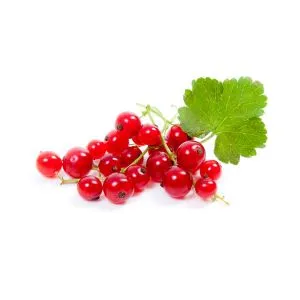
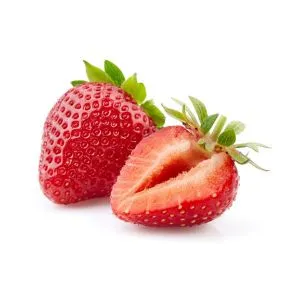
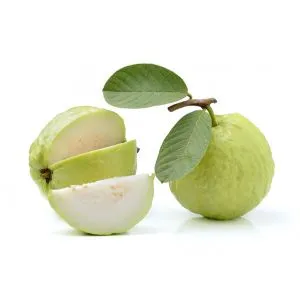
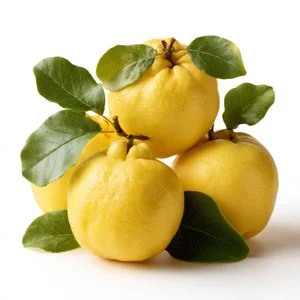
Vodka, Cane Sugar, Ginger, Cherry, Almond, Cinnamon, Vanilla, Honey
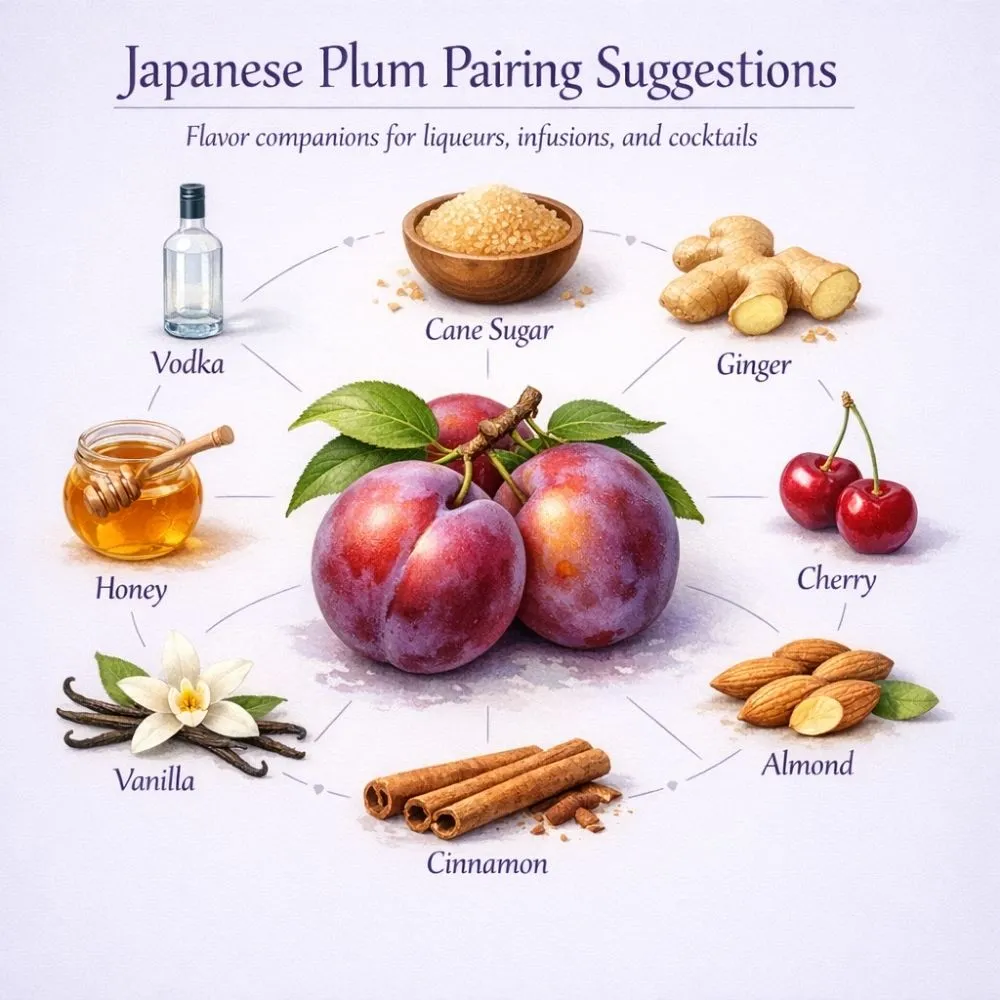
Plum (Japanese) pairing suggestions for liqueur making

Plum (Japanese) FAQ


Japanese plums (often more tart and aromatic than some European varieties) are excellent for liqueur because they bring bright stone-fruit acidity and perfume. Keep skins on for color and aroma, but avoid crushing them into mush—too much skin contact for too long can add bitterness and tannin.

Use 40–50% ABV and start tasting at day 5. Many plum infusions peak around 2–4 weeks, depending on ripeness and cut size. Halve and pit the plums; if you want a faint almond note, you can add a few cracked pits only if you’re confident in controlled, short contact—otherwise skip pits for safety and consistency.

Common mistakes include using underripe plums (thin, sharp), leaving fruit too long (compote notes), and oversweetening. Flavor impact should be tart, juicy, and slightly floral; vanilla or a tiny cinnamon note can round it. Store cool and dark; plum liqueurs often improve after a month of rest.

Vodka gives the clearest plum expression and keeps the profile bright and tart. Brandy adds baked-fruit depth and makes it feel richer and rounder—great for sipping. Shochu (if you have it) can be a beautiful middle ground: softer than vodka and less oaky than brandy, letting plum aroma stay delicate.

Extraction: 40–50% ABV, 2–4 weeks, taste weekly. With brandy, keep sweetening slightly lower at first—brandy reads sweeter and can become cloying. With vodka/shochu, a small acid lift can make plum pop.

Common mistakes include using heavily oaked spirits that mask plum and adding strong spices early. Flavor impact should be tart stone fruit with floral lift; minimal vanilla is usually enough. Store cool and dark; plum ages nicely and integrates over time.

Several factors can influence the extraction behavior of Japanese plums when making liqueur. The ripeness of the fruit plays a significant role; fully ripe plums tend to yield more sugars and flavors, while underripe plums may impart a sharper taste. Selecting the right fruit is essential for achieving the desired flavor balance.

The choice of alcohol base also affects extraction. Higher-proof spirits can extract flavors more efficiently than lower-proof options, resulting in a more robust liqueur. Additionally, the temperature during extraction can impact the speed and quality of flavor release, with warmer temperatures typically accelerating the process.

Finally, the duration of the extraction is crucial. A longer extraction time can lead to more intense flavors, but it may also introduce unwanted bitterness if left too long. Monitoring the extraction closely will help you achieve the perfect flavor profile for your liqueur.

Preparing Japanese plums for liqueur involves a few simple steps. Start by washing the plums thoroughly to remove any dirt or residues. It's essential to ensure they are clean to avoid contamination during the liqueur-making process.

Next, remove the pits from the plums. You can do this by cutting them in half and gently twisting to separate the flesh from the pit. This step is crucial as the pits can impart a bitter flavor to your liqueur if left intact.

Finally, you can slice or chop the plums according to your recipe. The size of the pieces can influence the extraction of flavors, so adjust based on your desired outcome.

For a non-fruit substitute, consider using fruit-flavored liqueurs like peach schnapps or apricot brandy. These can impart similar fruity notes to your liqueur while maintaining the essence of Japanese plum. Just adjust the sweetness accordingly to balance the flavors.

You could also explore using flavored syrups, such as plum or cherry syrup. These syrups can provide the desired sweetness and flavor without the need for fresh fruit. Be mindful of the syrup's sugar content to ensure it doesn't overpower your liqueur.

Lastly, consider incorporating herbal infusions like chamomile or lemon verbena. While they won't replicate the fruitiness, they can add a unique aromatic layer that complements the overall profile of your liqueur, creating an interesting twist.
Plum (Japanese)
Plum (Japanese) in Liqueur Crafting

More Fruits


LIQUEUR ALCHEMY TOOLS & RESOURCES


Design labels in minutes—beautiful, practical, and ready to print. Choose a tool below to generate bottle or ingredient labels that match your Liqueur Alchemy workflow.
Bottle Label Generator preview

Bottle Label Generator

Create clean bottle labels with your liqueur name, batch details, date — ready for printing and gifting.
Ingredient Label Generator preview

Ingredient Label Generator

Label jars, containers, and storage bags to maintain clear organization from preparation through infusion and serving.

Ingredient pairing cheat sheet for creating balanced homemade liqueurs

Ingredient Pairing Cheat Sheet

Discover flavor combinations that create balanced, complex, and unique homemade liqueurs.