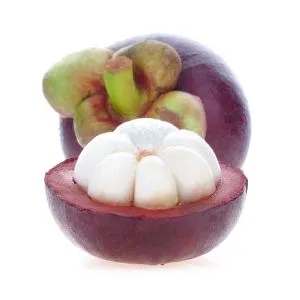
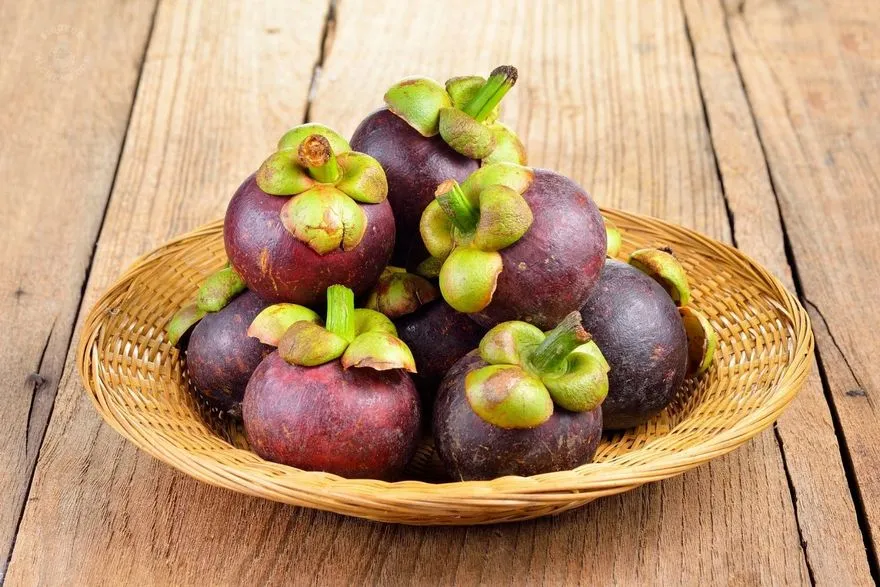
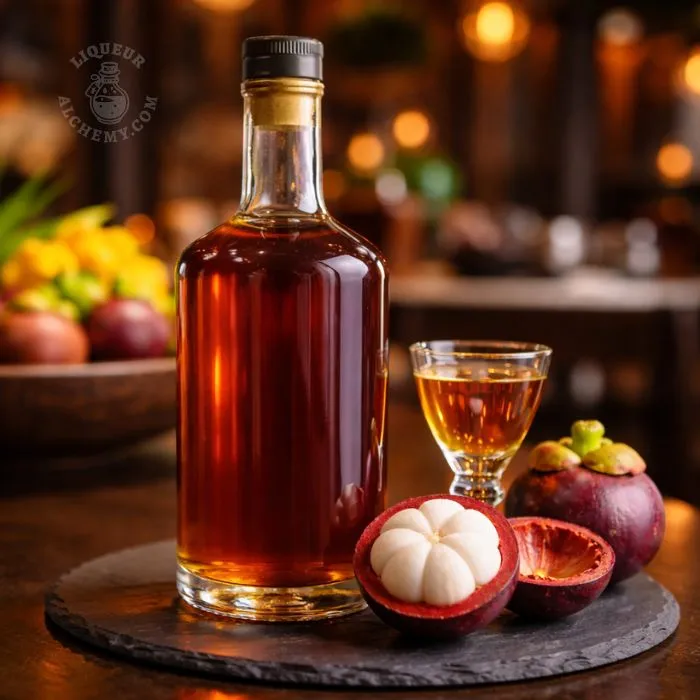
Mangosteen

Mangosteen for Liqueur Infusions – Creamy Tropical Flavor & Pairings

Mangosteen offers a delicate blend of creamy sweetness, gentle acidity, and soft floral notes that make liqueurs feel plush and refined. Its flavor is subtle yet distinctive, with a clean tropical character that pairs beautifully with vanilla, citrus zest, and light spices. Use ripe segments and avoid bitter rind contact to keep the infusion smooth. Vodka highlights its clarity, while light rum or brandy adds warm depth without overpowering the fruit.

Mangosteen

Home / Ingredients / Fruits / Mangosteen

Mangosteen Flavor Profile

Creamy tropical sweetness, soft floral aroma, mild tang, clean fruity finish.
Mangosteen Impact on Liqueurs

Builds a smooth, elegant fruit base, adding roundness and a premium tropical character.

How to Use Mangosteen?

Use ripe peeled segments; 500–800 g per 1 L. Infuse 2–4 weeks in vodka or light rum; strain gently.

Mangosteen Pairing Suggestions

Vodka, Cane Sugar, Lime, Vanilla, Coconut, Lychee, Honey, Ginger
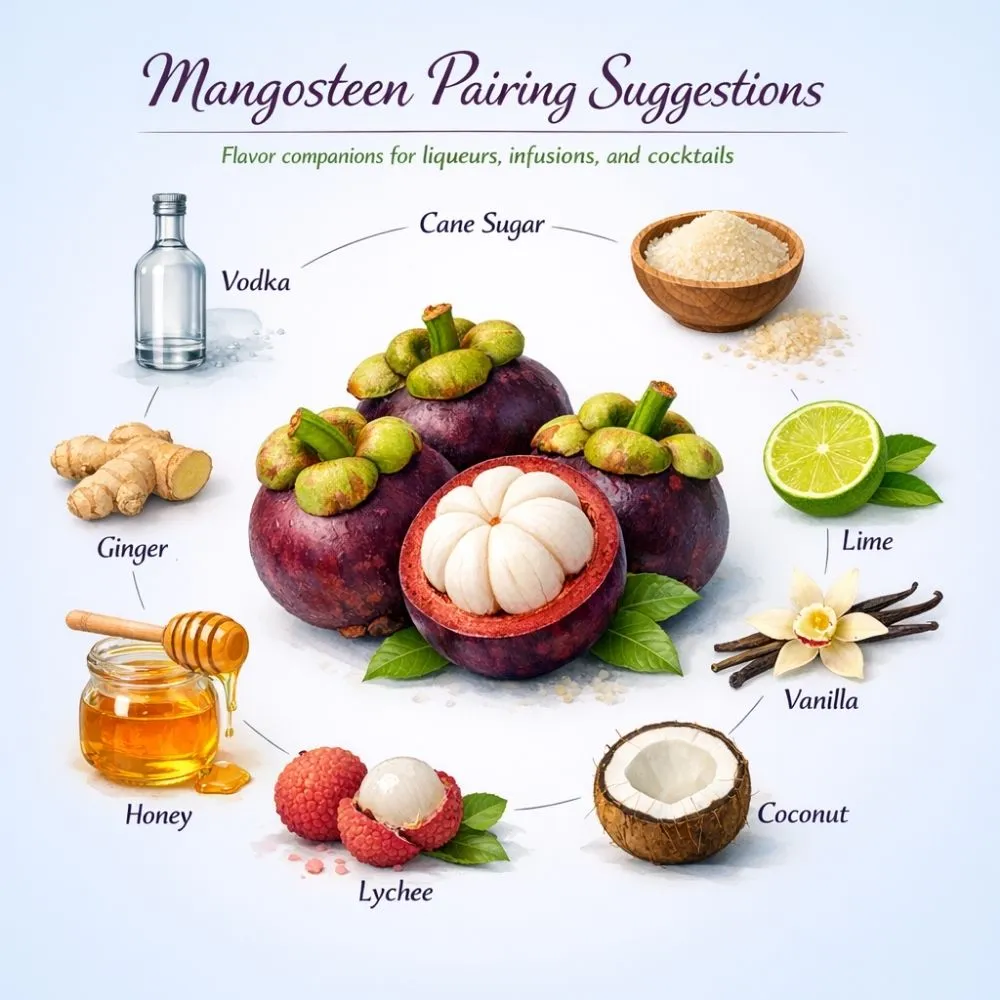
Mangosteen pairing suggestions for liqueur making

Mangosteen FAQ


Mangosteen flesh is delicate, floral, and sweet-tart; the purple rind is very tannic and can overwhelm with bitterness. For most liqueurs, use the white flesh only. Remove any rind fragments and infuse at 40–50% ABV, tasting from day 2–3.

Timing: many mangosteen infusions peak around 7–14 days. Dosage: 400–900 g flesh per liter depending on intensity. Strain gently, cold-settle 1–3 days, then fine filter if desired. Sweeten after straining.

Common mistakes include adding rind “for color,” over-steeping, and squeezing pulp during straining. Flavor impact should be elegant floral fruit, not woody bitter. Store cool and dark; mangosteen top notes are delicate.

Vodka is the safest base because it preserves mangosteen’s delicate floral notes. A light brandy can work for a richer style, but avoid heavy oak. For sweetener, simple sugar gives the cleanest result; honey can be lovely but can mask the subtle floral top notes if used heavily.

Infuse, strain, then sweeten gradually while tasting. A tiny citrus lift (a short lime zest infusion) can make mangosteen feel brighter without adding bitterness.

Common mistakes include using strongly flavored rum or over-sweetening. Flavor impact should be elegant, tropical, and perfumed. Store cool and dark; smaller bottles help once opened.

Several factors influence the extraction of mangosteen when making liqueurs. The choice of alcohol, such as vodka or gin, can significantly affect the flavor profile, as different spirits extract various compounds. Additionally, the alcohol content plays a role; higher proof spirits may extract more intense flavors more quickly.

The preparation of the mangosteen also matters. Using fresh fruit versus dried can lead to different extraction outcomes. Fresh mangosteen tends to have a more vibrant flavor, while dried versions may provide a more concentrated sweetness. Cutting the fruit into smaller pieces can also enhance the extraction efficiency.

Lastly, the duration of the extraction process is crucial. A longer extraction time can deepen the flavor, but over-extraction may lead to bitterness. Regular tasting during the process will help achieve the perfect balance for your liqueur.

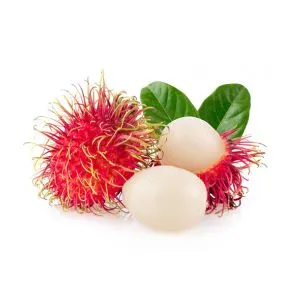
Yes, you can use rambutan as a substitute for mangosteen. Its sweet and slightly acidic flavor closely resembles that of mangosteen, making it a suitable replacement in liqueur recipes.

Another option is the use of sapodilla, which has a sweet, malty flavor that can mimic the rich sweetness of mangosteen. This fruit can add depth to your liqueur while maintaining a unique character.

Lastly, consider using guava, which offers a tropical sweetness and aromatic qualities. Guava can enhance the flavor profile of your liqueur, providing a refreshing alternative to mangosteen.

One mistake to avoid is using unripe mangosteen, as it lacks the sweetness and flavor complexity that ripe fruit provides. Always select fully ripe mangosteen for the best results in your liqueur.

Another pitfall is neglecting to balance the sweetness of the mangosteen with other ingredients. This fruit is naturally sweet, so it's crucial to adjust the sugar levels accordingly to prevent an overly sweet liqueur.

Lastly, don’t rush the fermentation process. Mangosteen requires time to develop its flavors fully. Skipping this step can lead to a flat and uninteresting liqueur that doesn't showcase the fruit's unique characteristics.
Mangosteen
Mangosteen in Liqueur Crafting

More Fruits


RELATED RECIPES OF LIQUEUR ALCHEMY


Explore more creations from Liqueur Alchemy that share similar flavours, techniques, or ingredients. These related recipes offer fresh ideas and inspired combinations to help you craft your next bold, homemade spirit.

LIQUEUR ALCHEMY TOOLS & RESOURCES


Design labels in minutes—beautiful, practical, and ready to print. Choose a tool below to generate bottle or ingredient labels that match your Liqueur Alchemy workflow.
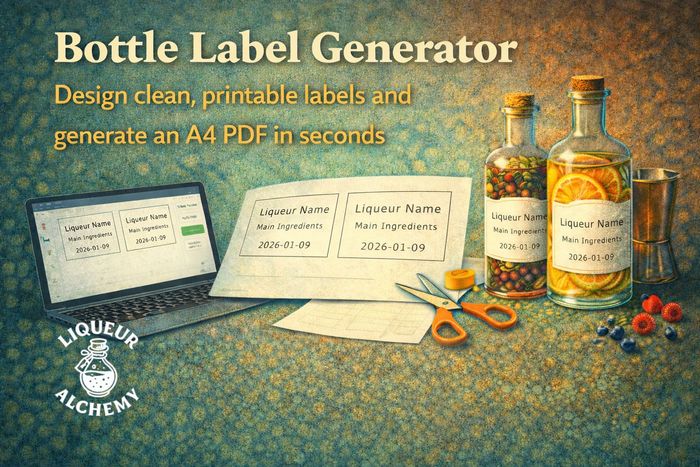
Bottle Label Generator preview

Bottle Label Generator

Create clean bottle labels with your liqueur name, batch details, date — ready for printing and gifting.
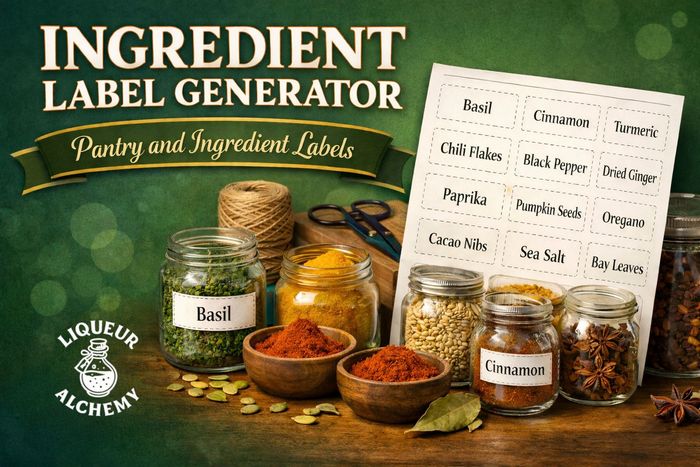
Ingredient Label Generator preview

Ingredient Label Generator

Label jars, containers, and storage bags to maintain clear organization from preparation through infusion and serving.
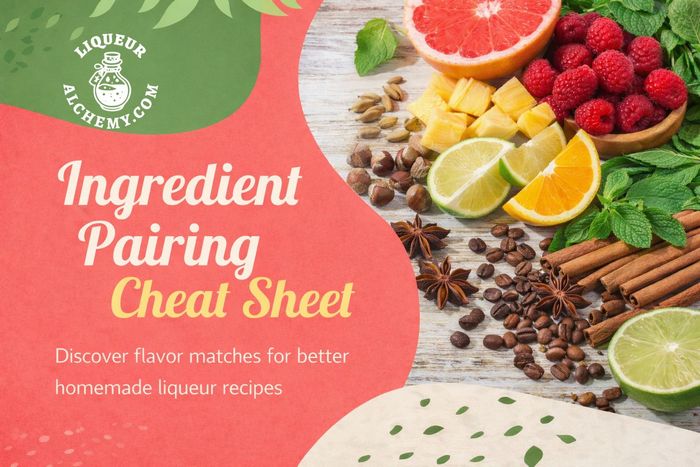
Ingredient pairing cheat sheet for creating balanced homemade liqueurs

Ingredient Pairing Cheat Sheet

Discover flavor combinations that create balanced, complex, and unique homemade liqueurs.