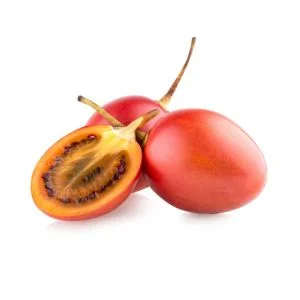
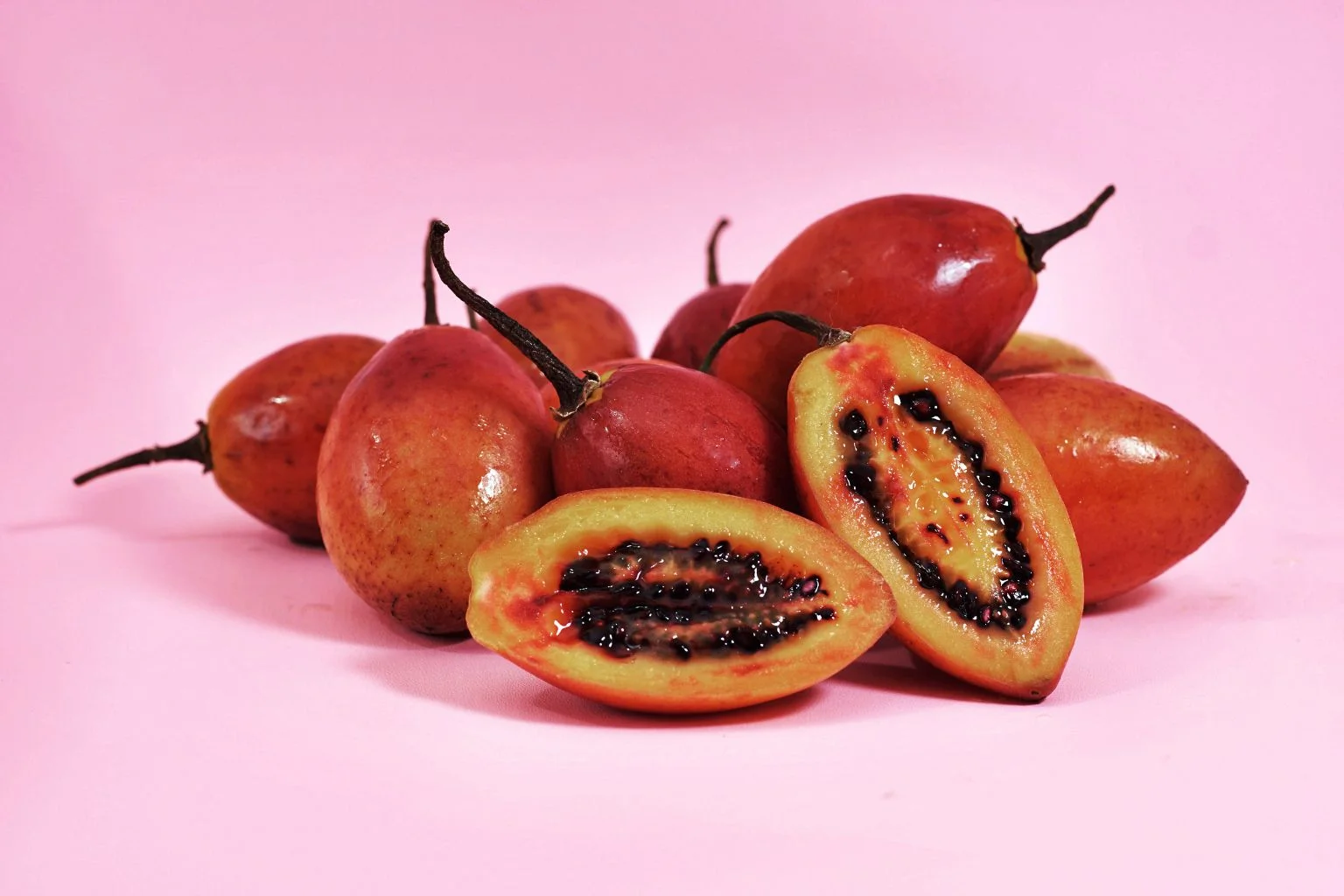
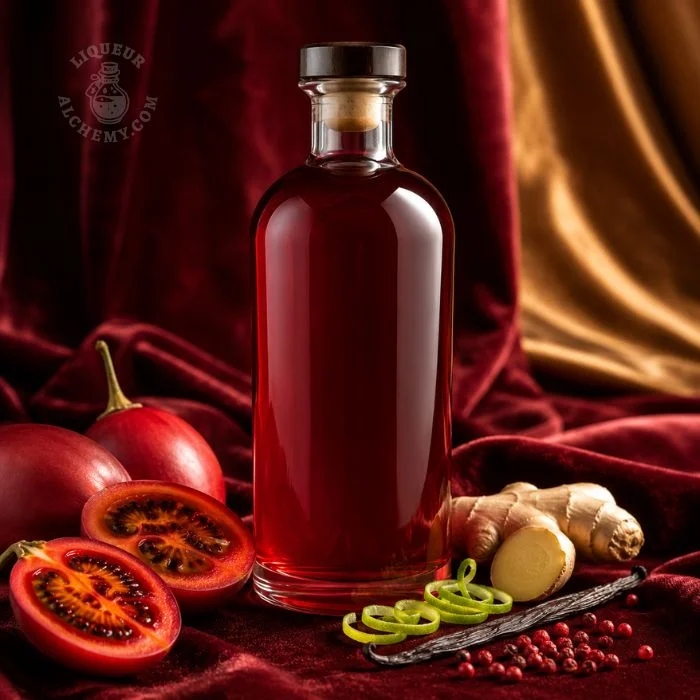
Tamarillo

Tamarillo in Liqueur Making: Tart Tropical Depth and Fresh Lift

Tamarillo is valued in liqueur making for its tart-sweet balance, vivid aroma, and unusual mix of red fruit, tomato-like freshness, and tropical sharpness. It creates distinctive infusions with bright acidity and layered depth, making homemade liqueurs feel more complex and contemporary. In recipes, tamarillo adds freshness, tangy fruit lift, and a lightly savory edge that can sharpen sweetness and prevent heavy finishes. It works especially well with citrus, ginger, vanilla, berries, honey, and clean spirits.

Tamarillo

Home / Ingredients / Fruits / Tamarillo

Tamarillo Flavor Profile

Tart, tangy, fruity, lightly tropical, vivid, and slightly savory with red-fruit notes and fresh acidity.

Tamarillo Impact on Liqueurs

Adds acidity, brightness, complexity, and a distinctive tart fruit edge that keeps liqueurs lively and less heavy.

How to Use Tamarillo?

Use ripe tamarillo with balanced sweetness and acidity, peel if needed for a cleaner profile, and avoid over-infusion to prevent bitterness or a dull vegetal edge. It works best with careful tasting and balanced sweetening.

Tamarillo Pairing Suggestions

Vodka, White Rum, Cane Sugar, Honey, Orange Zest, Ginger, Vanilla, Raspberry, Strawberry, Lime
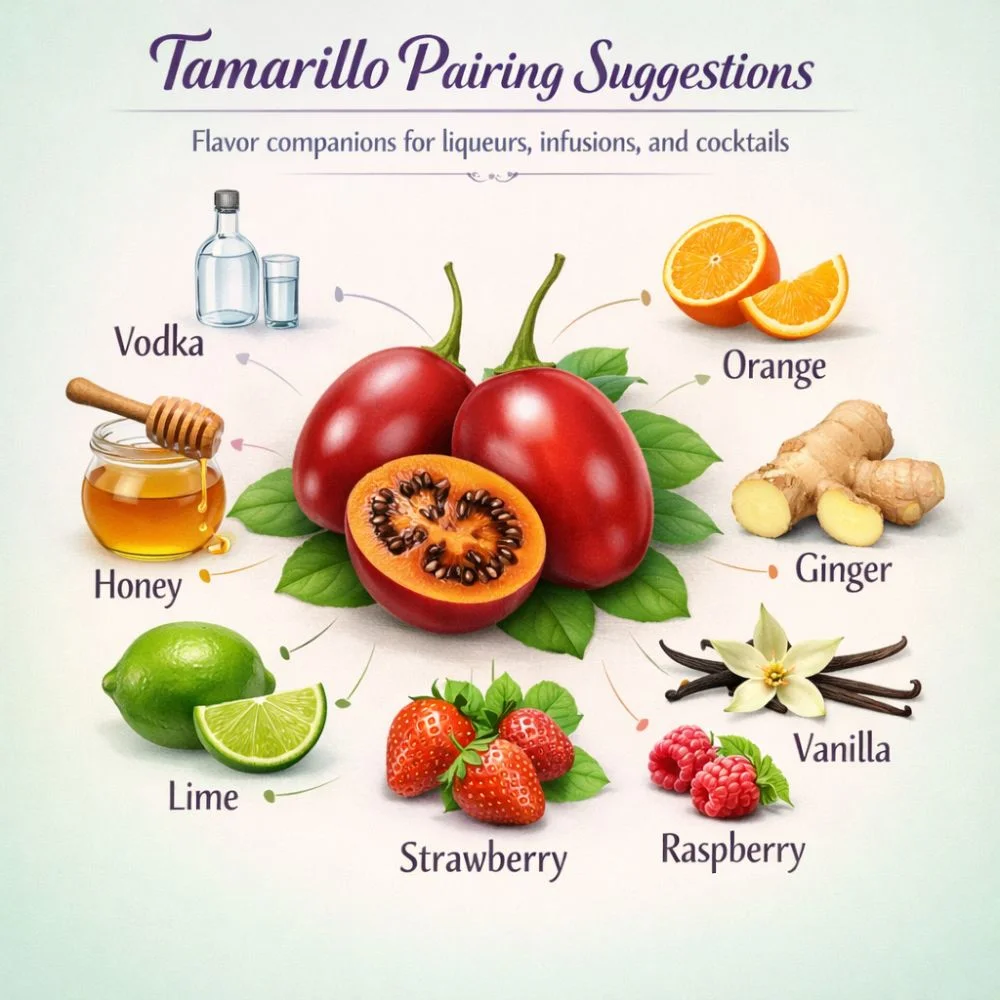
Tamarillo pairing suggestions for liqueur making

Tamarillo FAQ


Tamarillo behaves differently from many common liqueur fruits because it combines bright acidity, soft pulp, a lightly vegetal edge, and a tomato-like tartness that can come through quickly in alcohol. While berries often release sweet-fruity notes first and stone fruits usually give a rounder aroma, tamarillo tends to show its sharp, vivid character early in the infusion. Its skin, seeds, and flesh each contribute something slightly different, so extraction can feel less straightforward than with sweeter fruits such as plum or strawberry.

In practice, tamarillo often gives a fast first impression but not always a complete one. The top notes may appear within a few days, especially in higher-proof alcohol, but longer contact can begin pulling deeper tart, earthy, or slightly bitter tones from the fruit and skin. That means tamarillo can be very expressive, yet it also demands more tasting control than fruits that stay broadly sweet and mellow as they steep. Its balance can shift faster than expected.

For liqueur making, tamarillo is best treated as a fruit with strong personality rather than a neutral base ingredient. It can create a vibrant, exotic profile with remarkable freshness, but it benefits from careful timing and regular tasting. Compared with softer, more forgiving fruits, tamarillo rewards precision. Used well, it gives brightness, lift, and complexity. Left too long without attention, it can dominate the spirit with acidity and a slightly aggressive finish.

A substitute for tamarillo should ideally bring some combination of tartness, vivid fruit character, and a little aromatic complexity rather than simple sweetness alone. Good options include passion fruit for brightness, red currant for sharp fruit acidity, gooseberry for tart structure, and plum for a softer but still expressive base. In some recipes, a blend works better than a single substitute, especially when you want to capture both the tangy freshness and the depth that tamarillo can bring.

No substitute will reproduce tamarillo exactly because tamarillo has a distinctive crossover character that can feel fruity, tangy, slightly savory, and lightly floral at the same time. Gooseberry is often useful when you want a crisp, acidic fruit with some green notes. Passion fruit works well when the goal is an exotic, aromatic lift. Red currant or cranberry can help if the original recipe relies on brightness and color. Plum or apricot can be used if the aim is a fuller, softer liqueur inspired by tamarillo rather than a close match.

The best substitute depends on what tamarillo was doing in the original recipe. If it supplied acidity, choose something sharp and lively. If it provided a bold tropical-fruit impression, lean toward passion fruit or a mixed fruit approach. If it acted as a bridge between fruit and spice, gooseberry or tart plum may work better. The main rule is to adjust sweetness and acidity after tasting, because substitutes can mimic one part of tamarillo well while missing another. Treat substitution as rebalancing, not simple replacement.

The best time to add tamarillo is usually at the beginning of the main fruit infusion, especially when the goal is to capture its bright, fresh, and distinctive character directly into the spirit. Starting with tamarillo from day one allows the alcohol to pull both the aromatic fruit tones and the tart structural elements that define its personality. This works particularly well when the recipe is built around tamarillo as the central ingredient rather than as a supporting accent.

However, timing also depends on what else is in the jar. If a recipe includes strong spices, citrus peel, or botanicals, tamarillo may benefit from being added separately or later so its flavor does not get crowded too early. In some layered infusions, tamarillo is best infused first on its own, then blended with other extracts after tasting. That gives more control and helps prevent a situation where spice dominates the fruit before the maker has judged its natural intensity. Tamarillo is expressive enough to deserve its own monitoring.

For most homemade liqueurs, the safest method is to infuse tamarillo at the start in a simple base of spirit and fruit, then decide later when to introduce sugar or secondary ingredients. This lets the maker watch how the fruit develops and stop extraction at the right point. Tamarillo can become harsher if left too long without tasting, so early addition works best when paired with regular evaluation. In other words, add it early if it is the star, but keep the process flexible if the recipe is more complex.

One of the most common mistakes is assuming tamarillo behaves like a sweeter, softer fruit and leaving it to infuse without close monitoring. Tamarillo can move from bright and intriguing to too tart or slightly harsh in a relatively short time. Makers sometimes expect longer infusion to equal deeper fruitiness, but with tamarillo that extra time may pull unwanted bitterness or green notes. Another mistake is using fruit that is underripe, damaged, or lacking aroma, which often leads to a thin yet aggressive result.

A second frequent problem is poor preparation. Leaving too much skin, crushing the fruit into excessive pulp, or mixing tamarillo immediately with strong spices can make the infusion harder to control. Tamarillo needs a clean setup. If the fruit is overly mashed, the liqueur can become cloudy, seedy, and difficult to strain. If bold ingredients such as clove, cinnamon, or heavy citrus peel are added too early, the fruit may lose definition and the final liqueur can feel confused rather than layered. Strong partners should support tamarillo, not bury it.

Another mistake is adjusting sweetness too early without tasting the raw fruit infusion first. Sugar can hide sharpness for a while, which may cause the maker to miss extraction problems until the liqueur rests and the edges reappear. Tamarillo rewards patience, tasting, and a lighter hand. The best results come from ripe fruit, measured infusion time, modest handling, and thoughtful pairing. Most failures happen not because tamarillo is difficult, but because it is treated as easier and more forgiving than it really is.

Tamarillo gives a liqueur a profile that is bright, tart, and distinctive, often sitting somewhere between red fruit, tropical freshness, and a subtle savory edge. It does not behave like a simple sweet fruit. Instead, it adds structure and contrast. A well-made tamarillo liqueur can feel lively on the palate, with a kind of sharpened fruit expression that keeps the sweetness from becoming heavy. This makes it especially interesting for makers who want a fruit liqueur with personality rather than a soft, dessert-like finish.

Its impact is often strongest in the opening and mid-palate. The first impression can be juicy and aromatic, followed by brisk acidity and a slightly earthy or botanical undertone depending on how it was infused. This gives the spirit movement and complexity. Tamarillo can make a liqueur feel more modern and layered because it naturally introduces tension between freshness and depth. In some builds it even helps spices or citrus taste more vivid by giving them a sharper frame to sit in.

The final effect depends on how it is balanced. With careful sweetening, tamarillo becomes elegant, refreshing, and memorable. If badly handled, it may feel sour, thin, or too assertive. But when managed well, tamarillo can shape the entire identity of the liqueur, making it taste brighter, more exotic, and more structured than many fruit infusions. It is especially valuable in recipes that need lift, contrast, and a little edge. In that sense, tamarillo does not merely add flavor. It influences the whole architecture of the drink.
Tamarillo
Tamarillo in Liqueur Crafting

More Fruits


LIQUEUR ALCHEMY TOOLS & RESOURCES


Design labels in minutes—beautiful, practical, and ready to print. Choose a tool below to generate bottle or ingredient labels that match your Liqueur Alchemy workflow.

Bottle Label Generator preview

Bottle Label Generator

Create clean bottle labels with your liqueur name, batch details, date — ready for printing and gifting.

Ingredient Label Generator preview

Ingredient Label Generator

Label jars, containers, and storage bags to maintain clear organization from preparation through infusion and serving.

Ingredient pairing cheat sheet for creating balanced homemade liqueurs

Ingredient Pairing Cheat Sheet

Discover flavor combinations that create balanced, complex, and unique homemade liqueurs.