Pineapple

Pineapple for Liqueur Infusions – Flavor & Pairing Tips

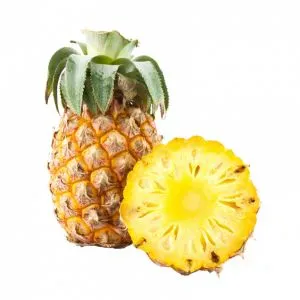
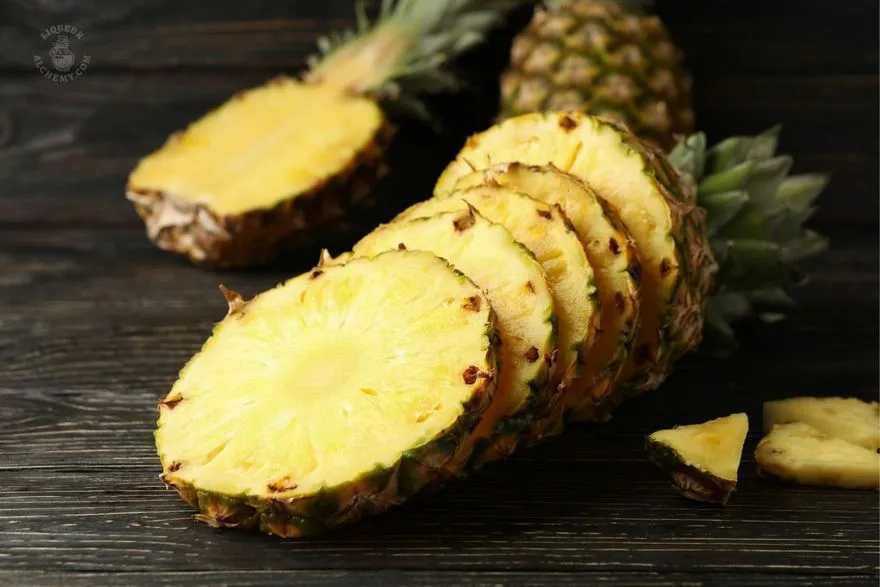
Pineapple infuses liqueurs with lively tropical sweetness and crisp acidity that instantly brightens the flavor. Its juicy essence balances stronger spirits, creating harmony and freshness. When infused, it adds golden color and a fruity aroma reminiscent of summer. Pineapple pairs beautifully with coconut, mint, or spices, giving liqueurs a refreshing, exotic twist that feels smooth, joyful, and full of sunshine.

Pineapple

Home / Ingredients / Fruits / Pineapple

Pineapple Flavor Profile

Juicy tropical sweetness, bright acidity, fresh fruity aroma.
Pineapple Impact on Liqueurs

Adds vibrant tropical character and freshness.

How to Use Pineapple?

Use fresh chunks; 400–700 g per 1 L. Infuse 2–4 weeks in rum or vodka.

Pineapple Pairing Suggestions

Rum, Cane Sugar, Coconut, Lime, Vanilla, Ginger, Pineapple, Honey
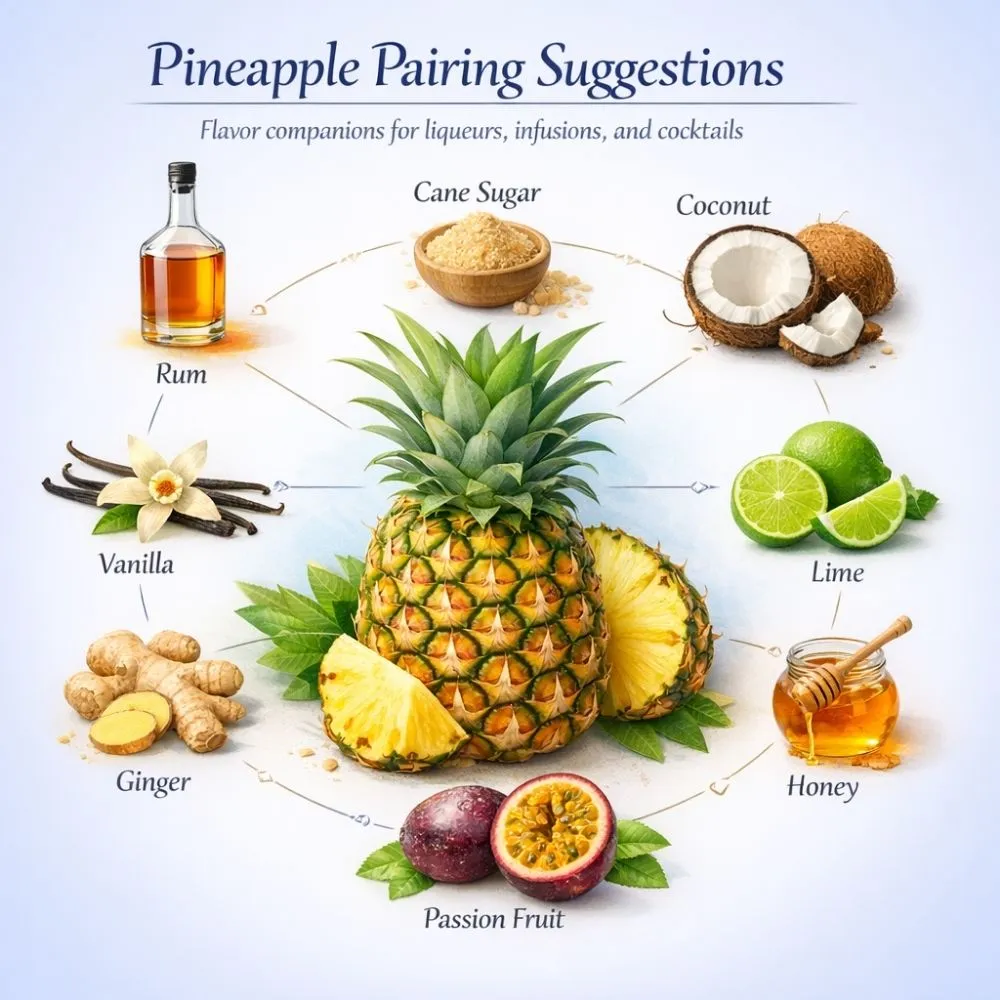
Pineapple pairing suggestions for liqueur making

Pineapple FAQ


Fresh pineapple extracts quickly and can go from bright tropical to “cooked” if left too long. Use 40–50% ABV and start tasting at day 2–3; many pineapple infusions peak around 5–10 days. Cut into chunks and avoid blending—puree creates haze and can trap off flavors.

Dried pineapple gives a deeper, candied note and extracts more slowly (2–4 weeks), often with less sharp acidity. Choose unsweetened dried pineapple if possible; sweetened dried fruit can push the liqueur into candy territory unless you hold back syrup.

Common mistakes include using the core (can add astringency), leaving fruit too long, and adding juice early (dilution and instability). Flavor impact should be fresh, sunny tropical; a tiny lime zest infusion added briefly can make pineapple pop. Store cool and dark; pineapple top notes fade with heat and oxygen.

Pineapple loves bright, light accents: lime zest, vanilla, and a tiny amount of ginger are top choices. Warm spices like cinnamon can work but easily dominate, so keep them micro-dose and short contact. Chili can be great—use a tincture so heat stays controlled.

Timing: infuse pineapple first, strain, then add spices for hours to a couple days with frequent tasting. If you want a “tiki” vibe, consider a small amount of toasted coconut added briefly and strained early.

Common mistakes include clove (too strong) and long spice contact that turns pineapple into a spiced syrup. Flavor impact should remain juicy tropical with a lifted finish. Store cool and dark; spice intensity can creep up slightly with time.

Several factors influence the extraction of flavors from pineapple in liqueur production. The choice of alcohol base plays a significant role, as higher proof spirits can extract flavors more efficiently than lower proof options. Additionally, the duration of infusion is crucial; longer soaking times typically yield more robust flavors.

Temperature also impacts extraction rates. Warmer temperatures can enhance the solubility of flavor compounds, leading to a quicker extraction process. However, excessive heat may alter the flavor profile, so it's essential to find a balance.

Lastly, the method of preparation, including cutting techniques and whether the pineapple is blended or left in chunks, can affect how well the flavors are released. Experimenting with these variables can help achieve the desired liqueur flavor.

The amount of pineapple to use can vary based on your recipe and personal taste. A good starting point is to use about one cup of fresh pineapple chunks for every quart of alcohol. This ratio allows for a balanced flavor profile.

If you prefer a stronger pineapple flavor, consider increasing the quantity to one and a half cups. However, be cautious not to overpower the liqueur with too much fruit, as it can lead to an unbalanced taste.

Always taste your liqueur as it infuses, adjusting the amount of pineapple to suit your palate. This approach ensures that you achieve the perfect harmony of flavors in your craft liqueur.

One mistake to avoid is not cutting the pineapple into the right size. Large chunks may not infuse properly, while very small pieces can lead to over-extraction. Aim for medium-sized pieces to ensure an even infusion.

Another common error is neglecting to remove the core. The core of the pineapple is tough and can impart a bitter flavor to your liqueur. Always ensure you use only the flesh for a smoother, sweeter infusion.

Finally, be cautious with the amount of pineapple used. Too much can overwhelm the other flavors in your liqueur. Start with a moderate amount and adjust according to your taste preferences to achieve a balanced flavor profile.
Pineapple
Pineapple in Liqueur Crafting

More Fruits


RELATED RECIPES OF LIQUEUR ALCHEMY


Explore more creations from Liqueur Alchemy that share similar flavours, techniques, or ingredients. These related recipes offer fresh ideas and inspired combinations to help you craft your next bold, homemade spirit.

LIQUEUR ALCHEMY TOOLS & RESOURCES


Design labels in minutes—beautiful, practical, and ready to print. Choose a tool below to generate bottle or ingredient labels that match your Liqueur Alchemy workflow.
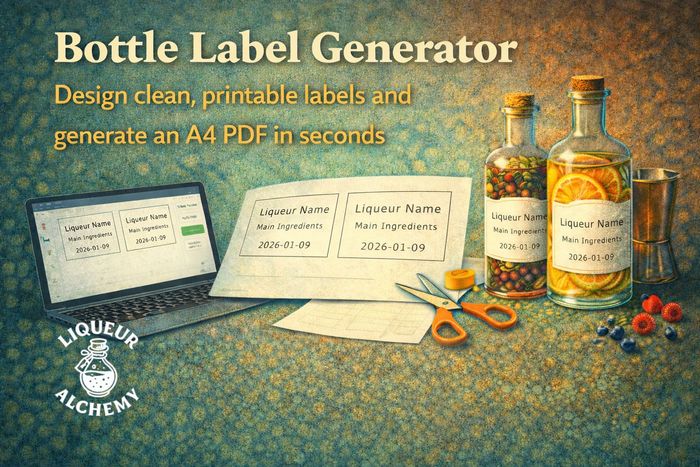
Bottle Label Generator preview

Bottle Label Generator

Create clean bottle labels with your liqueur name, batch details, date — ready for printing and gifting.
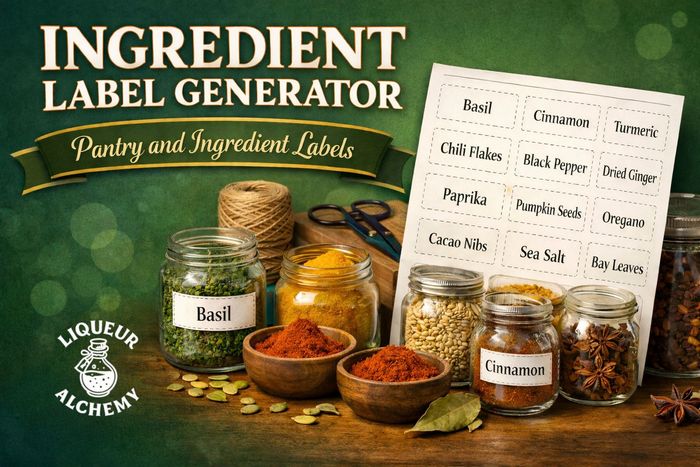
Ingredient Label Generator preview

Ingredient Label Generator

Label jars, containers, and storage bags to maintain clear organization from preparation through infusion and serving.
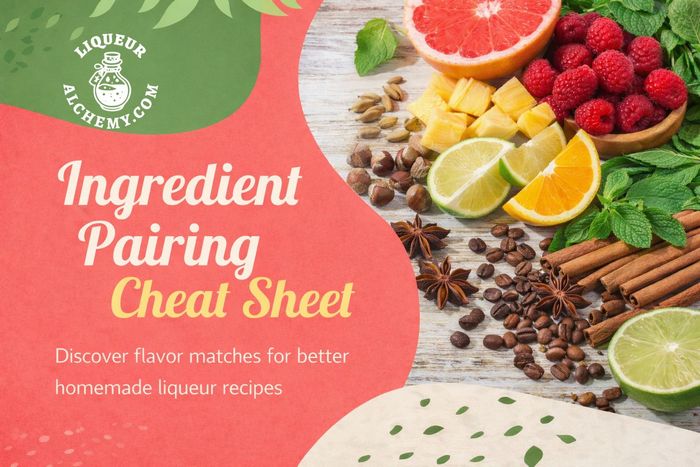
Ingredient pairing cheat sheet for creating balanced homemade liqueurs

Ingredient Pairing Cheat Sheet

Discover flavor combinations that create balanced, complex, and unique homemade liqueurs.