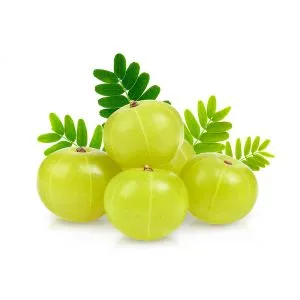
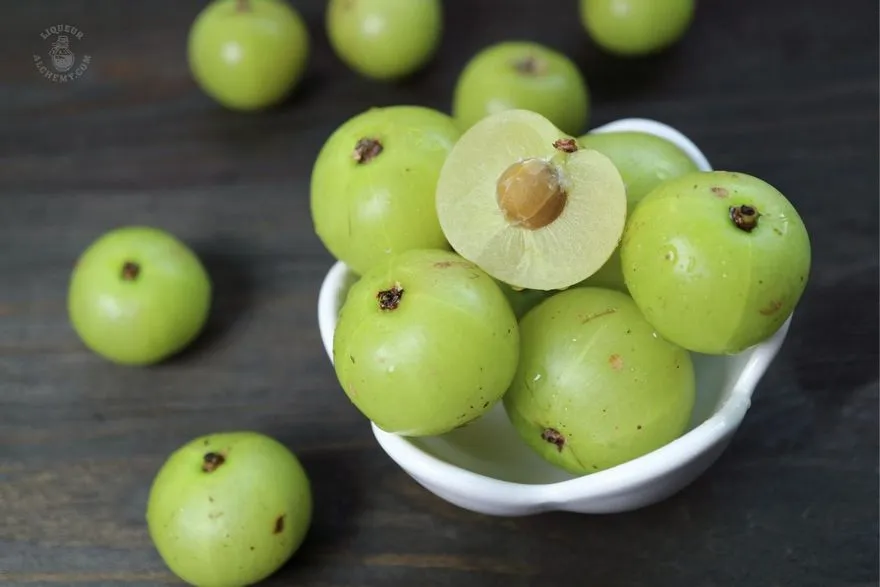
Amla (Fresh)

Amla (Fresh) for Liqueur Infusions – Flavor & Pairing Tips

Fresh amla delivers a vibrant, tangy profile with earthy, herbal undertones that bring clarity and brightness to liqueurs. Its natural acidity cuts sweetness beautifully, creating a clean, refreshing balance. When infused, it releases subtle green notes and a unique fruit sharpness that pairs well with citrus, spices, or honey. Amla adds a distinctive Indian character, giving liqueurs vitality and a crisp, invigorating finish.

Amla (Fresh)

Home / Ingredients / Fruits / Amla (Fresh)

Amla (Fresh) Flavor Profile

Bright, tart, green-fruity and slightly astringent; citrus-gooseberry vibe with herbal edge.

Amla (Fresh) Impact on Liqueurs

Sharpens sweetness and adds lively tang; brings structure and a refreshing, mouthwatering finish to liqueurs.

How to Use Amla (Fresh)?

Chop or lightly crush; 300–500 g per 1 L. Infuse 3–6 weeks in vodka or white rum; sweeten after straining.

Amla (Fresh) Pairing Suggestions

Vodka, Cane Sugar, Ginger, Honey, Lime, Mint, Black Salt, Chili
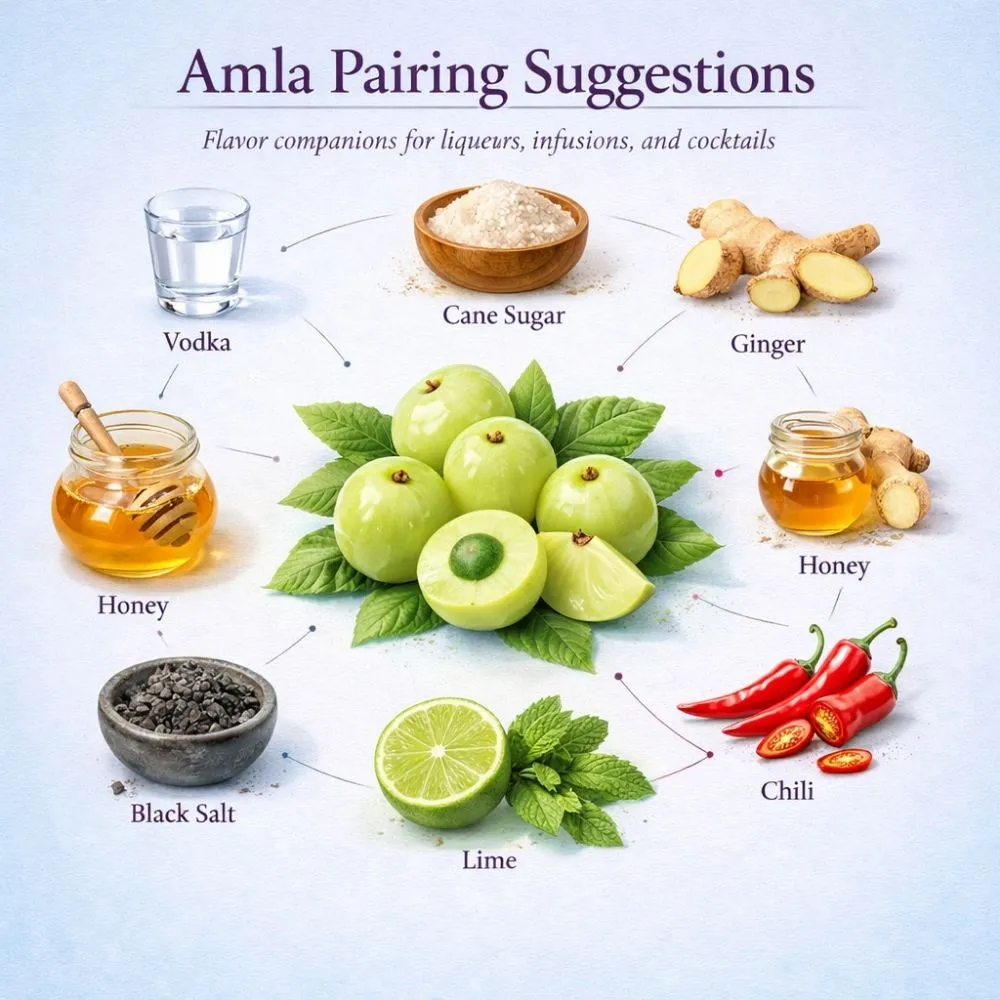
Amla (Fresh) pairing suggestions for liqueur making

Amla (Fresh) FAQ


Fresh amla is intensely tart and tannic with a herbal edge, so balance is everything. Slice or quarter the fruit (remove the hard seed) and infuse at 40–50% ABV. Start tasting at day 2–3; many amla infusions peak around 5–12 days before tannins take over.

Dosage: begin around 200–400 g fresh amla per liter depending on how punchy you want it. Strain early, then sweeten in stages—amla needs sugar to round the sharpness. If it tastes medicinal, add a small citrus zest lift (brief infusion) and let it rest 1–2 weeks; integration helps.

Common mistakes include leaving it too long (mouth-drying), over-crushing, and stacking extra acids. Flavor impact is bright, sour, and “green-fruity,” great with honey, ginger (tiny), and warm spices in micro-dose. Store cool and dark; amla holds acidity well but aroma fades with oxygen.

You can, but results differ. Amla powder creates heavy sediment and can taste earthy; juice can be convenient but often dilutes and may have additives. The most controllable substitute is dried amla pieces or amla candy, because you can dose and strain cleanly.

If you use powder, use a tiny amount, steep briefly, then let it settle and decant before filtering. If using juice, add it after you’ve made an alcohol infusion and keep total water low so ABV stays stable.

Common mistakes include using lots of powder and trying to filter immediately. Flavor impact can shift from bright-tart to earthy/medicinal. Store cold if you add juice; shelf stability drops when you introduce more water.

Several factors can influence the extraction of flavors from fresh amla during liqueur production. The ripeness of the amla fruit plays a significant role; riper fruits tend to have a more pronounced flavor and can yield better results.

Temperature is another critical factor. Warmer temperatures can enhance the extraction process, allowing for a more efficient release of flavors and compounds. However, excessive heat can also lead to undesirable changes in taste, so moderation is key.

Lastly, the method of preparation, such as slicing or crushing the amla, can impact extraction. Breaking down the fruit increases surface area, allowing for more effective flavor release, which is essential for crafting a well-balanced liqueur.

To avoid mistakes, always ensure your fresh amla is at the right ripeness. Firm and slightly sour amla yields the best flavor, while overripe fruit can spoil the infusion.

Additionally, take time to chop and prepare the amla properly. This step is crucial for maximizing flavor extraction during the infusion process, so don’t rush it.

Finally, experiment with different ratios of amla to sweeteners. Finding the right balance is key to achieving a harmonious flavor profile, so taste as you go to ensure the best results.

Yes, you can use tart green apples as a substitute for amla. They provide a similar crispness and acidity, which can enhance the overall flavor of your liqueur. Their natural sweetness can balance the tartness, making them a great alternative.

Another good option is using unripe mangoes. They have a tangy flavor that can mimic the sourness of amla while adding a tropical twist to your liqueur. Be sure to adjust the sweetness in your recipe to accommodate the mango's flavor.

Lastly, consider using tamarind paste diluted with water. It offers a unique sourness that can work well in liqueurs, though it may impart a different flavor profile. Use it sparingly to avoid overpowering the other ingredients.
Amla (Fresh)
Amla (Fresh) in Liqueur Crafting

More Fruits


LIQUEUR ALCHEMY TOOLS & RESOURCES


Design labels in minutes—beautiful, practical, and ready to print. Choose a tool below to generate bottle or ingredient labels that match your Liqueur Alchemy workflow.
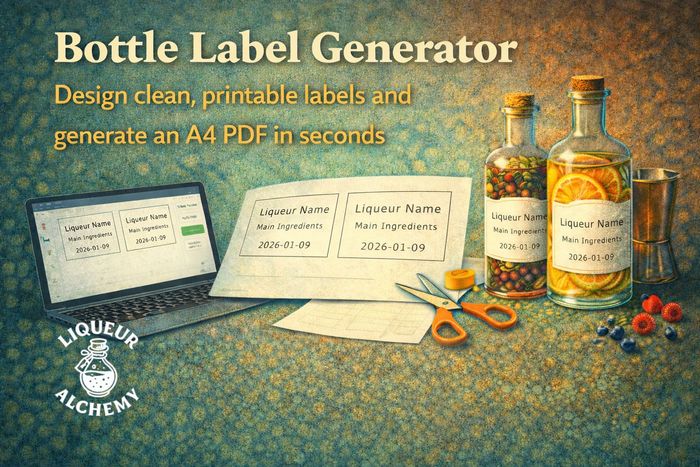
Bottle Label Generator preview

Bottle Label Generator

Create clean bottle labels with your liqueur name, batch details, date — ready for printing and gifting.
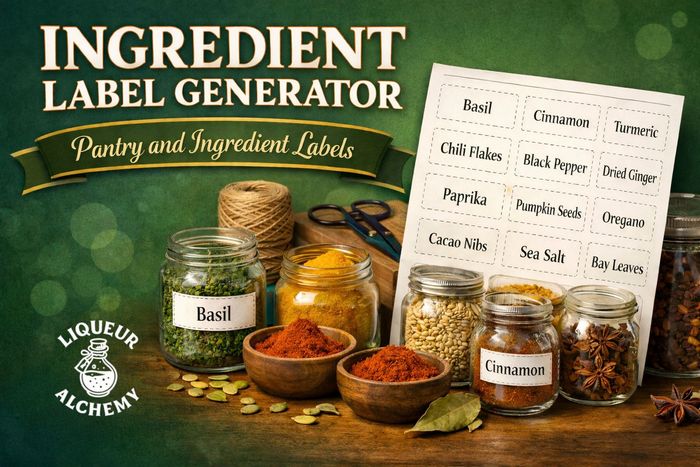
Ingredient Label Generator preview

Ingredient Label Generator

Label jars, containers, and storage bags to maintain clear organization from preparation through infusion and serving.
Ingredient pairing cheat sheet for creating balanced homemade liqueurs

Ingredient Pairing Cheat Sheet

Discover flavor combinations that create balanced, complex, and unique homemade liqueurs.