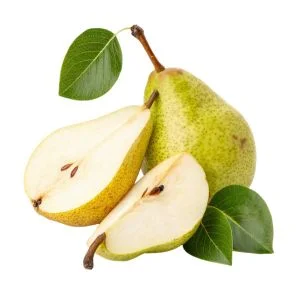
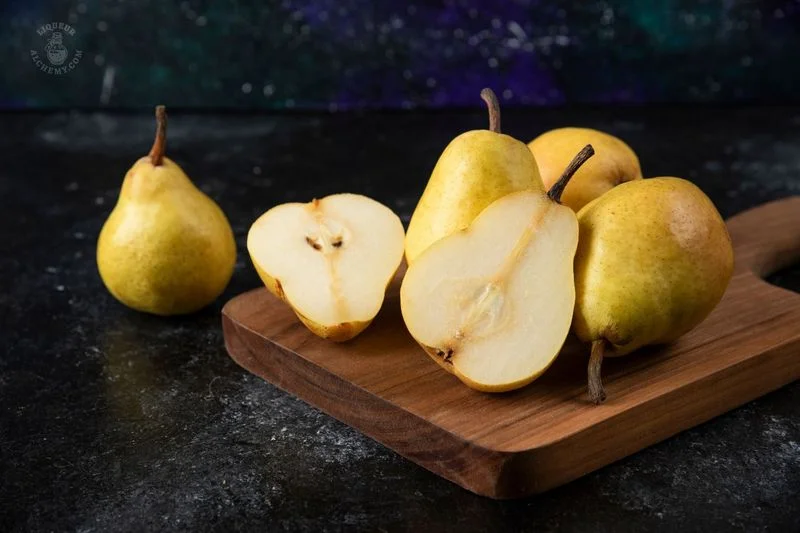
Pear (Peckham)

Peckham Pear in Liqueur Making: Soft Sweetness and Aroma

Peckham pear brings gentle sweetness, soft floral aroma, and a smooth orchard-fruit character to liqueurs. Its pale flesh infuses slowly, creating delicate pear notes rather than bold acidity, so it works best with patient maceration, moderate spice, and balanced sweetness. In vodka, brandy, or rum liqueurs, Peckham pear adds roundness, fragrance, and a silky fruit impression that pairs beautifully with vanilla, honey, citrus, ginger, and light warm spices.

Pear (Peckham)

Home / Ingredients / Fruits / Pear (Peckham)

Pear (Peckham) Flavor Profile

Soft, mellow, sweet and gently floral, with ripe orchard-fruit notes, light honeyed perfume, mild acidity and a smooth rounded finish.
Pear (Peckham) Impact on Liqueurs

Adds delicate pear aroma, natural sweetness and a soft fruit body. Peckham pear helps create smooth, elegant liqueurs with gentle perfume, rounded texture and a refined orchard-fruit character.

How to Use Pear (Peckham)?

Use ripe but firm pears for the cleanest flavor. Wash, core and slice before maceration, keeping skins on for extra aroma if they are clean and unblemished. Avoid over-crushing, as pear pulp can make filtration slow and cloudy. Add lemon juice or zest to lift freshness and reduce dull sweetness. Keep strong spices restrained because pear is delicate and can be easily covered by cinnamon, clove or star anise.

Pear (Peckham) Pairing Suggestions

Vodka, Brandy, White Rum, Honey, White Sugar, Vanilla, Lemon, Ginger, Cardamom, Almond

Pear (Peckham) pairing suggestions for liqueur making

Pear (Peckham) FAQ


Peckham pears release flavor slowly because their character is soft, fragrant and water-rich rather than sharp or heavily acidic. During alcohol infusion, the spirit draws gentle pear aroma, natural sugars, light floral notes and subtle orchard-fruit compounds from the flesh. This extraction is more delicate than berries, citrus zest or strong spices, so the flavor builds gradually rather than appearing quickly in the first few days.

For best results, ripe but firm pears should be chopped into small pieces to increase surface contact with the alcohol. Light crushing can help the spirit reach the juicy flesh, but over-mashing may create cloudy pulp and make filtration harder. Vodka gives the cleanest extraction, while brandy or light rum can add warmth and sweetness that supports the pear without hiding it.

Because Peckham pear flavor is mild, patience matters. A short infusion may taste watery or vague, while a longer maceration allows the soft pear notes to become rounder and more aromatic. Gentle shaking every few days helps even extraction, but aggressive stirring is unnecessary. The goal is a smooth, fragrant pear base, not an intense fruit punch.

Good replacements for Peckham pears include Conference, Williams, Bartlett, Comice and Packham pears, depending on the flavor direction wanted. Conference pears are widely available and give a clean, lightly sweet pear note. Williams or Bartlett pears are more aromatic and can produce a brighter, more obvious pear fragrance. Comice pears are soft, juicy and rich, making them useful when a rounder dessert-like liqueur is desired.

When substituting, ripeness matters more than variety name. A pear that is fragrant, ripe and firm will usually make a better liqueur than a famous variety that is underripe, dry or mealy. Avoid fruit that is bruised, fermented, mouldy or overly soft, because damaged pears can introduce dull aromas and make the infusion harder to filter. If the substitute pear is very juicy, filtration may take longer.

The recipe may need small adjustments after substitution. More aromatic pears can handle slightly stronger spices, while very mild pears need a lighter hand with cinnamon, clove, ginger and citrus. Sweeter pears may require less added sugar or honey. A small tasting after maceration is the best guide, because pear varieties vary greatly in sweetness, acidity and aroma.

Peckham pears usually need a moderate to long maceration in vodka because their flavor extracts gently. A useful starting point is 14 to 21 days for chopped ripe fruit. This gives the vodka enough time to capture soft pear aroma, mild sweetness and smooth fruit body. Very short infusions may smell fresh at first, but they often lack depth once sweetened and filtered.

The exact timing depends on ripeness, fruit size, alcohol strength and recipe style. Small pear pieces release flavor faster than large chunks, while firmer pears may need more time. A neutral vodka around standard drinking strength is suitable because it extracts aroma without adding strong character of its own. If spices are included, they may need shorter contact time than the pears to avoid overpowering the infusion.

Tasting is more reliable than following the calendar alone. After about two weeks, sample a small amount and check whether the aroma is clearly pear-like or still faint. If it tastes thin, continue maceration for several more days. If bitterness, woody notes or dull cooked-fruit tones begin to appear, strain the infusion. Pear liqueur should feel smooth, fragrant and rounded, not heavy or tired.

The most common mistake is using underripe or tired pears. Peckham pear liqueur depends on fragrance, so fruit that has little aroma before infusion will not magically become expressive in alcohol. Bruised, mealy or overripe pears can also reduce quality by adding dull, fermented or cooked-fruit notes. Fresh, ripe and firm fruit gives the cleanest result.

Another mistake is adding too many strong ingredients. Cinnamon, clove, nutmeg, star anise, ginger and citrus zest can all help pear, but they become dominant very quickly. If the spice level is too high, the liqueur may taste pleasant but no longer recognisably pear-led. Heavy brown sugars can also mask the fruit, especially when used with rum or brandy.

Poor preparation can weaken flavor as well. Large fruit pieces extract slowly and may leave the spirit thin. Fruit exposed above the alcohol line can oxidise and create stale aromas. Too little maceration time can produce a faint infusion, while excessive time with damaged fruit may add bitterness or dullness. Clean jars, ripe fruit, full submersion and restrained seasoning protect the pear character.

Peckham pears influence a liqueur by adding soft orchard aroma, gentle floral notes and a smooth ripe-fruit impression. Their scent is usually delicate rather than sharp, so the aroma feels rounded, pale and elegant. In a clean vodka base, this can create a fresh pear fragrance with subtle sweetness. In brandy or rum, the pear becomes warmer and more dessert-like.

The aroma is strongly shaped by supporting ingredients. Vanilla can make Peckham pear smell creamier and more luxurious. Honey can deepen the floral side, while lemon zest gives lift and prevents the aroma from feeling flat. Ginger adds freshness and warmth, but only a small amount is needed. Spices such as cinnamon or clove should be restrained because they can easily dominate the nose.

In the finished liqueur, Peckham pear usually works as a smoothing and aromatic ingredient rather than a loud headline flavor. It softens the spirit, rounds the sweetness and gives the drink an orchard-fruit identity. The best results feel fragrant, silky and clean. If the aroma seems hidden, the recipe may need less spice, less heavy sugar or a brighter citrus accent next time.
Pear (Peckham)
Pear (Peckham) in Liqueur Crafting

More Fruits


LIQUEUR ALCHEMY TOOLS & RESOURCES


Design labels in minutes—beautiful, practical, and ready to print. Choose a tool below to generate bottle or ingredient labels that match your Liqueur Alchemy workflow.
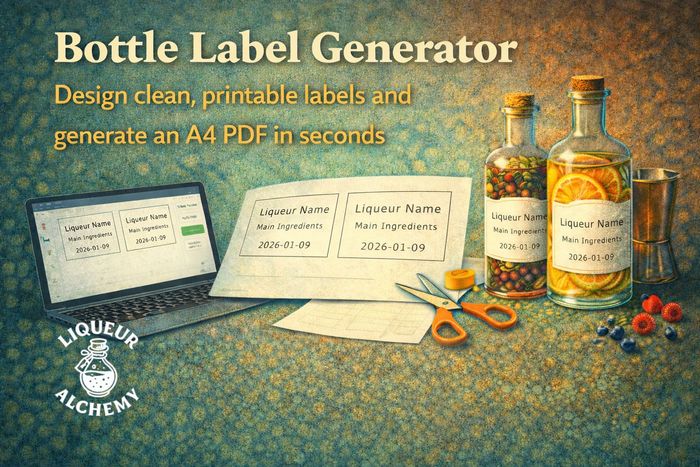
Bottle Label Generator preview

Bottle Label Generator

Create clean bottle labels with your liqueur name, batch details, date — ready for printing and gifting.
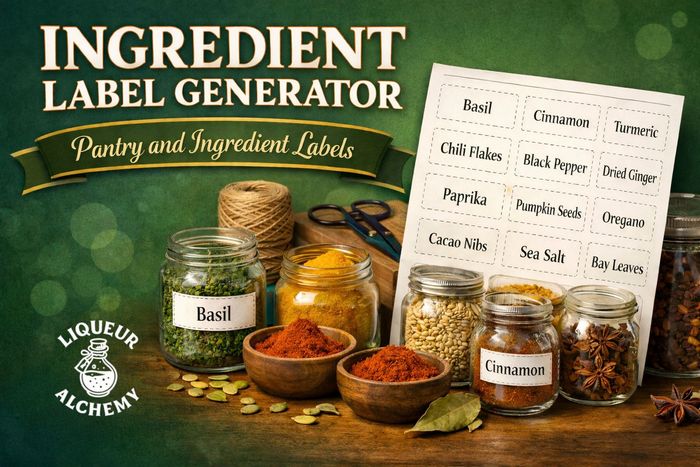
Ingredient Label Generator preview

Ingredient Label Generator

Label jars, containers, and storage bags to maintain clear organization from preparation through infusion and serving.
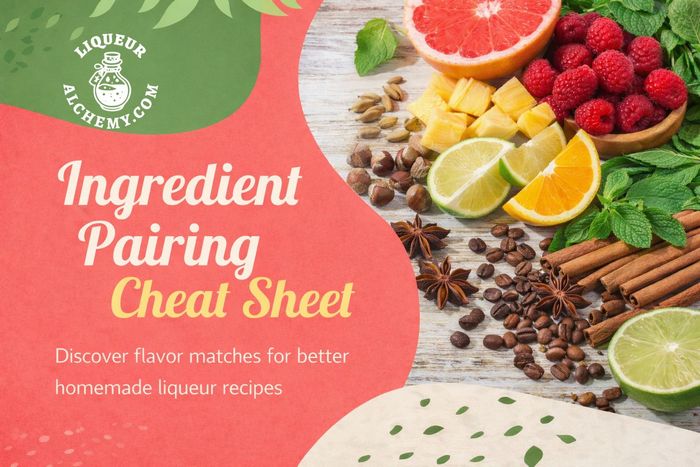
Ingredient pairing cheat sheet for creating balanced homemade liqueurs

Ingredient Pairing Cheat Sheet

Discover flavor combinations that create balanced, complex, and unique homemade liqueurs.