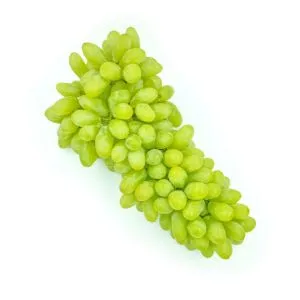
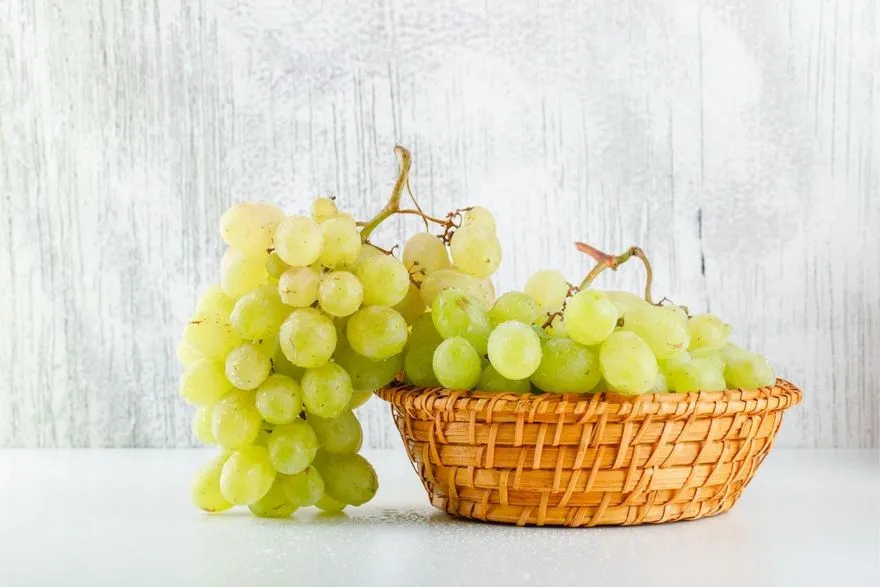
Grapes (White)

Grapes (White) for Liqueur Infusions – Flavor & Pairing Tips

White grapes are the foundation of many fine liqueurs, prized for their natural sugars, gentle acidity, and smooth texture. When infused, they release delicate fruit tones that mellow harsh spirits, creating a balanced and silky mouthfeel. Their subtle sweetness complements herbs, flowers, or spices, adding a clean base note. In blends, white grapes provide a canvas that enhances other ingredients while maintaining a refreshing finish reminiscent of fine wines.

Grapes (White)

Home / Ingredients / Fruits / Grapes (White)

Grapes (White) Flavor Profile

Light floral grape aroma, gentle sweetness, clean fresh fruit notes.
Grapes (White) Impact on Liqueurs

Adds delicate fruit body and subtle sweetness without heaviness.

How to Use Grapes (White)?

Use crushed grapes; 600–900 g per 1 L. Infuse 3–6 weeks in vodka.

Grapes (White) Pairing Suggestions

White Wine, Cane Sugar, Peach, Apple, Elderflower, Lemon Peel, Honey, Mint
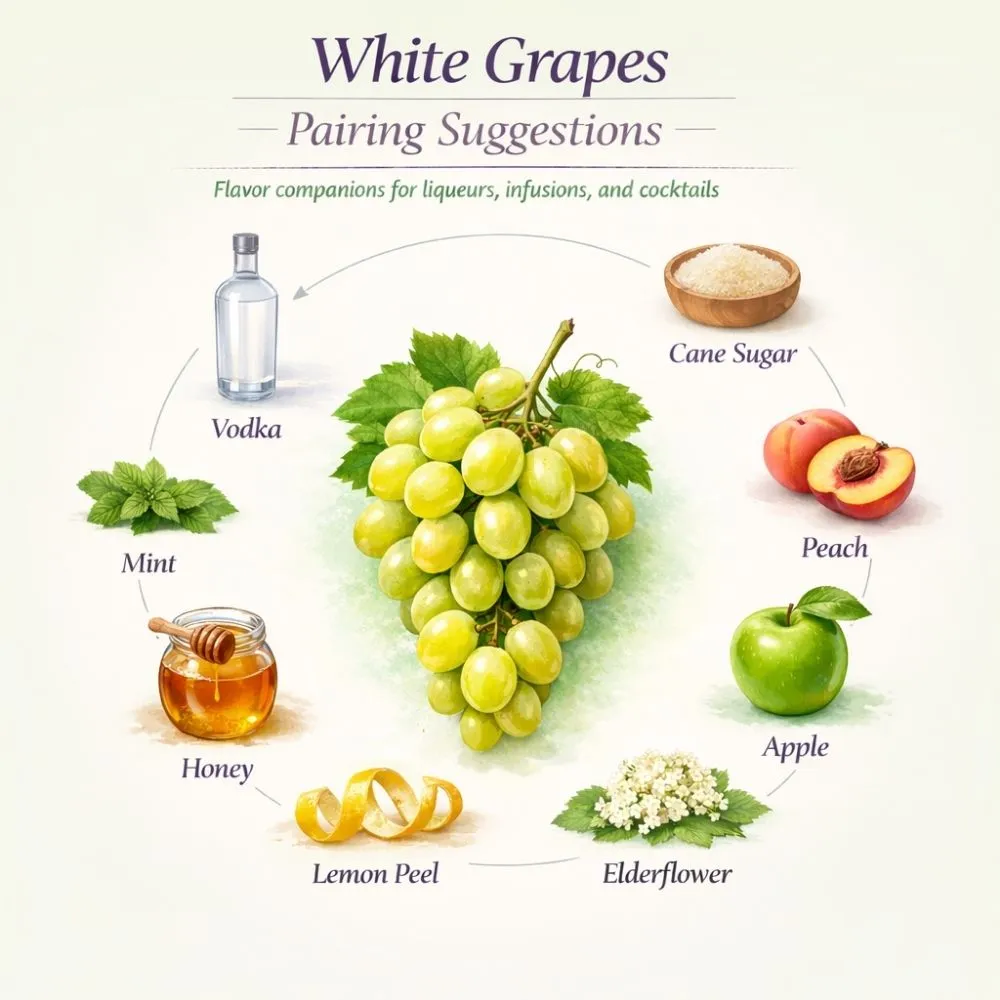
Grapes (White) pairing suggestions for liqueur making

Grapes (White) FAQ


You don’t need to peel, but you should destem and rinse well. Stems add green bitterness, and crushed skins can add tannin if left too long. For a clean, aromatic liqueur, keep grapes whole or lightly cracked, and consider removing seeds if the variety is very seedy.

Use 40–50% ABV and a short maceration: 3–7 days is often enough for delicate grape perfume. Taste daily; once it smells like fresh grapes, strain. Sweeten after straining—grapes can read “watery” until sugar and a tiny acid lift bring focus.

Common mistakes include mashing into pulp (cloudy), leaving skins for weeks (tannic), and using very low ABV (risk of fermentation). Flavor impact is floral, honeyed, and light; it pairs well with elderflower, vanilla, or a touch of lemon zest. Store cool and dark; grape aromatics can fade with heat and light.

Yes—frozen grapes work very well. Freezing ruptures cell walls, so you get faster extraction and more juice release, which can boost aroma and sweetness. The trade-off is more haze and sediment, so plan for settling and careful filtration.

Use 40–50% ABV and shorten the time: start tasting at day 2 and expect to strain around days 3–5. Let the strained infusion settle cold, then decant and filter again before sweetening. If the liqueur is too watery, reduce dilution and sweeten with a thicker syrup.

Common mistakes are squeezing thawed grapes (pushes pulp through filters) and leaving the mix warm (oxidation). Flavor impact becomes more “juicy” and less floral, depending on the variety. Store finished bottles cold for the freshest profile, especially if you kept more grape solids.

Several factors influence the extraction behavior of white grapes when making liqueurs. The variety of grape used can significantly affect the flavor and aroma profile, as different grapes have varying levels of sugar and acidity.

Temperature and duration of extraction are also critical. Warmer temperatures can accelerate the extraction of flavors and compounds, while longer extraction times may lead to over-extraction, resulting in bitterness.

Lastly, the method of extraction, whether maceration or distillation, can alter the final product. Understanding these factors allows for better control over the liqueur's taste and character.

Yes, you can replace white grapes with other fruits such as peaches or apricots. These fruits have a similar sweetness and can complement the liqueur's flavor profile, making them excellent substitutes.

Additionally, you might consider using tropical fruits like pineapple or mango. These fruits will impart a different but delightful flavor, adding an exotic touch to your liqueur.

Keep in mind that each fruit will bring its own unique characteristics, so you may need to adjust the sweetness or acidity in your recipe to achieve the desired balance.

One major pitfall is adding too much sugar too early in the process. This can mask the natural flavors of the grapes and result in an imbalanced liqueur. It's better to adjust sweetness gradually after tasting.

Another mistake is failing to experiment with maceration time. Some may rush this step, leading to under-extraction of flavors. Allowing the grapes to infuse for the right duration is key to achieving depth in your liqueur.

Finally, not keeping proper records of your process can lead to repeated mistakes. Documenting each step will help you refine your technique and replicate successful batches in the future.
Grapes (White)
Grapes (White) in Liqueur Crafting

More Fruits


LIQUEUR ALCHEMY TOOLS & RESOURCES


Design labels in minutes—beautiful, practical, and ready to print. Choose a tool below to generate bottle or ingredient labels that match your Liqueur Alchemy workflow.
Bottle Label Generator preview

Bottle Label Generator

Create clean bottle labels with your liqueur name, batch details, date — ready for printing and gifting.
Ingredient Label Generator preview

Ingredient Label Generator

Label jars, containers, and storage bags to maintain clear organization from preparation through infusion and serving.
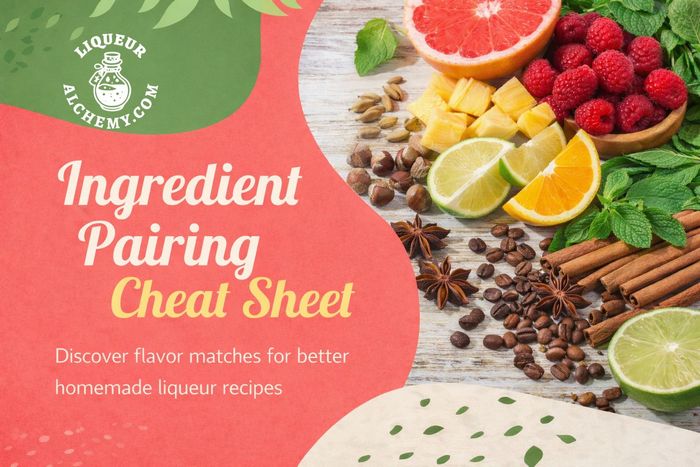
Ingredient pairing cheat sheet for creating balanced homemade liqueurs

Ingredient Pairing Cheat Sheet

Discover flavor combinations that create balanced, complex, and unique homemade liqueurs.