Bilberry

Bilberry in Liqueur Making: Wild Colour, Tang and Depth

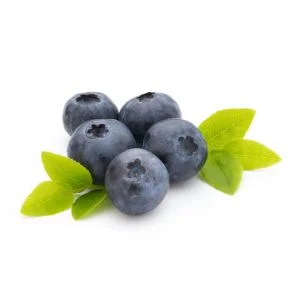
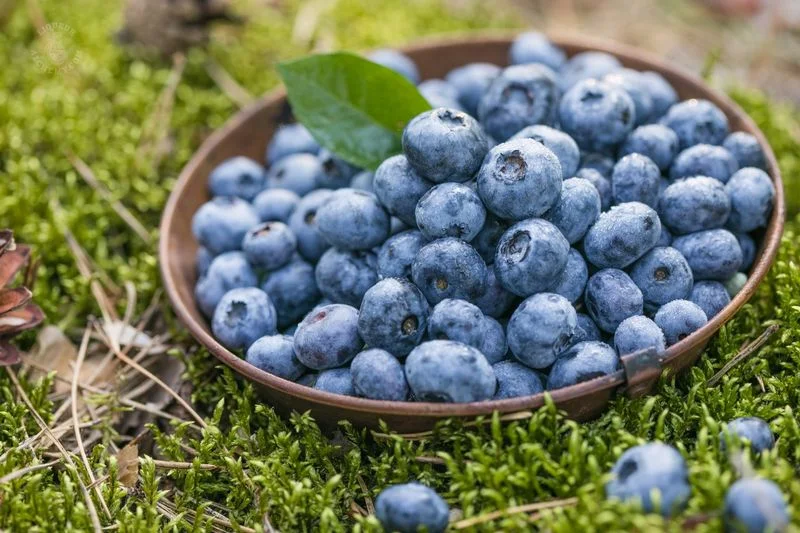
Bilberry is the European wild blueberry, known for its dark red-purple flesh, high anthocyanin colour, and concentrated forest berry flavour. In liqueurs, it gives deeper colour and sharper aromatic intensity than cultivated blueberry, with tangy fruit, gentle sweetness, and a slightly earthy woodland edge. It works beautifully in vodka, brandy, gin, and rum infusions where vivid colour, freshness, and wild berry depth are desired.

Bilberry

Home / Ingredients / Fruits / Bilberry

Bilberry Flavor Profile

Tangy, fruity, mildly sweet, deep forest berry, lightly earthy, jammy, red-purple, aromatic, more intense than cultivated blueberry.
Bilberry Impact on Liqueurs

Bilberry gives liqueurs a vivid red-purple colour, concentrated wild berry aroma, fresh acidity, and deeper fruit complexity than common blueberry. It creates bold, elegant berry liqueurs with a natural woodland character and a clean tangy finish.

How to Use Bilberry?

Use ripe fresh or frozen bilberries and avoid over-crushing them too aggressively, as fine pulp can make filtration slow. Macerate gently in vodka, brandy, gin, or light rum for 2 to 4 weeks. Balance the natural tartness with honey, cane sugar, or white sugar, then filter carefully for clarity.

Bilberry Pairing Suggestions

Vodka, Gin, Honey, Lemon, Orange, Vanilla, Cinnamon, Star Anise, Black Pepper, Chocolate, Coffee
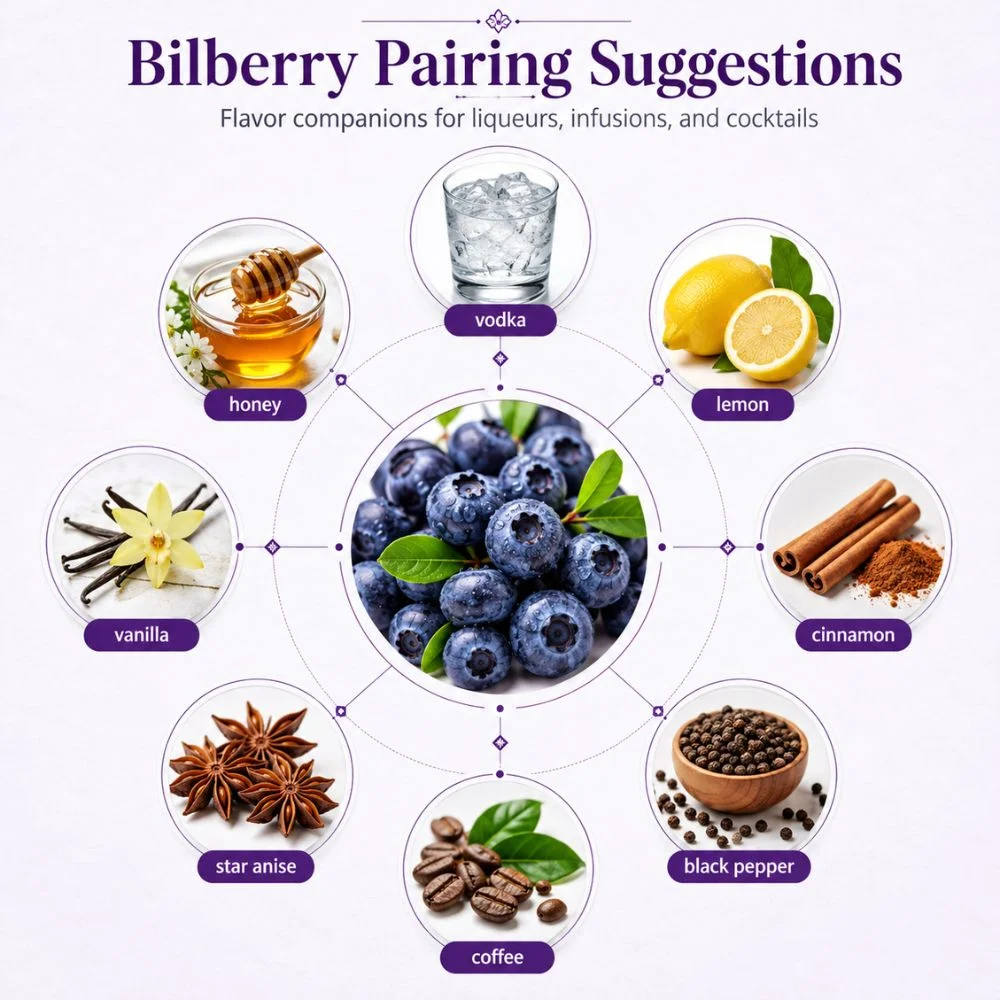
Bilberry pairing suggestions for liqueur making

Bilberry FAQ


Bilberries release flavor quickly because their skins are thin, their flesh is soft, and their juice is rich in dark pigments. Once alcohol surrounds the fruit, it begins drawing out tart berry notes, woodland aroma, natural acidity, and deep red-purple color. Lightly crushing the berries before maceration helps expose more surface area and improves extraction.

In liqueur making, alcohol extracts both water-soluble and alcohol-soluble compounds from bilberries. The fruit gives a stronger and darker result than cultivated blueberries because bilberries contain more intense pigments inside the flesh, not only in the skin. This creates a bold infusion with a more concentrated wild berry character.

For best results, use ripe, clean bilberries and avoid aggressive mashing into a pulp. Gentle crushing is enough. Shake the jar occasionally during maceration, but do not overwork the fruit. Over-extraction can pull too much tannin from skins and seeds, making the liqueur taste dry, sharp, or slightly bitter.

The closest berries to bilberries are European wild blueberries, woodland blueberries, and some small wild Vaccinium berries with dark flesh and tangy flavor. These are not the same as common cultivated blueberries, which are usually milder, larger, sweeter, and less intensely colored inside.

When bilberries are unavailable, the best substitution depends on the goal. For aroma and tartness, blackcurrants, huckleberries, or a mix of blueberries and blackberries can work. For color, blackcurrants or chokeberries may help, but they bring their own stronger tannic or herbal character.

No substitute copies bilberry perfectly. Bilberry has a distinctive wild, forest-like taste with bright acidity and concentrated berry depth. In liqueurs, substitutions should be adjusted with lemon, honey, sugar, or softer fruits to avoid making the result too sharp, too heavy, or too jam-like.

Bilberries usually infuse well in vodka within two to four weeks. Their color extracts quickly, often within the first few days, while the fuller fruit flavor develops more slowly. A shorter infusion gives brighter acidity and fresher berry notes, while a longer infusion gives deeper color and more rounded intensity.

For most homemade bilberry liqueurs, three weeks is a reliable starting point. Taste the infusion after fourteen days, then continue only if the flavor still feels thin. If the berries are crushed heavily or very ripe, extraction may happen faster and the infusion may need less time.

Leaving bilberries in vodka too long can pull out excessive skin dryness, seed bitterness, or earthy notes. Once the flavor is strong and balanced, strain the fruit and filter the liquid. Sweetening after straining gives better control over the final balance and helps avoid covering mistakes with too much sugar.

Bitterness in bilberry liqueurs usually comes from over-extraction, damaged fruit, crushed seeds, or too much time in alcohol. Bilberry skins and seeds can add structure, but if they are macerated too aggressively or for too long, they may create dry, bitter, or slightly woody notes.

Spices can also increase bitterness. Cinnamon, star anise, black pepper, citrus peel, coffee, and herbs all work with bilberry, but they should be used carefully. A recipe that contains several strong ingredients can become harsh if everything is infused for the same length of time.

To prevent bitterness, use ripe fruit, avoid crushing seeds, keep green stems and leaves out of the jar, and taste the infusion regularly. Strain once the flavor is full but still fresh. If bitterness appears, add sweetness gradually, blend with a softer fruit infusion, or dilute with clean vodka.

Bilberries give liqueurs a fresh woodland berry aroma with notes of dark fruit, forest floor, gentle tartness, and soft floral depth. Their aroma is usually more concentrated and wild than cultivated blueberry, making them useful when a recipe needs a deeper, more natural berry identity.

During infusion, the aroma becomes richer as alcohol draws flavor from the skins, juice, and flesh. Early notes can be bright and fruity, while longer maceration may bring darker, earthy, wine-like tones. Pairings such as vanilla, honey, lemon, cinnamon, black pepper, or coffee can shape the final aromatic direction.

Bilberry aroma is strong but not always loud, so it benefits from careful support. Too much spice, citrus peel, or roasted ingredient can cover its delicate forest character. A balanced bilberry liqueur should smell fruity, deep, slightly tart, and natural, without becoming medicinal, jammy, or overly perfumed.
Bilberry
Bilberry in Liqueur Crafting

More Fruits


LIQUEUR ALCHEMY TOOLS & RESOURCES


Design labels in minutes—beautiful, practical, and ready to print. Choose a tool below to generate bottle or ingredient labels that match your Liqueur Alchemy workflow.
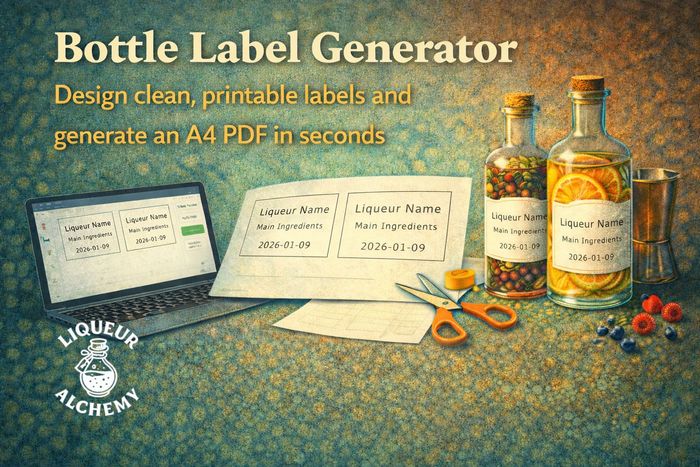
Bottle Label Generator preview

Bottle Label Generator

Create clean bottle labels with your liqueur name, batch details, date — ready for printing and gifting.
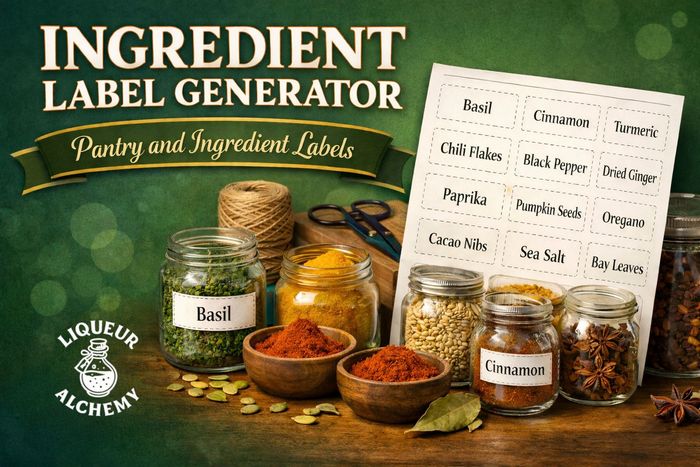
Ingredient Label Generator preview

Ingredient Label Generator

Label jars, containers, and storage bags to maintain clear organization from preparation through infusion and serving.
Ingredient pairing cheat sheet for creating balanced homemade liqueurs

Ingredient Pairing Cheat Sheet

Discover flavor combinations that create balanced, complex, and unique homemade liqueurs.