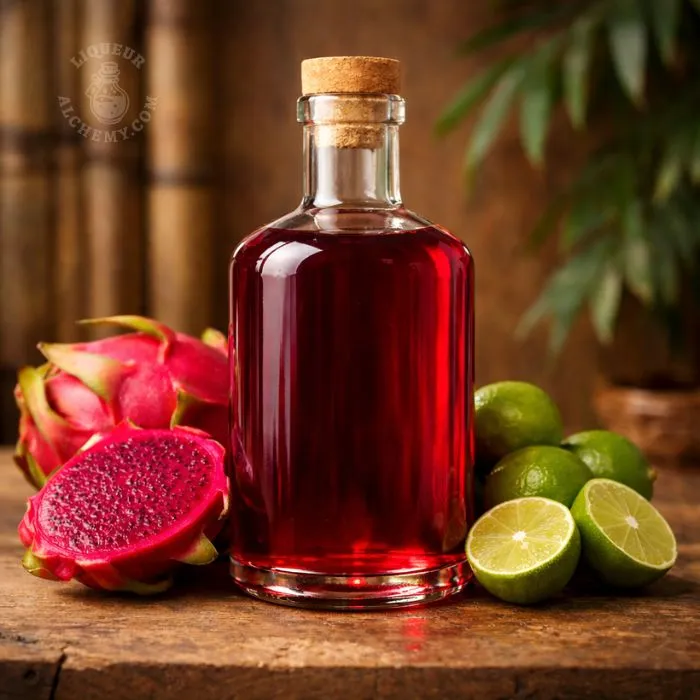
Key Lime

Key Limes in Liqueurs: Tropical Zest, Acidity, and Aroma Boost

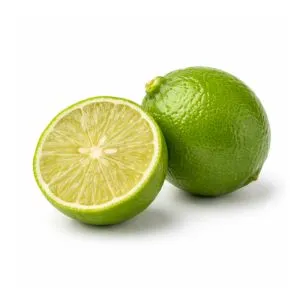
Key limes are more aromatic and concentrated than standard limes, giving liqueurs a vivid tropical-citrus profile with sharp acidity and fragrant peel oils. Their zest delivers bold top notes quickly, while the juice adds sour lift and freshness. Because the peel extracts fast and can become bitter, use it sparingly and avoid excess pith. Key limes work beautifully in rum, gin, vodka, and rice spirit infusions, especially with sugar cane, honey, ginger, coconut, and herbs. They brighten heavy recipes and sharpen sweet, creamy, or spiced styles.

Key Lime

Home / Ingredients / Fruits / Key Lime

Key Lime Flavor Profile

sharp, zesty, floral, sour, tropical, aromatic

Key Lime Impact on Liqueurs

Adds high-impact acidity and fragrant zest oils; brightens sweet liqueurs and cuts through rich flavors.

How to Use Key Lime?

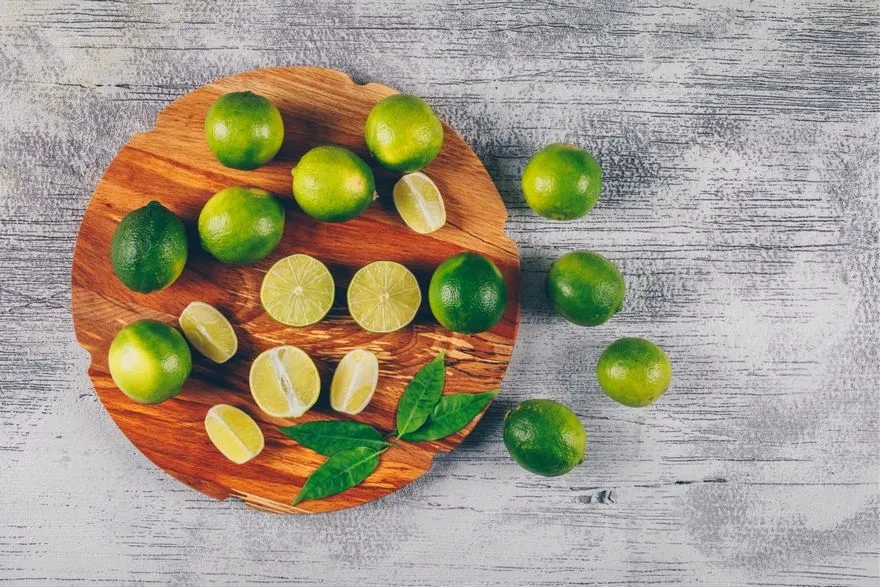
Use juice carefully and zest only the colored peel. Start with 3–6 key limes per 1 L spirit, depending on size. Infuse zest for 1–5 days and add juice cautiously to avoid cloudiness or too much sourness.

Key Lime Pairing Suggestions

Rum, Vodka, Rice Spirit, Cane Sugar, Honey, Coconut, Ginger, Mint, Cardamom, Vanilla
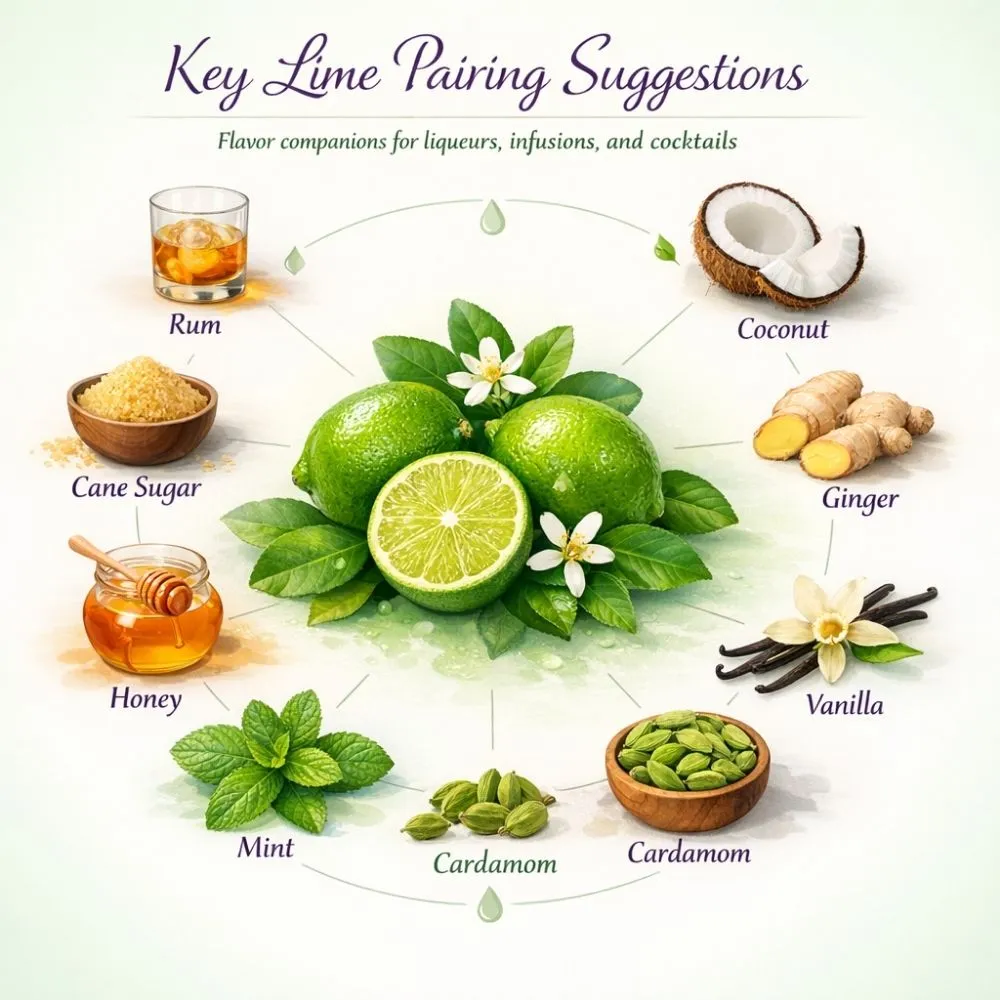
Key Lime pairing suggestions for liqueur making

Key Lime FAQ


Key limes extract quickly because both the peel and juice are intense. Their zest contains powerful aromatic oils that release fast in alcohol, often within one to three days, while the cut fruit adds sharp acidity, green citrus character, and a more immediate sense of freshness than many larger limes.

Because key limes are small and relatively peel-heavy, they can turn from bright to bitter faster than expected if left in the jar too long. Halved fruit exposes peel, juice, and inner white layer all at once, so extraction can become aggressive, especially in a spirit like gin or vodka. Daily tasting is important from the third day onward.

For a cleaner result, some makers use zest and juice separately or remove the halved fruit before the flavor becomes harsh. If the goal is a vivid, crisp liqueur, it is usually better to stop earlier and sweeten later rather than chase extra intensity. Key lime works best when it tastes lively, not cooked, sour, or pithy.

The main way to avoid bitterness is to control how much peel and pith go into the infusion. Key limes are small, so even a few halved fruits can add a lot of white inner rind, which is where much of the harsh bitterness comes from. Using thin zest or removing fruit early gives much cleaner results than long, unmanaged steeping.

Timing matters just as much as preparation. Key lime infusions should usually be tasted daily after the first few days because bitterness can build faster than expected. Once the liqueur smells vividly citrusy and tastes bright, it is better to strain rather than keep pushing for more intensity, especially if spices are also present.

Sweetness should be added carefully after straining, not used as a way to hide an already bitter infusion. Sugar and honey can soften edges, but they cannot fully fix peel bitterness once it becomes dominant. A short infusion, minimal pith, and gradual sweetening produce a key lime liqueur that tastes crisp and elegant instead of sharp and rough.

Key lime can extract a little differently depending on alcohol strength. In higher-proof spirits, peel oils and bitterness come out faster and more forcefully, while lower-proof alcohol tends to extract more gently and can feel softer on the palate.

Because key lime zest is intense, strong alcohol can turn the infusion from bright to bitter quite quickly if left unchecked. Lower-proof spirits may give a rounder result but sometimes need slightly more time to fully lift the citrus aroma.

The practical lesson is to taste early and often. Small key limes are potent, and even a short infusion can be enough when the base spirit is firm and dry.

Using regular lime instead of key lime usually makes the liqueur taste broader, less punchy, and slightly less aromatic. Key lime tends to be sharper, more intense, and more distinctive even in small amounts.

Regular lime can still make an excellent liqueur, but the result often feels smoother and less concentrated in its citrus identity. The difference is especially noticeable in recipes that rely on peel aroma rather than heavy spice or sweetness.

If you make the swap, you may need a little more zest or a slightly longer infusion to reach similar intensity. Even then, the final bottle will usually feel rounder than one made with key lime.

Key limes should often be removed once the liqueur tastes bright and lively but before the peel becomes bitter. Depending on the cut and the spirit, this may happen within a few days rather than a full week.

If whole or halved fruits are used, juice, peel, and pith all influence the extraction, so tasting from day two or three is important. Small citrus fruits can turn quickly once bitterness starts building.

For the cleanest style, many makers remove peel or fruit earlier and let the sweetening and resting stages do the rest of the shaping. That keeps the citrus vivid instead of heavy or sour-bitter.
Key Lime
Key Lime in Liqueur Crafting

More Fruits


RELATED RECIPES OF LIQUEUR ALCHEMY


Explore more creations from Liqueur Alchemy that share similar flavours, techniques, or ingredients. These related recipes offer fresh ideas and inspired combinations to help you craft your next bold, homemade spirit.

LIQUEUR ALCHEMY TOOLS & RESOURCES


Design labels in minutes—beautiful, practical, and ready to print. Choose a tool below to generate bottle or ingredient labels that match your Liqueur Alchemy workflow.
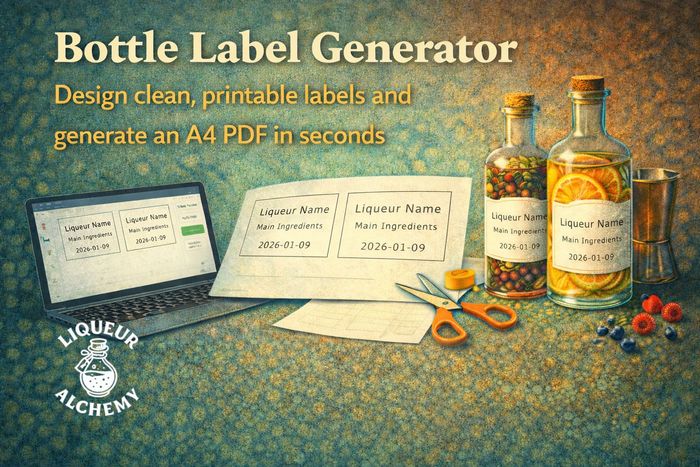
Bottle Label Generator preview

Bottle Label Generator

Create clean bottle labels with your liqueur name, batch details, date — ready for printing and gifting.
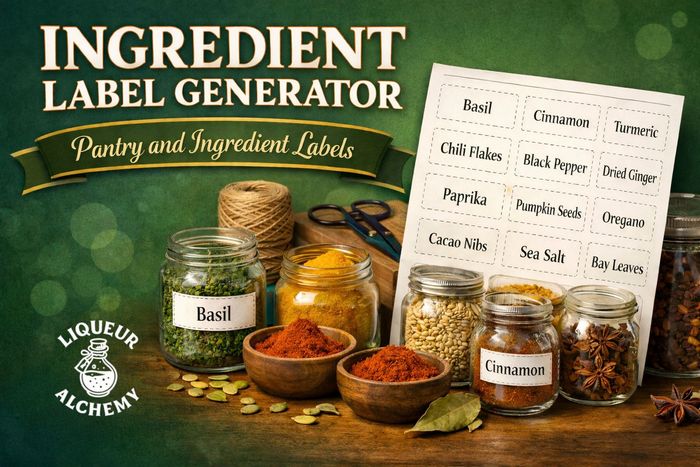
Ingredient Label Generator preview

Ingredient Label Generator

Label jars, containers, and storage bags to maintain clear organization from preparation through infusion and serving.
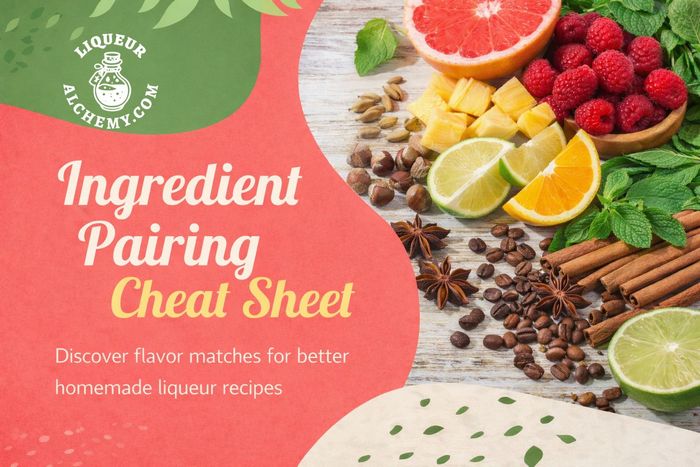
Ingredient pairing cheat sheet for creating balanced homemade liqueurs

Ingredient Pairing Cheat Sheet

Discover flavor combinations that create balanced, complex, and unique homemade liqueurs.