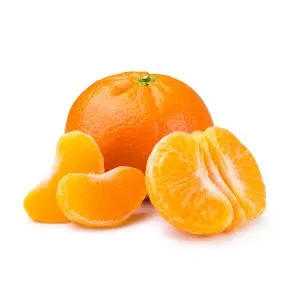
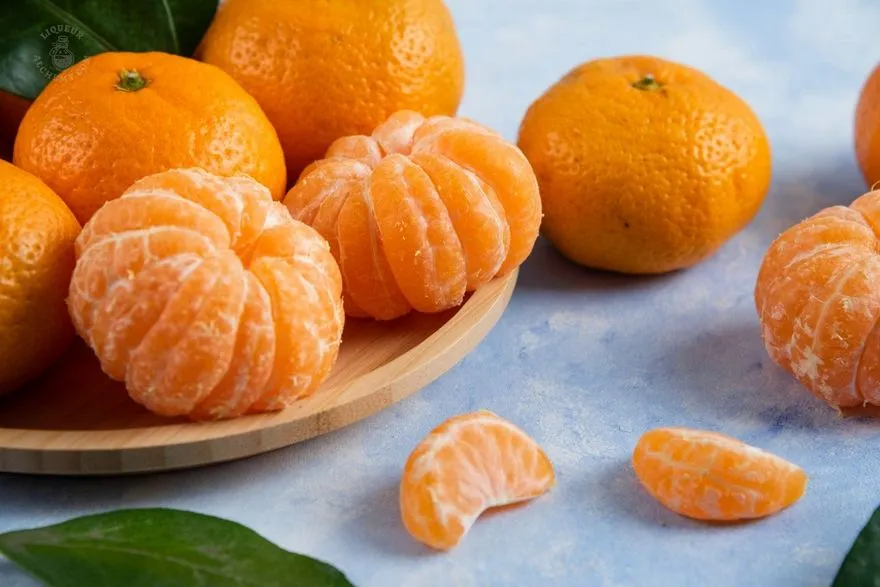
Mandarine

Mandarine for Liqueur Infusions – Flavor & Pairing Tips

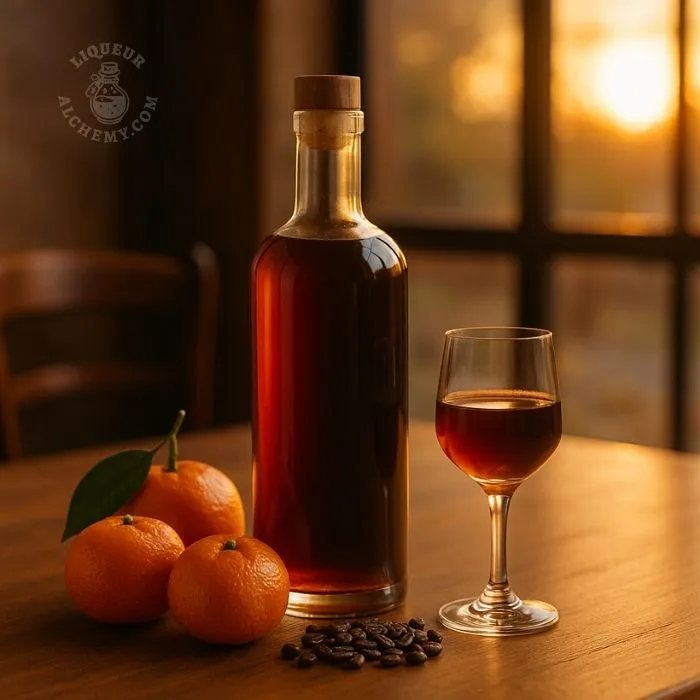
Mandarine offers delicate sweetness with a floral, honeyed tone. Its zest and juice infuse liqueurs with bright color and aroma, harmonizing with spices or berries for elegant, balanced flavor.

Mandarine

Home / Ingredients / Fruits / Mandarine

Mandarine Flavor Profile

Sweet citrus aroma, soft acidity, juicy and floral orange notes.
Mandarine Impact on Liqueurs

Adds bright, friendly citrus sweetness and fragrance.

How to Use Mandarine?

Use zest only; peel of 3–4 mandarines per 1 L. Infuse 5–10 days.

Mandarine Pairing Suggestions

Vodka, Cane Sugar, Orange Peel, Clove, Vanilla, Ginger, Honey, Cinnamon
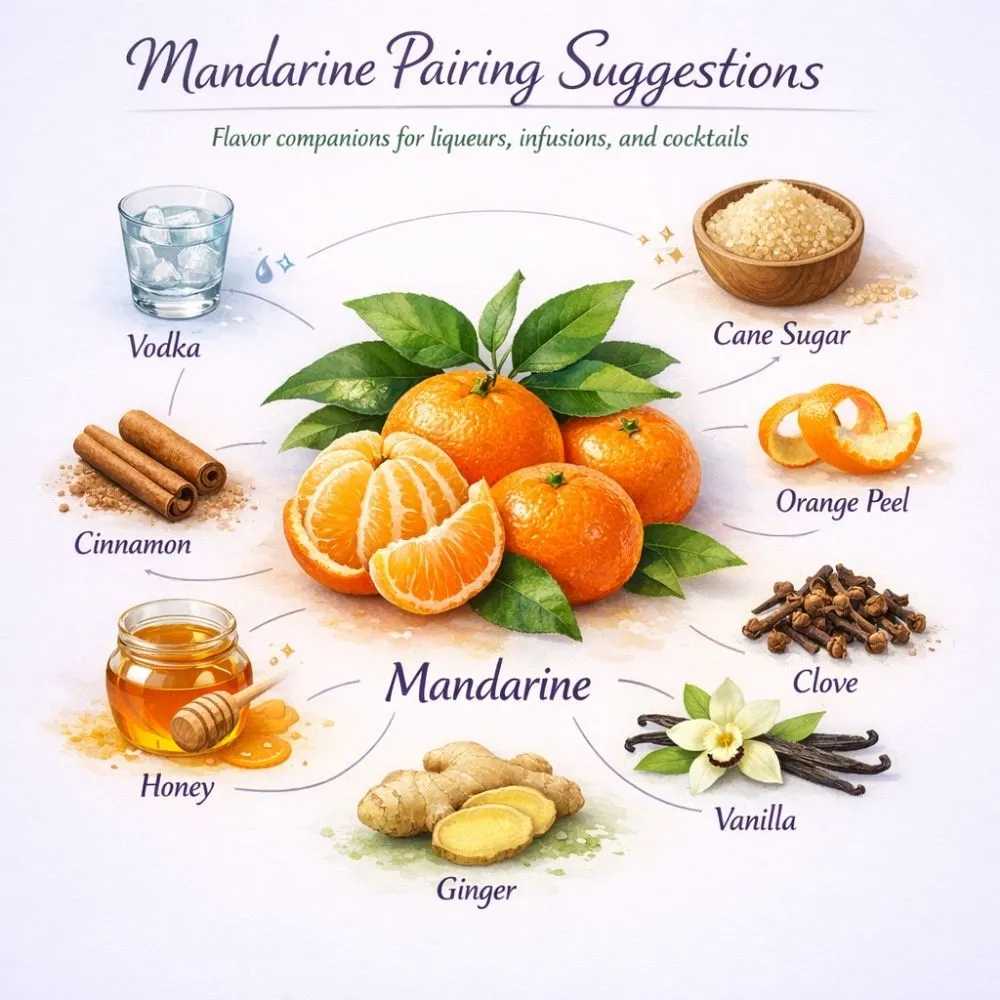
Mandarine pairing suggestions for liqueur making

Mandarine FAQ


Mandarine (mandarin) peel can turn bitter when too much white pith is included or when peel sits in alcohol for too long. The aromatic oils come out quickly, while bitterness builds later, so timing and clean zest are everything.

Use a peeler to remove only the colored outer zest in thin strips, avoiding pith. Start tasting after 24 hours; many mandarine infusions peak within 2–5 days depending on peel thickness and spirit strength.

If bitterness appears, strain immediately and balance with sweetness and rest. For more intensity without bitterness, do multiple short zest infusions with fresh peel rather than one long soak.

Choose firm, fragrant mandarines and avoid waxed fruit if possible, because wax can mute aroma and complicate extraction. Wash thoroughly and dry well before zesting to keep your jar clean and avoid unwanted dilution.

Prep for clean flavor by taking only the colored zest and using it fresh. If you need to hold zest, refrigerate it briefly in a sealed container, but the best aroma comes from zesting right before the alcohol contact.

After straining, store your finished liqueur sealed, cool, and dark. Citrus liqueurs often taste sharper at first, then round out after 1–2 weeks of rest as oils and sweetness integrate.

Several factors can influence the extraction behavior of mandarine in liqueur production. The choice of extraction method, whether cold infusion or heat, plays a significant role in flavor development. Cold infusion tends to yield a fresher taste, while heat can intensify certain notes but may also lead to the loss of some volatile compounds.

The duration of the extraction process is another critical factor. A longer steeping time can enhance flavor intensity, but it can also lead to unwanted bitterness if the pith is included. Monitoring the extraction time ensures that you achieve the desired balance of sweetness and acidity in the final product.

Lastly, the quality and ripeness of the mandarine used will directly impact the extraction results. Selecting fresh, ripe fruit ensures that the essential oils and sugars are at their peak, leading to a more flavorful and aromatic liqueur.

To avoid mistakes, start by selecting the right mandarines. Look for fruit that is firm and fragrant, as this will ensure the best flavor extraction. Avoid using fruit that is too soft or has blemishes.

Proper zesting is crucial. Use a microplane or zester to carefully remove the outer peel without the bitter white pith. This will enhance the aromatic profile of your liqueur and prevent a harsh taste.

Finally, give your liqueur enough time to steep. A minimum of two weeks is recommended to allow the mandarine flavors to fully develop. Taste periodically to achieve your desired flavor balance before bottling.

Yes, mandarin juice can be used as a substitute for fresh mandarine in liqueur recipes. It provides the same citrusy sweetness and can simplify the preparation process. Just make sure to choose a high-quality juice without added sugars or preservatives for the best flavor.

When using mandarin juice, keep in mind that it may be more concentrated than fresh fruit. Start with a smaller amount and adjust to taste, as you may need less juice than the equivalent amount of fresh mandarine.

Additionally, consider the overall balance of your liqueur. If the juice is too sweet, you might want to add a bit of acidity, such as lemon juice, to achieve the desired flavor profile. This will help maintain the complexity of your liqueur.
Mandarine
Mandarine in Liqueur Crafting

More Fruits


RELATED RECIPES OF LIQUEUR ALCHEMY


Explore more creations from Liqueur Alchemy that share similar flavours, techniques, or ingredients. These related recipes offer fresh ideas and inspired combinations to help you craft your next bold, homemade spirit.

LIQUEUR ALCHEMY TOOLS & RESOURCES


Design labels in minutes—beautiful, practical, and ready to print. Choose a tool below to generate bottle or ingredient labels that match your Liqueur Alchemy workflow.
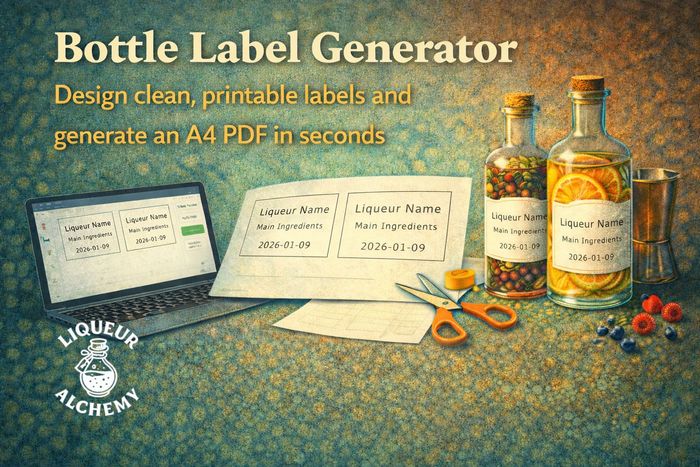
Bottle Label Generator preview

Bottle Label Generator

Create clean bottle labels with your liqueur name, batch details, date — ready for printing and gifting.
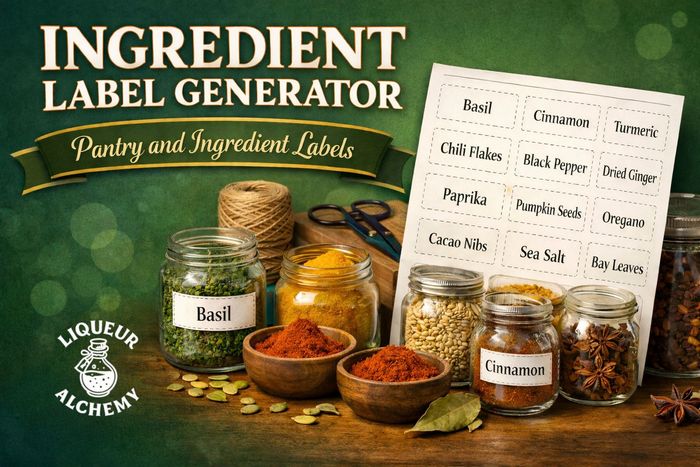
Ingredient Label Generator preview

Ingredient Label Generator

Label jars, containers, and storage bags to maintain clear organization from preparation through infusion and serving.
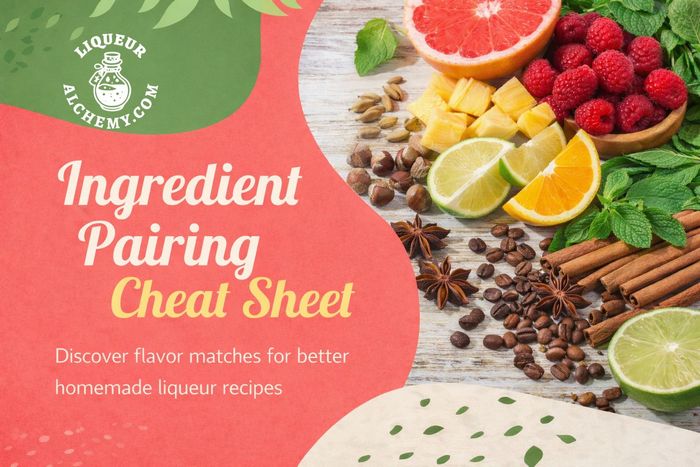
Ingredient pairing cheat sheet for creating balanced homemade liqueurs

Ingredient Pairing Cheat Sheet

Discover flavor combinations that create balanced, complex, and unique homemade liqueurs.