Cherry (Sweet)

Cherry (Sweet) for Liqueur Infusions – Flavor & Pairing Tips

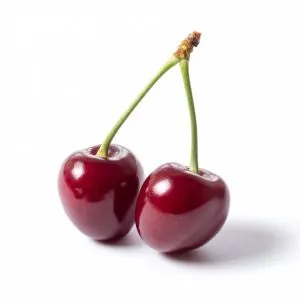
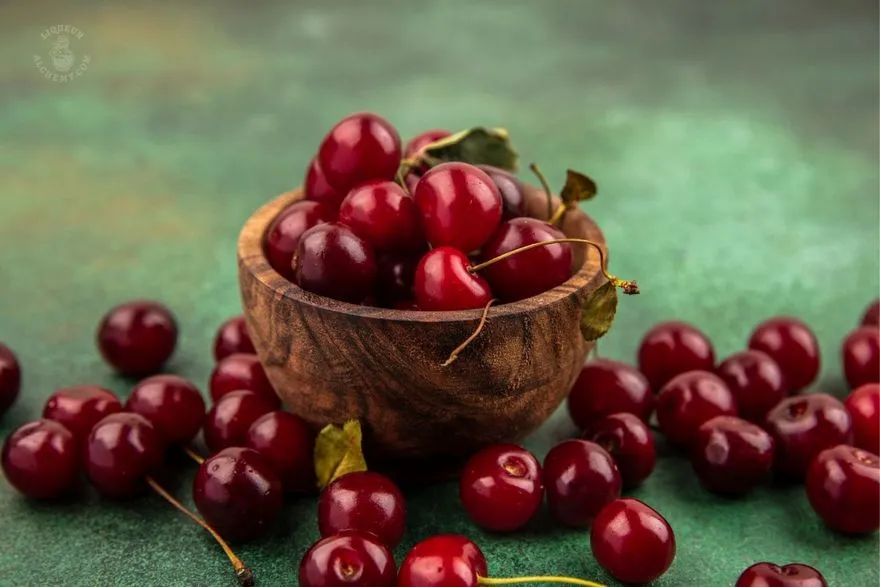
Cherries provide soft sweetness and a luxurious red tone. Their natural richness and subtle almond nuance pair beautifully with vanilla, spices, or chocolate, giving liqueurs warmth, body, and nostalgic sweetness.

Cherry (Sweet)

Home / Ingredients / Fruits / Cherry (Sweet)

Cherry (Sweet) Flavor Profile

Rich cherry sweetness, soft floral notes, jammy red-fruit character.

Cherry (Sweet) Impact on Liqueurs

Creates plush, dessert-style liqueurs with rounded sweetness and deep fruit body.

How to Use Cherry (Sweet)?

Use pitted fruit; 600–900 g per 1 L. Infuse 4–8 weeks in brandy or vodka.

Cherry (Sweet) Pairing Suggestions

Brandy, Cane Sugar, Vanilla, Almond, Cinnamon, Chocolate, Orange Peel, Honey
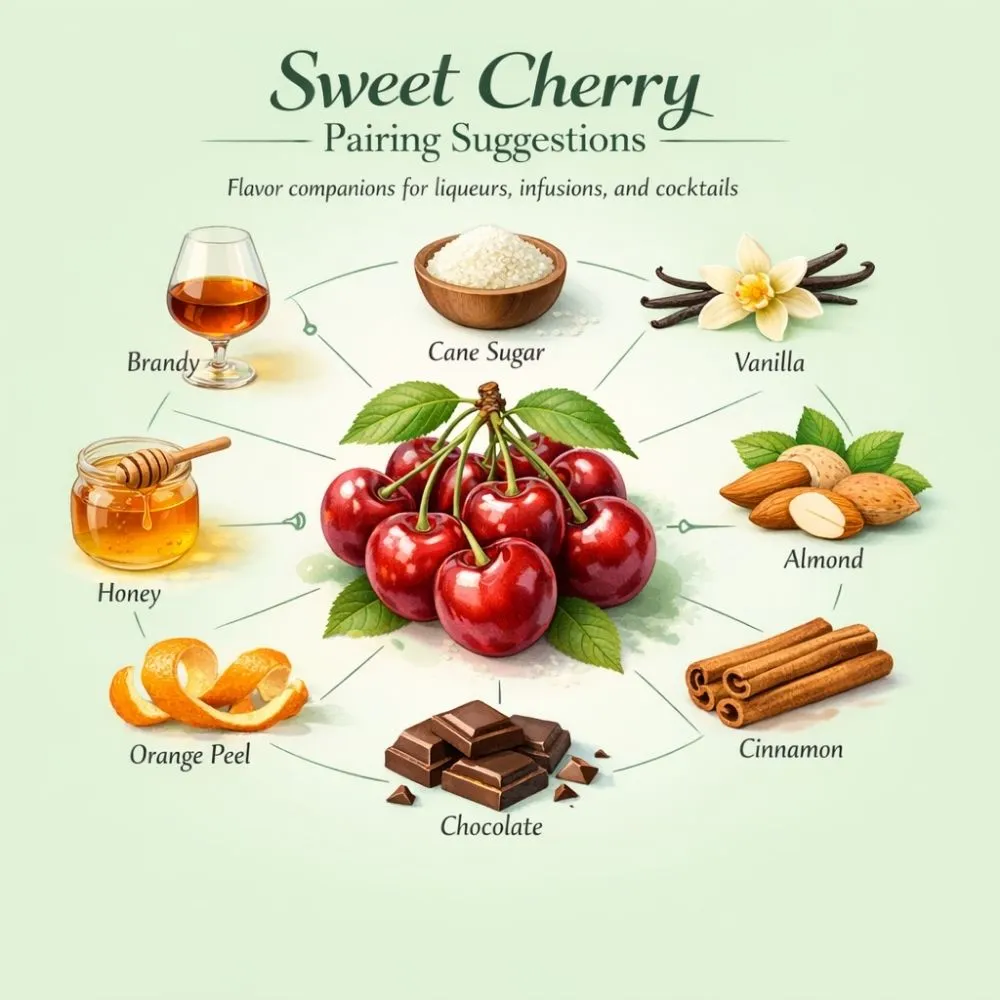
Cherry (Sweet) pairing suggestions for liqueur making

Cherry (Sweet) FAQ


Sweet cherries are known for their vibrant color and rich flavor, which can significantly enhance liqueurs. During extraction, the natural sugars in sweet cherries dissolve into the alcohol, creating a balanced sweetness. This process typically requires a few weeks to achieve optimal flavor extraction.

The extraction behavior of sweet cherries is influenced by factors such as temperature and time. Warmer temperatures can accelerate the extraction process, while cooler conditions may prolong it. It's essential to monitor the infusion closely to avoid overpowering the liqueur with too much sweetness.

Additionally, the pH level of the alcohol can affect the extraction of flavors and colors from the cherries. Using a neutral spirit helps preserve the natural characteristics of the sweet cherries, resulting in a more authentic and enjoyable liqueur experience.

If you need a substitute for sweet cherries, consider using frozen cherries. They retain much of the flavor and sweetness of fresh cherries and can be used in a one-to-one ratio in your recipes.

Another excellent alternative is to use maraschino cherries, which are sweet and have a similar taste profile. However, they may add a slight artificial flavor, so adjust your other ingredients accordingly.

Lastly, you can try using ripe strawberries or raspberries. While they have a different flavor, they can provide a similar sweetness and fruity essence, making them a versatile option in your liqueur creations.

The best time to add sweet cherries is during the initial maceration phase. This allows their flavors to infuse into the spirit effectively. Typically, this phase lasts between 2 to 4 weeks, depending on your desired intensity.

Adding cherries too late in the process can result in a less pronounced flavor. It's essential to monitor the infusion and taste periodically to achieve the perfect balance. If you prefer a fresher cherry flavor, consider adding some cherries towards the end of the process.

After the maceration, you can strain the mixture and bottle your liqueur. Remember, the longer the cherries sit, the more robust the flavor becomes, so timing is crucial for your desired outcome.

One common mistake is not properly selecting ripe sweet cherries. Using under-ripe or overripe cherries can lead to imbalanced flavors in your liqueur. Always choose cherries that are firm and vibrant in color for the best results.

Another frequent error is neglecting to wash and prepare the cherries correctly. It's essential to remove any stems and pits, as these can impart undesirable flavors. Thoroughly rinsing the cherries helps eliminate pesticides and ensures a clean taste.

Lastly, many home liqueur makers underestimate the importance of maceration time. Sweet cherries require adequate time to infuse their flavors into the spirit. Rushing this process can result in a liqueur that lacks depth and character.

Sweet cherries add a rich, fruity flavor that can elevate the overall taste of liqueurs. Their natural sweetness can balance out the bitterness of other ingredients, creating a harmonious blend. This makes them a popular choice for crafting delicious, well-rounded liqueurs.

The vibrant color of sweet cherries also contributes visually to the liqueur, making it more appealing. The deep red hue can attract consumers and enhance the drinking experience. Additionally, their aroma adds to the sensory profile, making the liqueur more enticing.

When used in liqueurs, sweet cherries can evoke feelings of nostalgia and warmth, often associated with homemade preserves or summer desserts. This emotional connection can enhance consumer enjoyment and preference for the final product.
Cherry (Sweet)
Cherry (Sweet) in Liqueur Crafting

More Fruits


LIQUEUR ALCHEMY TOOLS & RESOURCES


Design labels in minutes—beautiful, practical, and ready to print. Choose a tool below to generate bottle or ingredient labels that match your Liqueur Alchemy workflow.
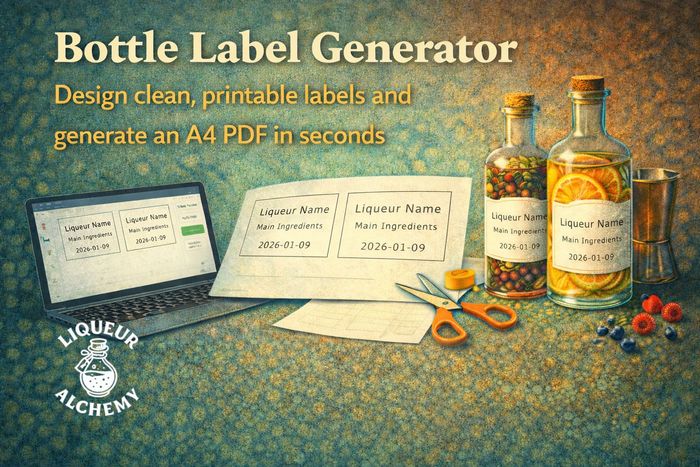
Bottle Label Generator preview

Bottle Label Generator

Create clean bottle labels with your liqueur name, batch details, date — ready for printing and gifting.
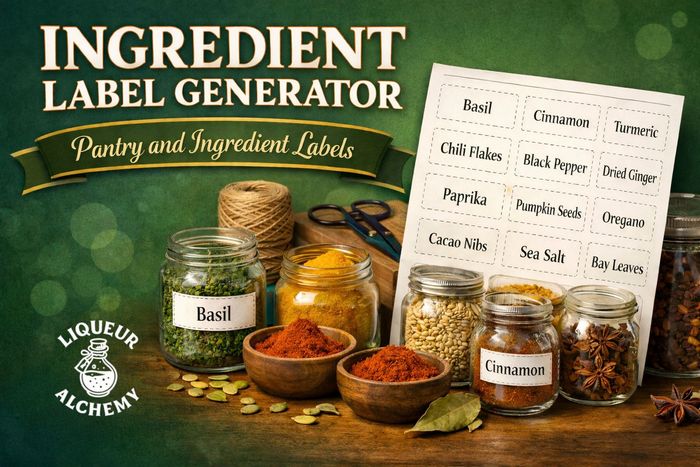
Ingredient Label Generator preview

Ingredient Label Generator

Label jars, containers, and storage bags to maintain clear organization from preparation through infusion and serving.

Ingredient pairing cheat sheet for creating balanced homemade liqueurs

Ingredient Pairing Cheat Sheet

Discover flavor combinations that create balanced, complex, and unique homemade liqueurs.