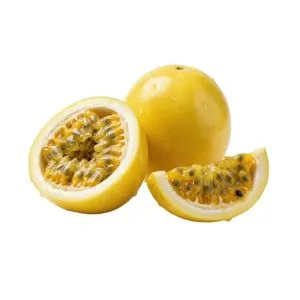
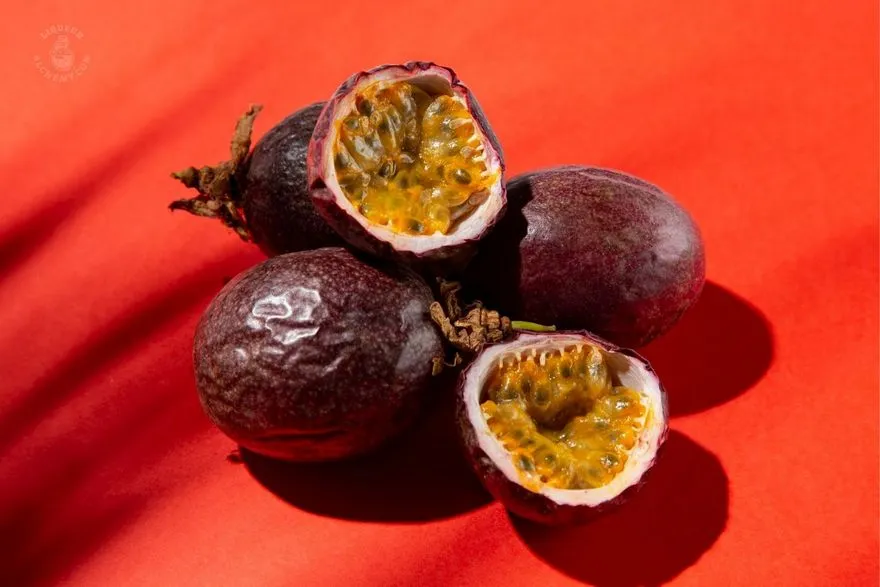
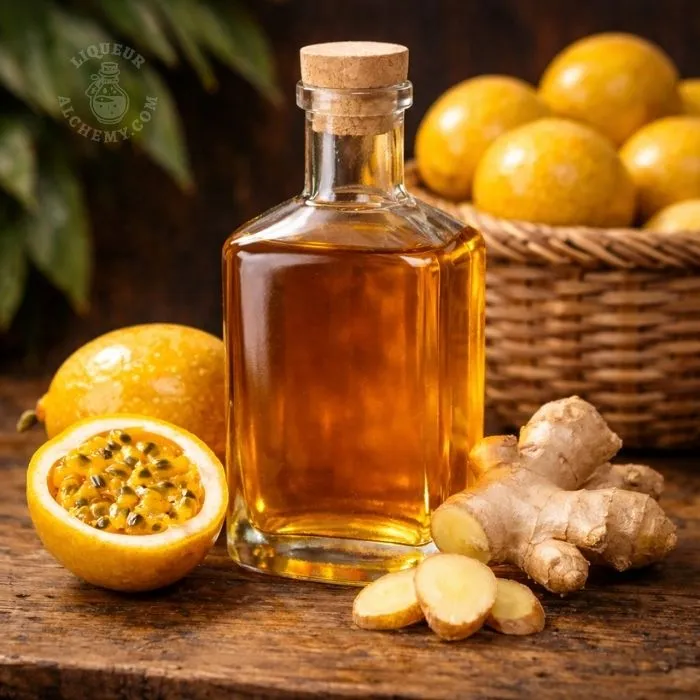
Passion Fruit

Passion Fruit for Liqueur Infusions – Flavor & Pairing Tips

Passion fruit brings bold tropical aroma and lively acidity to liqueurs, delivering an instantly recognizable, vibrant character. Its juicy pulp balances sweetness with sharp freshness, creating a bright and energetic profile. When infused, passion fruit releases intense fragrance and golden color, pairing beautifully with rum, vodka, citrus, or spice. It enhances complexity while keeping liqueurs refreshing, expressive, and irresistibly tropical with a long, aromatic finish.

Passion Fruit

Home / Ingredients / Fruits / Passion Fruit

Passion Fruit Flavor Profile

Intensely aromatic tropical fruit, sharp acidity, bright sweet-sour punch.

Passion Fruit Impact on Liqueurs

Adds vivid tropical intensity and acidity, energising sweet liqueurs.

How to Use Passion Fruit?

Use fresh pulp with seeds; 300–500 g per 1 L. Infuse 2–4 weeks in vodka or rum.

Passion Fruit Pairing Suggestions

Rum, Cane Sugar, Lime, Mango, Pineapple, Vanilla, Ginger, Honey
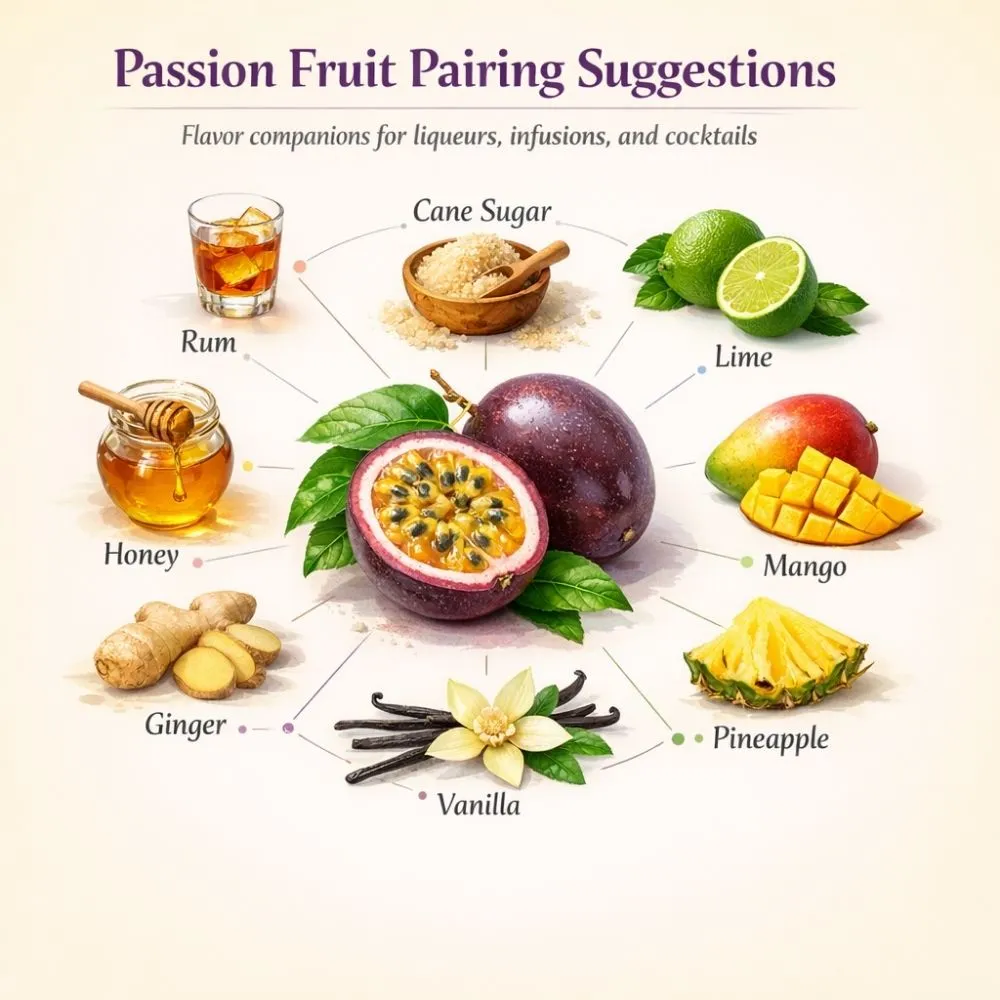
Passion Fruit pairing suggestions for liqueur making

Passion Fruit FAQ


You can, but passion fruit is pulpy and seedy, so filtration is the main challenge. Scoop the pulp, then use a mesh bag or fine strainer to separate some juice from seeds before infusion. Infuse at 40–50% ABV and taste from day 2; many batches peak around 5–10 days.

Dosage: for strong flavor, 250–500 g pulp per liter (or an equivalent measured amount of juice concentrate) works. Strain in stages, cold-settle 24–72 hours, then decant before fine filtering. Sweeten after straining; passion fruit needs sugar to round its sharp tropical acidity.

Common mistakes include blending (sludge), squeezing filters, and lowering ABV too much with juice. Flavor impact should be intensely aromatic, tart-tropical. Store cool and dark; passion fruit top notes fade with heat and oxygen, so bottle small and minimize headspace.

Fresh fruit gives the best aroma and complexity, but it’s messy. Puree is convenient but often contains stabilizers and can be hard to clarify; it tends to make hazier liqueurs. Juice is easiest, but it can dilute and taste thinner unless it’s a strong concentrate.

A good compromise is fresh pulp for a short infusion, then strain hard and sweeten to taste. If using puree, use smaller amounts and let it settle longer before filtering. If using juice, add it after you’ve made an alcohol infusion and keep ABV stable.

Common mistakes include dumping in lots of puree and expecting it to filter quickly. Flavor impact should be bright tropical with a tart edge. Store cool; passion fruit benefits from fresher consumption.

Several factors influence the extraction of passion fruit in liqueur production, including the fruit's ripeness, the alcohol concentration, and the extraction time. Ripe passion fruits contain higher levels of aromatic compounds, which are essential for flavor development.

The type of alcohol used also plays a significant role. Higher alcohol concentrations can enhance the extraction of flavors, while lower concentrations may result in a milder profile. It's important to choose the right base spirit to complement the passion fruit's characteristics.

Finally, the duration of the extraction process can impact the final flavor. A longer extraction time can lead to a more intense flavor, but care must be taken to avoid over-extraction, which can introduce undesirable bitterness or off-flavors.

To avoid mistakes, always select ripe passion fruits that yield slightly to pressure. This ensures maximum flavor and sweetness, which are crucial for crafting a delicious liqueur.

Additionally, be meticulous in the extraction process. Use a fine mesh strainer to separate the pulp and seeds from the juice, ensuring a smooth consistency that enhances the drinking experience.

Lastly, measure your ingredients carefully. Passion fruit is potent, so using the right amount is key to achieving a balanced flavor. Experiment with different quantities to find the perfect blend for your liqueur.

Yes, you can replace passion fruit with other fruits in your liqueur recipes. Fruits like pineapple or apricot can work well due to their tropical flavors and sweetness. These substitutions can provide a unique twist while still maintaining a fruity essence in your liqueur.

When substituting, consider the texture and sweetness of the fruit. For instance, if you use a fruit that is less sweet, you may need to adjust the sugar content in your recipe. Taste testing is key to achieving the right balance.

Additionally, fruits like pomegranate or raspberry can add a different flavor profile while still offering a vibrant color and refreshing taste. Experimenting with these alternatives can lead to exciting new liqueur creations.
Passion Fruit
Passion Fruit in Liqueur Crafting

More Fruits


RELATED RECIPES OF LIQUEUR ALCHEMY


Explore more creations from Liqueur Alchemy that share similar flavours, techniques, or ingredients. These related recipes offer fresh ideas and inspired combinations to help you craft your next bold, homemade spirit.

LIQUEUR ALCHEMY TOOLS & RESOURCES


Design labels in minutes—beautiful, practical, and ready to print. Choose a tool below to generate bottle or ingredient labels that match your Liqueur Alchemy workflow.
Bottle Label Generator preview

Bottle Label Generator

Create clean bottle labels with your liqueur name, batch details, date — ready for printing and gifting.
Ingredient Label Generator preview

Ingredient Label Generator

Label jars, containers, and storage bags to maintain clear organization from preparation through infusion and serving.
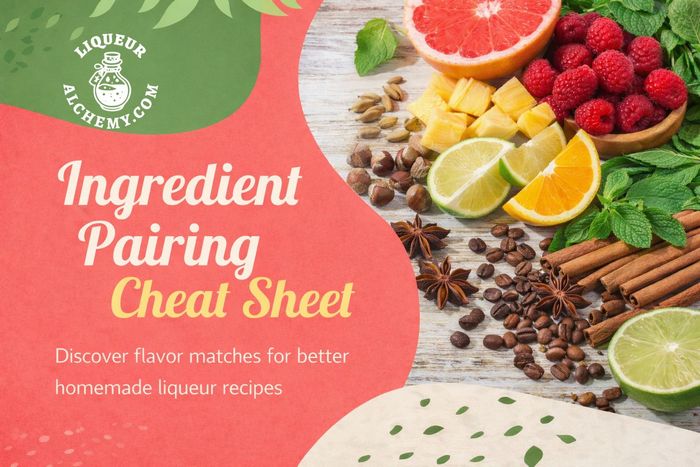
Ingredient pairing cheat sheet for creating balanced homemade liqueurs

Ingredient Pairing Cheat Sheet

Discover flavor combinations that create balanced, complex, and unique homemade liqueurs.