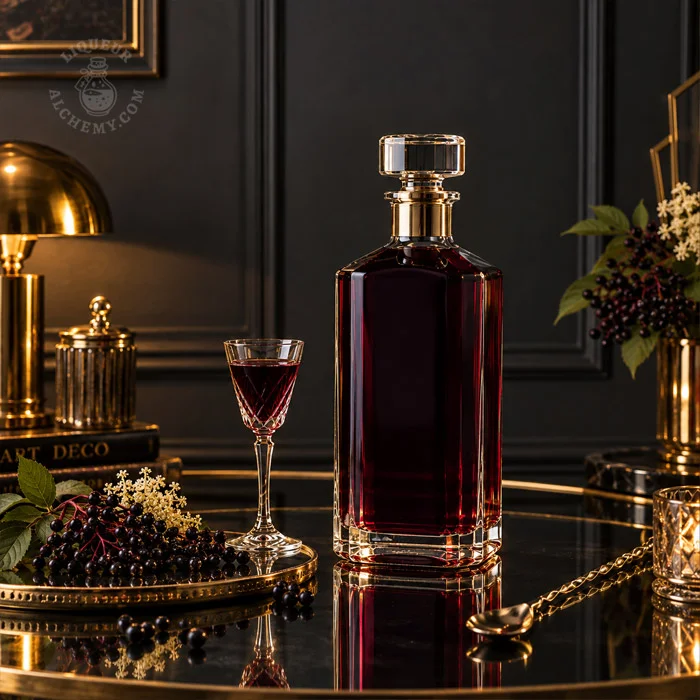
Can I use fresh elderberries for liqueur, or should they be cooked first?
Ingredients and Sweeteners That Shape Liqueur Flavor
Direct Answer
Fresh elderberries are often heated or concentrated before blending with alcohol; dried can infuse directly. Use 40–50% ABV and strain 7–14 days to avoid tannin.
Expanded Explanation
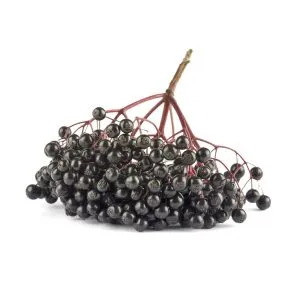
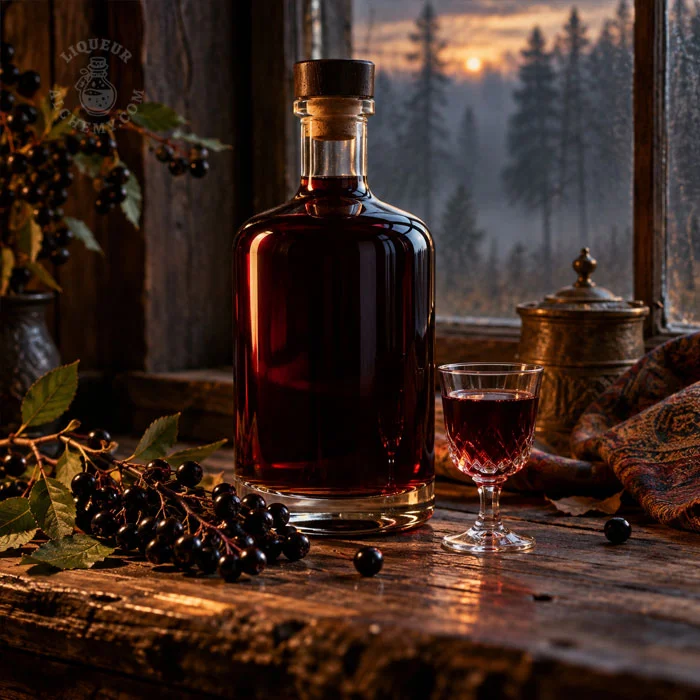
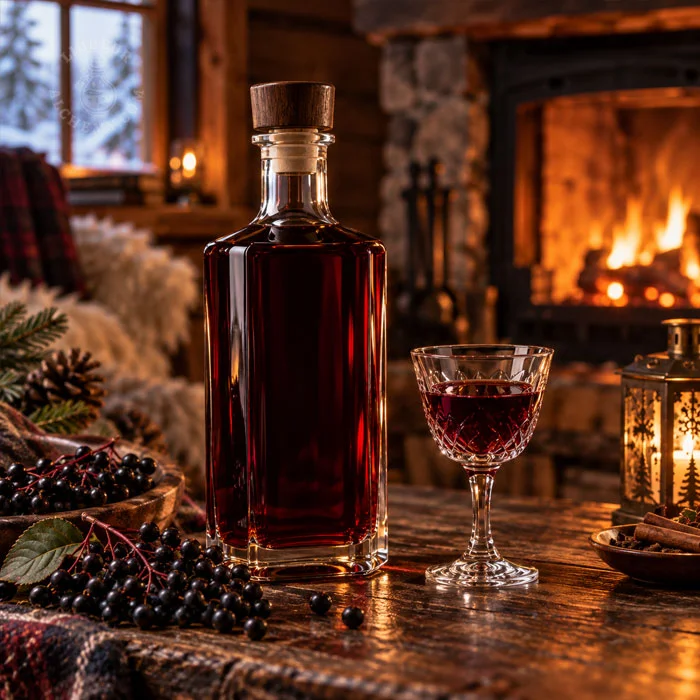
Elderberries are commonly cooked or at least gently heated because raw berries can contain compounds that can upset the stomach, and heating also helps break down berries for extraction. A safe, simple approach is to freeze the berries (to rupture cells), then simmer briefly with a small amount of water to make a concentrate—cool completely—then blend into your alcohol base. If you’re using dried elderberries, you can usually infuse directly.
For infusion, 40–50% ABV works well. Elderberry is strong and dark-fruited, so start tasting at day 3–5 and strain around days 7–14. If using a cooked concentrate, add it after straining your spice/citrus components so you can control color, tannin, and sweetness.
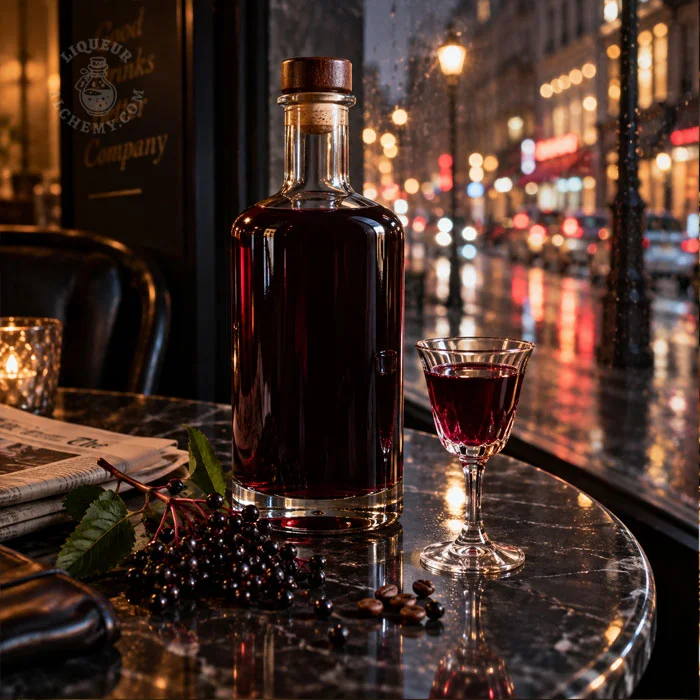
Common mistakes include over-steeping (tannic), crushing seeds aggressively, and overspicing (elderberry likes subtle warmth). Flavor impact is blackberry-like, winey, and deep; pairs well with lemon peel and vanilla. Store cool and dark; elderberry liqueurs age nicely and mellow over a month.