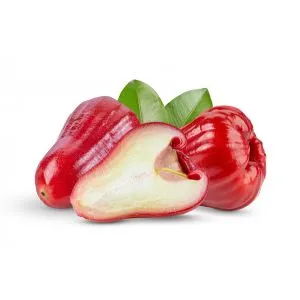
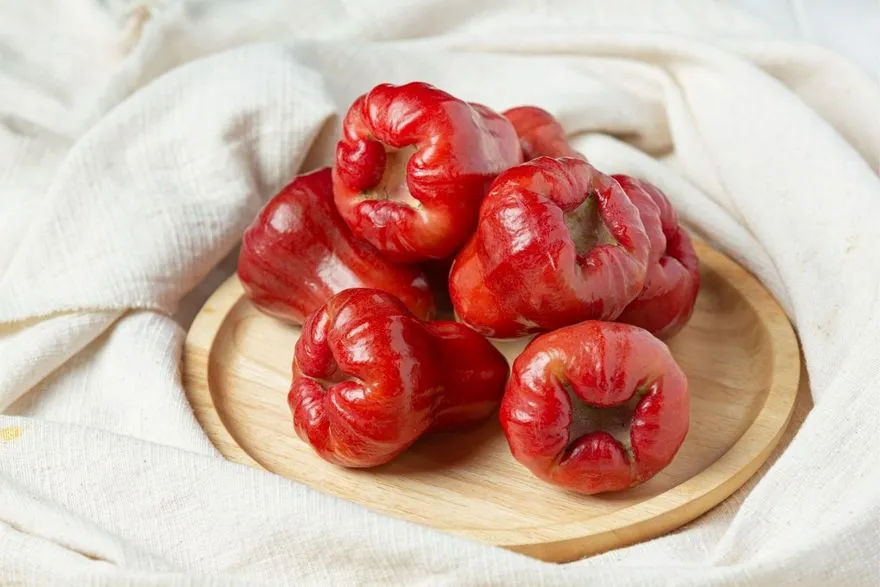
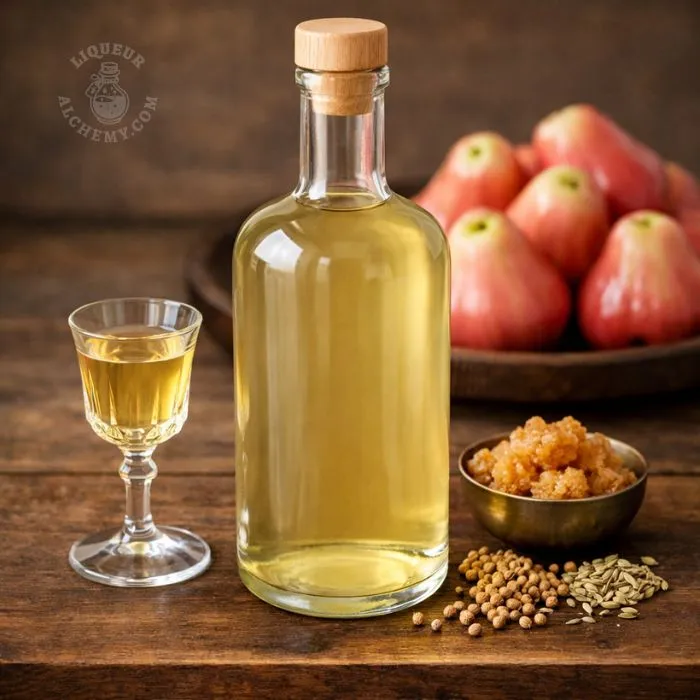
Rose Apple

Rose Apple for Liqueur Infusions – Floral Freshness & Pairings

Rose apple has a clean, juicy crunch with a subtle rose-like floral aroma and very light sweetness, making it ideal for delicate, refreshing liqueurs. Because the fruit is mild, it works best as a base for herbs, citrus, or fragrant botanicals rather than a stand-alone powerhouse. Vodka captures its clarity, while a touch of honey can enhance the floral note without making it heavy. Use fresh fruit and moderate infusion times to avoid fading aromas.

Rose Apple

Home / Ingredients / Fruits / Rose Apple

Rose Apple Flavor Profile

Crisp watery fruit, delicate rose-floral aroma, mild sweetness, clean finish.
Rose Apple Impact on Liqueurs

Creates light, airy liqueurs and enhances floral botanicals without adding heaviness or strong acidity.

How to Use Rose Apple?

Use fresh chopped fruit; 500–900 g per 1 L. Infuse 1–3 weeks in vodka; sweeten lightly after straining.

Rose Apple Pairing Suggestions

Vodka, Cane Sugar, Pink Pepper, Lime, Ginger, Honey, Lychee, Mint
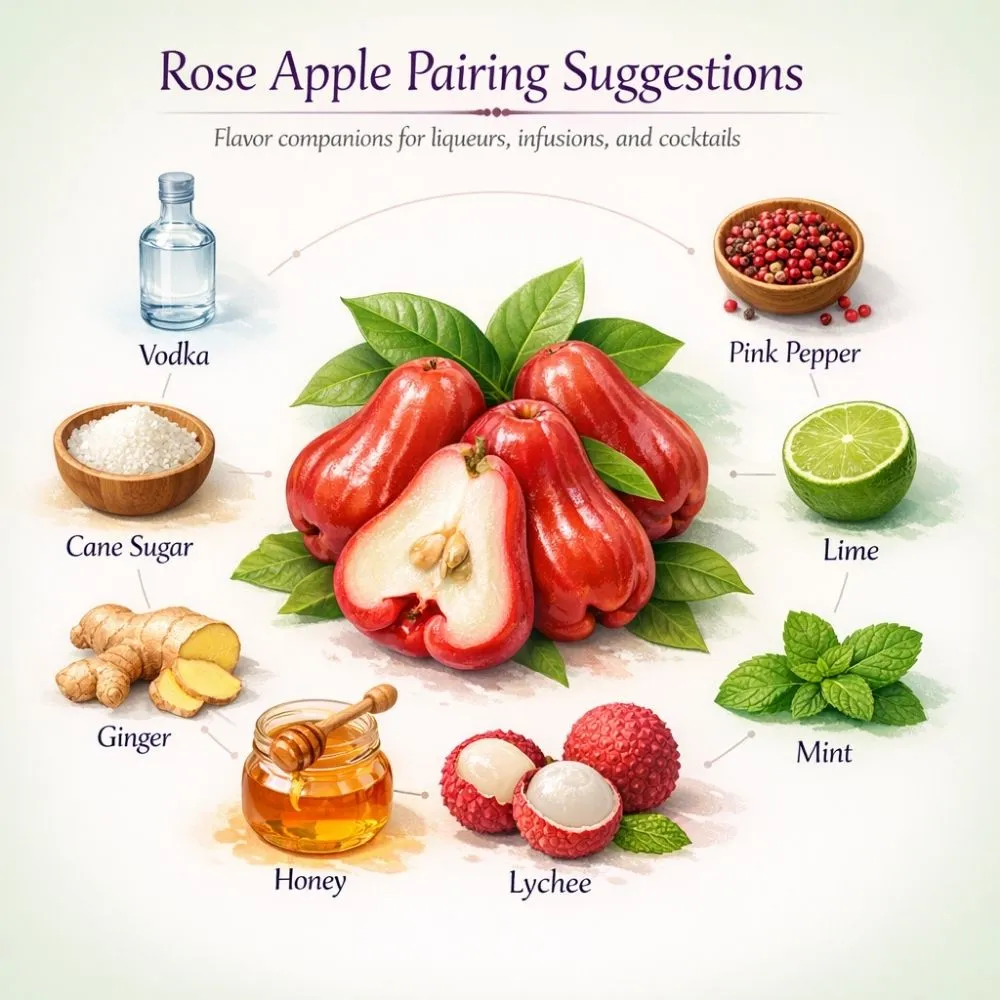
Rose Apple pairing suggestions for liqueur making

Rose Apple FAQ


Rose apple is subtle—floral, watery, and perfumed—so the goal is gentle, short extraction and minimal oxygen. Use fresh, fragrant fruit, slice it, and infuse at 40–50% ABV. Start tasting at day 1–2; many batches peak around 3–10 days.

Dosage: 500–1000 g fruit per liter because the flavor is light. Strain gently and sweeten after straining. A small citrus lift (lime zest briefly) can help keep the aroma “alive” without dominating.

Common mistakes include long macerations, warm storage, and heavy spices that bury the fruit. Flavor impact should be airy, rosy-fruity, and refreshing. Store cool and dark; bottle small and keep headspace low once opened.

Vodka is best for preserving rose apple’s delicate perfume. Gin can work if it’s a very light botanical gin, but many gins will overpower the fruit. Light rum can be pleasant, but it shifts the profile toward caramel and can hide the floral edge.

Infuse at 40–50% ABV, strain early (3–10 days), then sweeten gradually. If using gin, keep infusion shorter and avoid adding additional strong botanicals.

Common mistakes include using strongly flavored spirits and over-sweetening. Flavor impact should be airy and floral-fruity. Store cool and dark; smaller bottles help retain aroma after opening.

Several factors influence the extraction efficiency of rose apple when crafting liqueurs. The ripeness of the fruit plays a significant role; fully ripe rose apples yield more flavor and aroma compared to under-ripe ones. Additionally, the method of preparation, such as slicing or crushing the fruit, can enhance the surface area for extraction.

The choice of alcohol base also impacts extraction efficiency. Higher alcohol content can extract flavors more effectively, while lower alcohol may result in a milder taste. It's important to consider the balance of alcohol and sugar in the final liqueur, as this can affect the overall extraction process.

Lastly, temperature and time are critical factors. Warmer temperatures can speed up extraction but may risk losing delicate flavors if left too long. Monitoring these variables will help achieve the desired intensity and complexity in your rose apple liqueur.

Yes, you can replace rose apple with other fruits in your liqueur recipe. Fruits like pear can be an excellent choice due to their similar texture and subtle sweetness. Pears can add a refreshing quality that complements many liqueur bases.

Another option is to use lychee, which offers a unique floral sweetness that can mimic the essence of rose apple. Lychee can bring an exotic twist to your liqueur, enhancing its aromatic profile and making it stand out.

Lastly, consider using passion fruit for a more tart and vibrant flavor. While it diverges from the sweetness of rose apple, it can create a delightful balance in your liqueur, especially when combined with other sweeter ingredients.

The best time to add rose apple in the liqueur-making process is during the initial maceration stage. This allows the fruit to release its flavors and aromas into the alcohol effectively. Starting with fresh rose apples will yield the best results.

Maceration should typically last between one to two weeks, depending on your taste preferences. During this time, the natural sugars and flavors from the rose apple will blend with the alcohol, creating a harmonious balance. You can taste your mixture periodically to monitor the flavor development.

After the maceration period, you can strain out the solids and proceed with sweetening or further flavor adjustments. This timing ensures that the liqueur has a well-rounded profile, showcasing the delicate notes of the rose apple.
Rose Apple
Rose Apple in Liqueur Crafting

More Fruits


RELATED RECIPES OF LIQUEUR ALCHEMY


Explore more creations from Liqueur Alchemy that share similar flavours, techniques, or ingredients. These related recipes offer fresh ideas and inspired combinations to help you craft your next bold, homemade spirit.

LIQUEUR ALCHEMY TOOLS & RESOURCES


Design labels in minutes—beautiful, practical, and ready to print. Choose a tool below to generate bottle or ingredient labels that match your Liqueur Alchemy workflow.
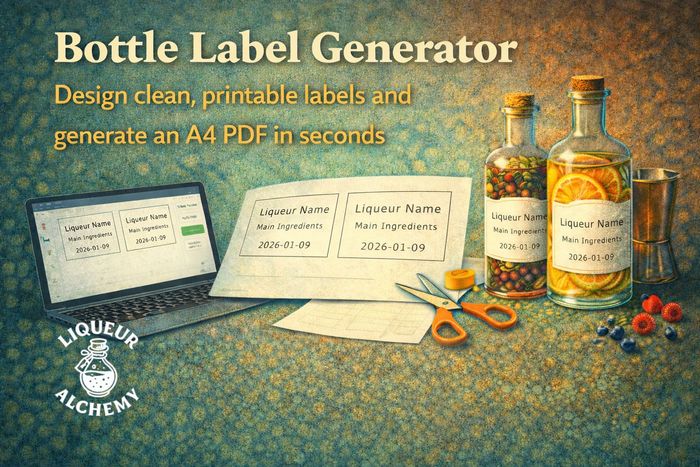
Bottle Label Generator preview

Bottle Label Generator

Create clean bottle labels with your liqueur name, batch details, date — ready for printing and gifting.
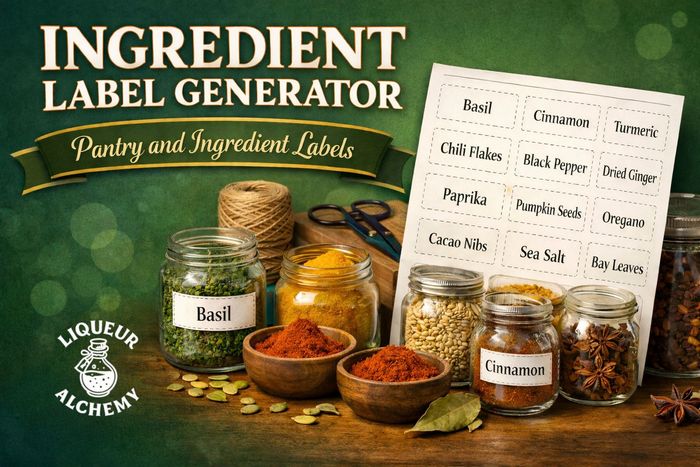
Ingredient Label Generator preview

Ingredient Label Generator

Label jars, containers, and storage bags to maintain clear organization from preparation through infusion and serving.
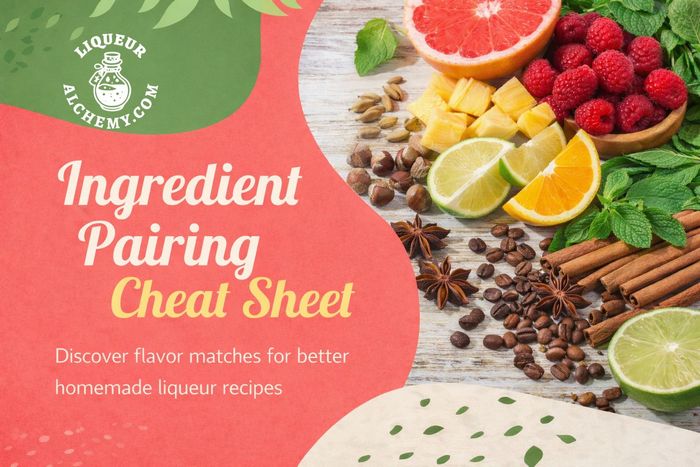
Ingredient pairing cheat sheet for creating balanced homemade liqueurs

Ingredient Pairing Cheat Sheet

Discover flavor combinations that create balanced, complex, and unique homemade liqueurs.