Salak (Snake Fruit)

Salak in Liqueurs: Honeyed Tang, Crisp Fruit Snap, and Bright Lift

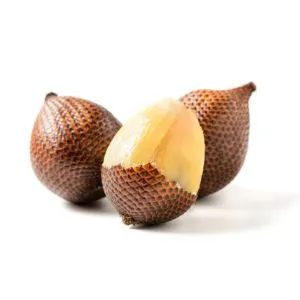
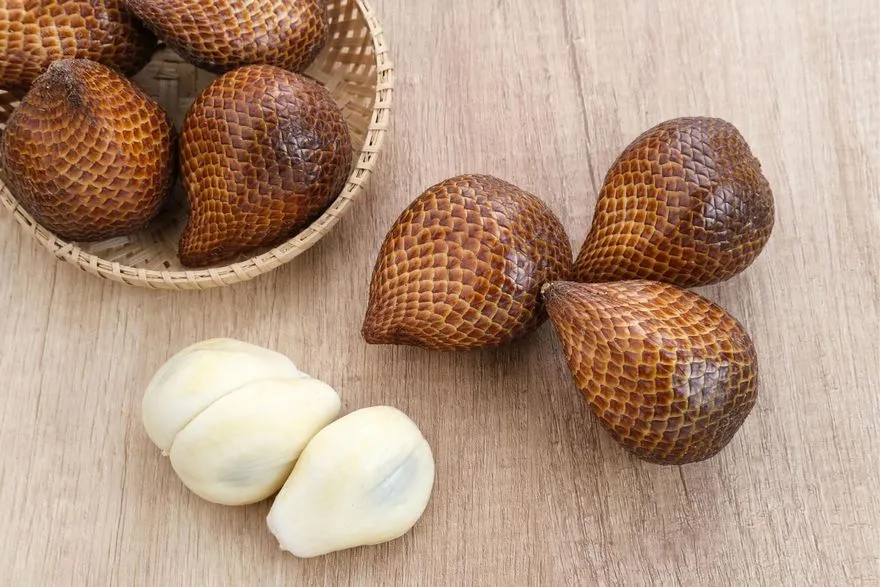
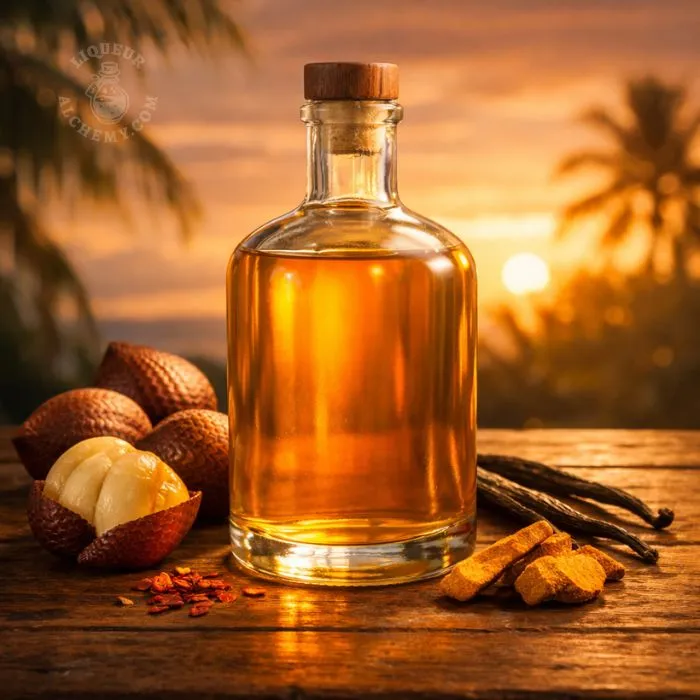
Salak (snake fruit) tastes like a tropical mash-up of crisp apple, pineapple, and light honey, with a gentle tannic grip that reads “dry” if over-extracted. In liqueurs it brings bright, refreshing acidity and a clean fruit snap that pairs beautifully with palm sugar, vanilla, ginger, and warm spices. Use peeled flesh only; avoid skin and seeds. Slice thin for faster extraction and taste early—7–14 days often captures peak fruit before woody notes appear. Strain, then rest 2–4 weeks so acidity and sweetness integrate into a smooth, vibrant finish.

Salak (Snake Fruit)

Home / Ingredients / Fruits / Salak (Snake Fruit)

Salak (Snake Fruit) Flavor Profile

crisp, honeyed, tangy, apple-like, pineapple, lightly tannic, tropical

Salak (Snake Fruit) Impact on Liqueurs

Adds bright tropical crunch and lively acidity; can turn woody/dry if left too long.

How to Use Salak (Snake Fruit)?

Peel fully and use only the flesh. Start with 300–600 g per 1 L spirit; slice thin and taste from day 5. Typical infusion 7–14 days, then strain. Sweeten in stages (palm sugar works well) and rest 2–4 weeks before final tasting.

Salak (Snake Fruit) Pairing Suggestions

Rum, Cane Sugar, Lime, Ginger, Pineapple, Honey, Cinnamon, Vanilla
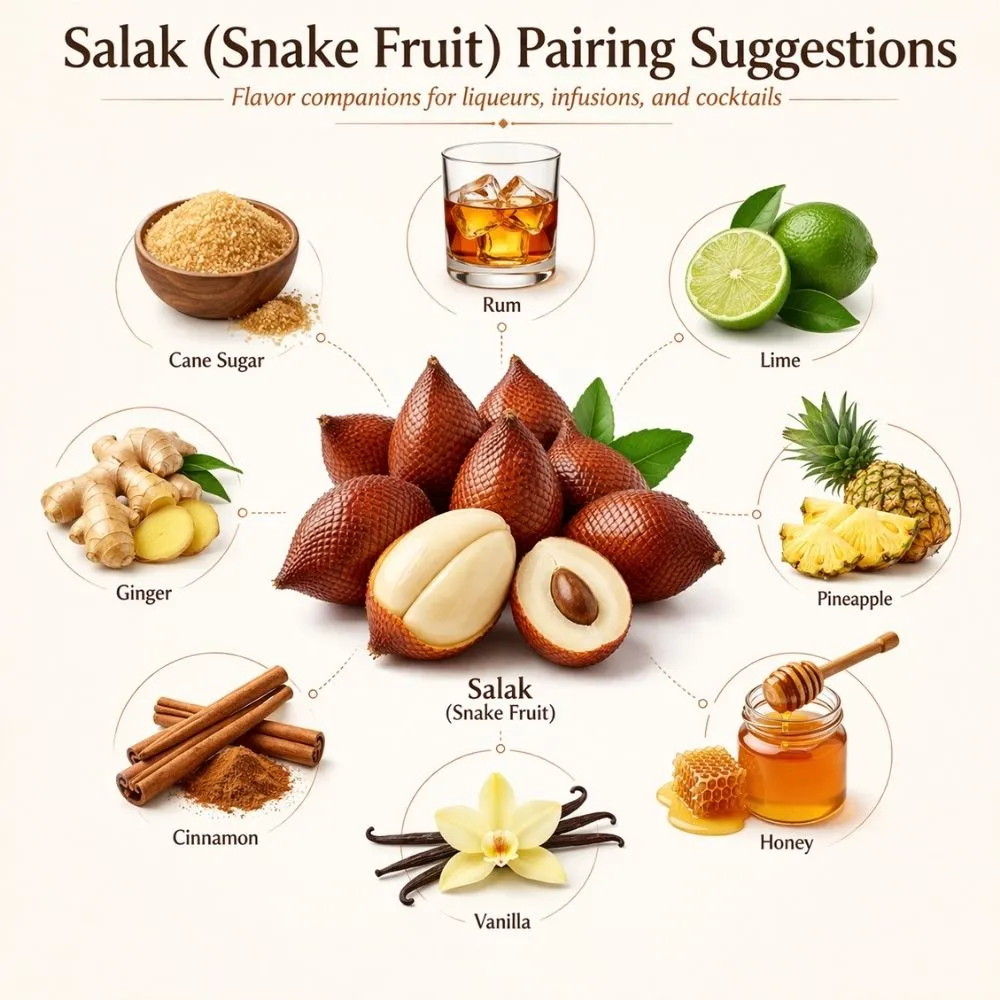
Salak (Snake Fruit) pairing suggestions for liqueur making

Salak (Snake Fruit) FAQ


Salak (snake fruit) extracts relatively quickly in alcohol because of its firm but porous flesh. Within the first few days, alcohol pulls out its honeyed, slightly acidic, apple‑pineapple notes. If left too long, subtle woody and tannic undertones can become more noticeable.

Because salak has moderate natural acidity but not much juice, it doesn’t heavily dilute the spirit. That makes it ideal for clean maceration at standard liqueur strengths. Slicing thinly increases surface area and speeds extraction, while larger chunks extract more slowly and gently.

For best results, infuse 5–14 days depending on slice size and desired intensity, tasting regularly. Once peak fruit aroma is reached, strain promptly to avoid dryness overtaking the bright tropical notes.

One common mistake is leaving woody inner parts in contact too long, which can introduce dry, tannic notes. Proper peeling and trimming keep the flavor clean and fruit‑forward.

Another issue is over-sweetening too early. Salak’s flavor deepens during resting, and too much sugar can flatten its delicate tropical edge and reduce perceived brightness.

Finally, poor storage reduces aroma. After straining and sweetening, store in airtight glass away from light. Salak benefits from 2–3 weeks of rest, but excessive aging can soften its fresh fruit identity.

To maximize flavor extraction from salak, start by selecting ripe fruits, as they contain the highest sugar levels and best flavor. Cut the fruit into small pieces to increase surface area, facilitating better extraction. Using a neutral spirit can help capture the fruit's essence without overpowering its natural taste.

Cold extraction methods are recommended to maintain the fruit's delicate flavors and aromas. Soaking the salak in alcohol for a few days can yield a vibrant infusion. It's important to taste periodically to determine the optimal extraction time, ensuring the final product remains balanced.

After extraction, consider straining the mixture well to remove any fibrous bits, which can affect the mouthfeel. This will result in a smoother liqueur that highlights the unique characteristics of salak, making it a delightful addition to your craft creations.

To avoid mistakes, start by selecting ripe salak for your liqueur. Check for a firm texture and a pleasant aroma, which indicates optimal ripeness and sweetness.

Next, ensure you properly prepare the fruit by peeling it and removing any seeds. This step is crucial to prevent bitterness and enhance the overall flavor of your liqueur.

Finally, experiment with small batches to find the right balance of salak with other ingredients. This allows you to adjust flavors without compromising a larger batch, ensuring a well-rounded final product.

Yes, you can use jackfruit as an alternative to salak in your liqueur recipes. Jackfruit has a sweet and fruity flavor that can add depth to your concoction. Its unique texture can also enhance the overall experience of the drink.

Another great substitute is the longan fruit. Longan has a sweet, floral taste that can replicate the exotic flavors of salak while providing a different yet enjoyable profile. This fruit can easily blend into your liqueur, offering a delightful twist.

Lastly, consider using passion fruit for a more tart and aromatic option. While it has a distinct flavor, its acidity and sweetness can complement other ingredients in your liqueur, creating a refreshing and vibrant drink.
Salak (Snake Fruit)
Salak (Snake Fruit) in Liqueur Crafting

More Fruits


RELATED RECIPES OF LIQUEUR ALCHEMY


Explore more creations from Liqueur Alchemy that share similar flavours, techniques, or ingredients. These related recipes offer fresh ideas and inspired combinations to help you craft your next bold, homemade spirit.

LIQUEUR ALCHEMY TOOLS & RESOURCES


Design labels in minutes—beautiful, practical, and ready to print. Choose a tool below to generate bottle or ingredient labels that match your Liqueur Alchemy workflow.
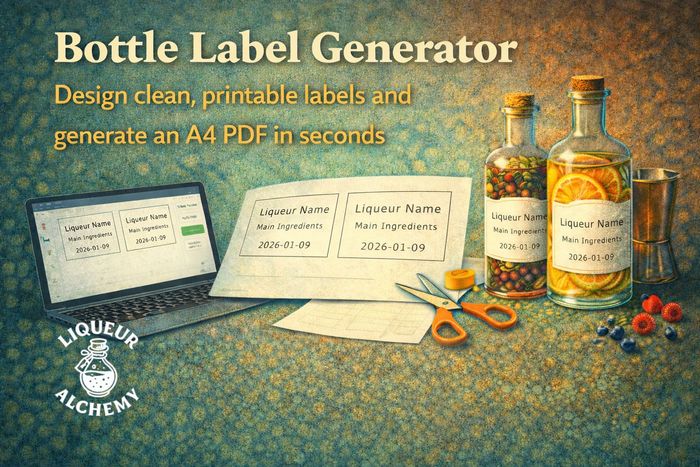
Bottle Label Generator preview

Bottle Label Generator

Create clean bottle labels with your liqueur name, batch details, date — ready for printing and gifting.
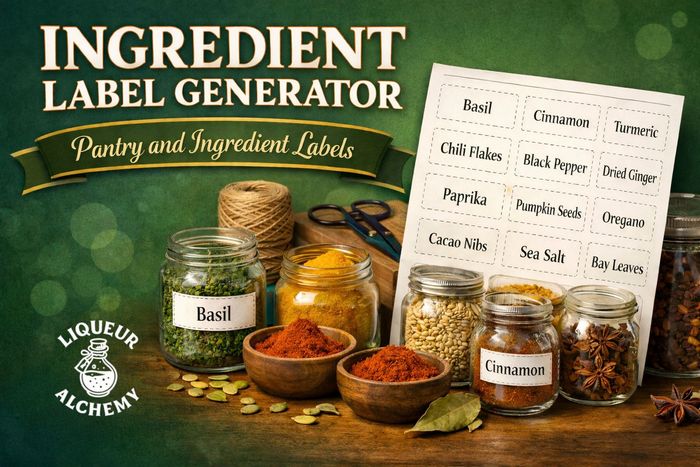
Ingredient Label Generator preview

Ingredient Label Generator

Label jars, containers, and storage bags to maintain clear organization from preparation through infusion and serving.
Ingredient pairing cheat sheet for creating balanced homemade liqueurs

Ingredient Pairing Cheat Sheet

Discover flavor combinations that create balanced, complex, and unique homemade liqueurs.