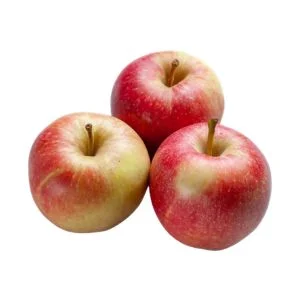
Apple (Jonagold)

Jonagold Apple in Liqueur Making: Sweetness, Aroma and Balance

Jonagold apple is valued in liqueur making for its balanced sweetness, mellow acidity, and fragrant orchard character. It offers more roundness and fruit clarity than sharper cooking apples, making it especially useful in smooth, approachable infusions. In homemade liqueurs, Jonagold adds body, softness, and a fresh apple aroma while helping sweeteners, spices, and citrus feel more integrated. It works particularly well in recipes built for warmth, comfort, and elegant fruit balance.

Apple (Jonagold)

Home / Ingredients / Fruits / Apple (Jonagold)

Apple (Jonagold) Flavor Profile

Juicy, sweet, mildly tart, aromatic, smooth, and fruity with soft orchard notes and gentle freshness.
Apple (Jonagold) Impact on Liqueurs

Adds body, sweetness, softness, and rounded fruit character, helping liqueurs feel fuller, smoother, and more balanced.

How to Use Apple (Jonagold)?

Use ripe, aromatic fruit with the core removed and slices cut evenly for consistent extraction. Jonagold works well with warming spices, citrus, and honey, and benefits from careful timing to keep the apple fresh rather than stewed.

Apple (Jonagold) Pairing Suggestions

Vodka, Brandy, Calvados, Cane Sugar, Honey, Cinnamon, Vanilla, Orange Zest, Ginger, Pear
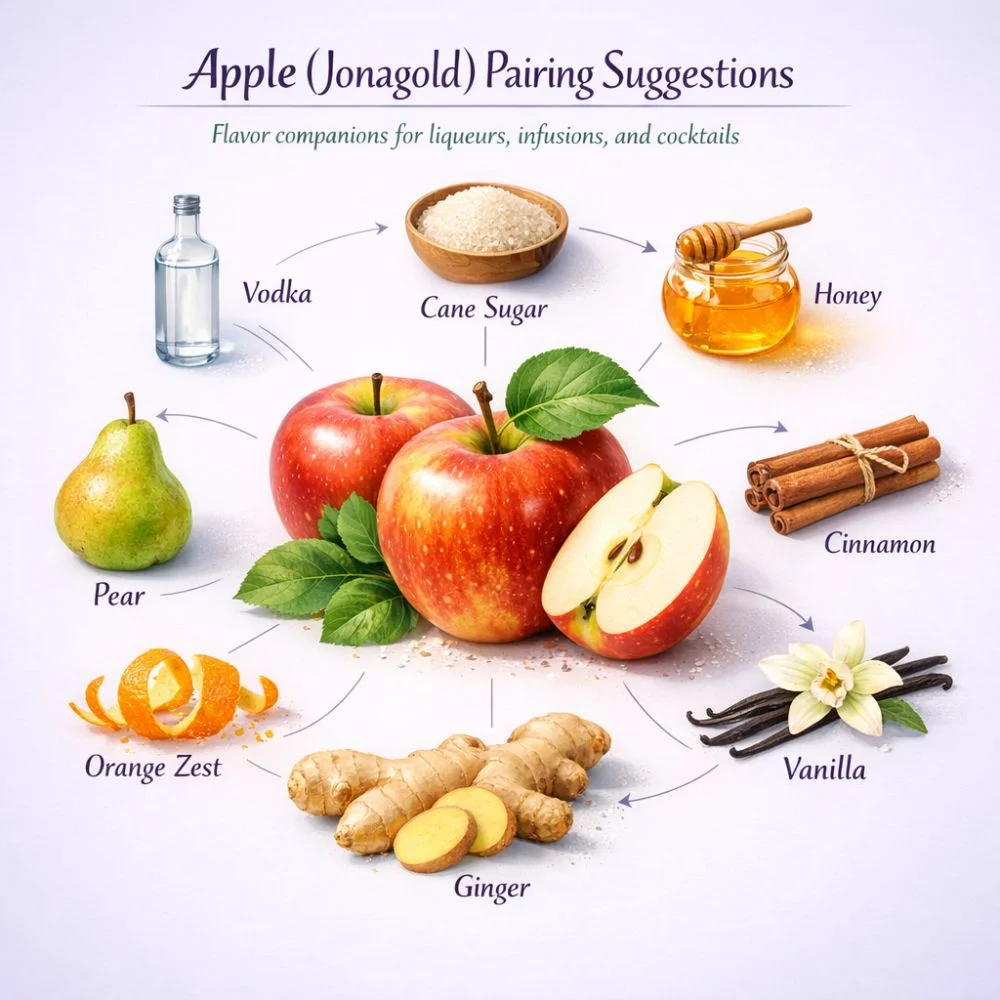
Apple (Jonagold) pairing suggestions for liqueur making

Apple (Jonagold) FAQ


Jonagold apple usually extracts into alcohol with a well-balanced profile that sits between tart cooking apples and very sweet dessert apples. It tends to give rounded apple flesh notes, gentle acidity, mild floral character, and a familiar orchard sweetness that feels fuller than very sharp varieties but fresher than apples that lean purely sugary. In liqueur making, this balance makes Jonagold useful when you want an apple infusion that tastes natural and layered rather than aggressively crisp or heavily candied. It often produces a softer and more approachable result than varieties known mainly for acid.

Compared with sharper apples, Jonagold usually brings less bite and less green tension to the finished liqueur. Very tart varieties can create a brighter, leaner infusion with more edge, especially in neutral alcohol, while Jonagold gives more body and a broader fruit middle. Compared with sweeter varieties, however, Jonagold still keeps enough acidity to prevent the result from feeling flat. This matters in homemade liqueur because sugar, honey, and long resting already push the profile toward softness. An apple that begins with both sweetness and acidity often survives the full process better than one that offers only one side of the spectrum.

For recipe development, Jonagold is often a safe middle-ground choice because it accepts spices, citrus, vanilla, and honey without disappearing. It rarely behaves like an overly sharp apple that dominates the infusion with acidity, and it usually holds up better than very soft sweet apples that can turn vague after dilution and sweetening. If the aim is a liqueur with orchard character, warmth, and flexibility, Jonagold extracts in a cooperative way and gives a balanced foundation. It is especially useful for makers who want an apple liqueur that can be adjusted in either direction, brighter with citrus or richer with spice, without losing its core fruit identity.

Several apple varieties can replace Jonagold in liqueur making if the goal is to preserve a similar balance of sweetness, fruit body, and acidity. Apples such as Braeburn, Elstar, Pink Lady, and sometimes Gala blended with a sharper variety can offer a comparable result. The important point is not simply sweetness, but the relationship between ripe orchard fruit flavor and enough acidity to keep the infusion lively. Jonagold is valued because it rarely tastes one-dimensional, so the best substitutes are apples that also carry both softness and brightness rather than leaning too far in either direction.

Braeburn is often one of the closest practical substitutions because it has a firm texture, good aromatic strength, and a balanced sweet-acid profile. Elstar also works well where available, offering a fragrant and slightly lively character that behaves nicely in alcohol. Pink Lady can provide more brightness and a little extra tension, which can be helpful in sweeter liqueur formulas. Gala alone may be too soft and gentle, while Granny Smith may be too sharp if used on its own. In many recipes, blending a sweeter apple with a firmer tart variety produces a result closer to Jonagold than relying on a single replacement that is either too sweet or too acidic.

When substituting, it helps to think in terms of the final style rather than exact botanical equivalence. If the recipe includes honey, vanilla, cinnamon, or sugar, a slightly sharper apple can still work because the rest of the ingredients will round it out. If the recipe is already delicate and lightly sweetened, a softer balanced apple will usually be better. The aim is to preserve the natural orchard character and middle-weight body that Jonagold contributes. A thoughtful substitute should still allow the liqueur to taste like apple first, with enough freshness to avoid a cooked, flat, or overly candy-like finish after resting and dilution.

The ideal infusion time for Jonagold apples is usually long enough to capture the fruit’s full orchard character, but short enough to avoid dullness, excess tannin, or a woody skin note. In many homemade liqueurs, this means tasting regularly over the course of a few weeks rather than assuming a fixed timeline will suit every batch. Jonagold tends to release pleasant apple flavor relatively well, especially when sliced and fully ripe, but the balance can shift as the alcohol continues to pull compounds from the flesh, skin, and core area. The best endpoint is often when the fruit tastes full and recognizable but still bright.

Bitterness in apple liqueur is not always dramatic, yet it can appear as dryness, pith-like edge, or a flat aftertaste if the infusion is pushed too far. This is more likely when the apples are cut very thin, crushed too much, left with seeds or damaged core material, or exposed to alcohol for an unnecessarily long period. The spirit strength also matters. Higher proof can extract faster and more aggressively, which may shorten the useful window. A lower proof or already sweetened base can give a gentler curve, but it still requires monitoring because the fruit will eventually lose freshness and begin contributing less attractive notes.

For most makers, the safest method is to start tasting after the first week and continue at regular intervals until the apple note feels complete. If warm spices or citrus are also present, the fruit should be checked even more carefully so it does not become background flavor beneath stronger companions. Once the apple has reached a rounded, fragrant, and natural profile, remove the fruit rather than leaving it in out of convenience. Resting the filtered liqueur afterward often deepens harmony on its own. In other words, the ideal infusion time is not the longest possible one, but the point where Jonagold still tastes vivid, balanced, and clean before the extraction turns heavy or tired.

Jonagold apple liqueur can turn dull or weak when the fruit itself is too mild, too watery, or past its aromatic peak. Apples that look fine for eating are not always ideal for infusion, especially if they have been stored for a long time and have lost some of their fresh orchard perfume. Because apple is a relatively subtle ingredient compared with berries, peels, spices, or herbs, the spirit must capture enough of its natural aroma early in the process. If the base fruit is bland, no amount of resting will create real depth later. Weak aroma at the start usually becomes even less noticeable after sweetening and dilution.

Another common cause is imbalance in the recipe structure. Too much alcohol volume, too little fruit, or overly dominant companion ingredients can flatten the apple character. Strong cinnamon, clove, citrus zest, or vanilla may seem attractive, but they can easily cover the softer profile of Jonagold if the fruit dose is modest. Excess sugar or honey can also blur the perception of freshness and make the liqueur feel heavier while paradoxically tasting less expressive. Sometimes the liqueur is not truly weak in concentration, but its fruit note is hidden beneath sweetness, spice, or an alcohol base that contributes too much character of its own.

Handling and timing matter as well. Overlong infusion can strip away brightness and replace it with a tired, slightly oxidized profile. Excessive crushing creates more solids and speeds breakdown, which can reduce elegance and make the final flavor seem muddy rather than concentrated. Exposure to air, warm storage, or slow filtration can also weaken the sense of freshness. To avoid a dull result, use aromatic ripe apples, taste during infusion, remove the fruit once the apple is clearly present, and keep the rest of the recipe supportive rather than competitive. Jonagold can make an excellent liqueur, but it depends on preserving freshness and giving the fruit enough room to speak.

Jonagold apple contributes a balanced orchard profile to homemade liqueurs, typically combining ripe apple flesh, gentle floral notes, mild honeyed sweetness, and enough acidity to keep the result from feeling heavy. It is not usually as sharp as green cooking apples, nor as sugary and soft as some dessert varieties that can blur into generic sweetness. This makes Jonagold especially useful when the liqueur needs an apple note that feels natural, round, and inviting. In the glass, it often reads as fresh rather than candied, which is one of the reasons it pairs well with both warm spices and bright citrus accents.

Its flavor impact is often strongest in the middle of the palate. Jonagold tends to give body and fruit volume rather than an aggressive top note, so it supports the structure of the liqueur without always dominating it. This can be a real advantage in layered recipes because the apple integrates smoothly with ingredients such as cinnamon, vanilla, ginger, honey, orange zest, or pear. Instead of clashing, it usually acts as a bridge between sweetness and acidity. That balanced role makes it suitable for liqueurs meant to be sipped neat, poured over ice, or mixed into cocktails where fruit definition still matters.

The overall impression of Jonagold in a finished liqueur is comforting, polished, and versatile. It can lean fresher when paired with citrus, richer when paired with caramel-like sweeteners, or more autumnal when paired with warm spice. Yet even in more elaborate formulas it often maintains a familiar orchard identity that feels broad and appealing. The final profile is rarely extreme, which is exactly why many makers appreciate it. Jonagold brings a well-rounded fruit core that can support elegant homemade liqueurs without becoming overly tart, overly sweet, or excessively perfumed.
Apple (Jonagold)
Apple (Jonagold) in Liqueur Crafting

More Fruits


LIQUEUR ALCHEMY TOOLS & RESOURCES


Design labels in minutes—beautiful, practical, and ready to print. Choose a tool below to generate bottle or ingredient labels that match your Liqueur Alchemy workflow.
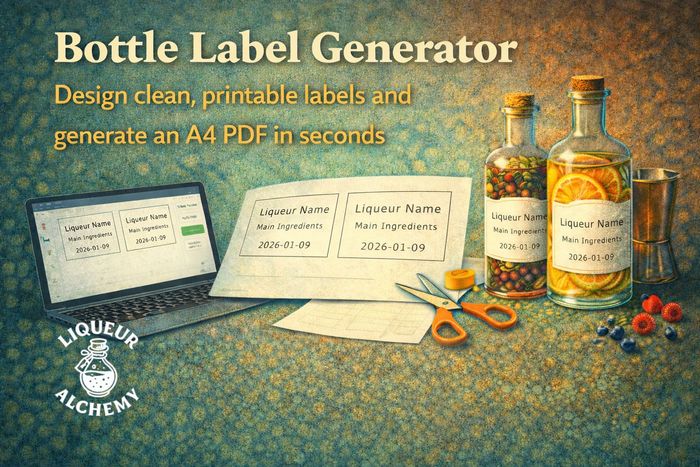
Bottle Label Generator preview

Bottle Label Generator

Create clean bottle labels with your liqueur name, batch details, date — ready for printing and gifting.
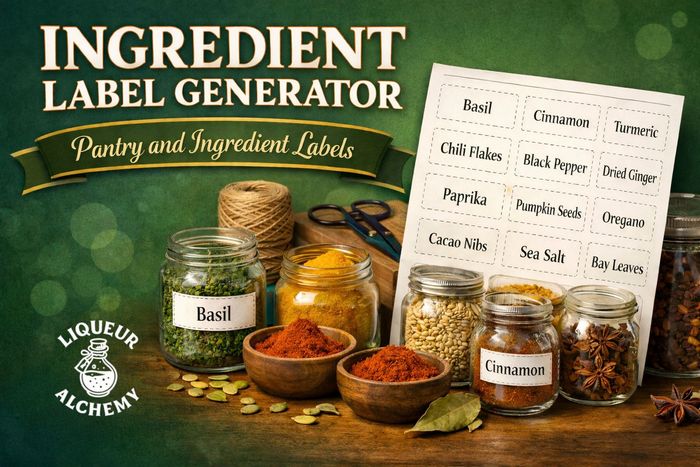
Ingredient Label Generator preview

Ingredient Label Generator

Label jars, containers, and storage bags to maintain clear organization from preparation through infusion and serving.
Ingredient pairing cheat sheet for creating balanced homemade liqueurs

Ingredient Pairing Cheat Sheet

Discover flavor combinations that create balanced, complex, and unique homemade liqueurs.