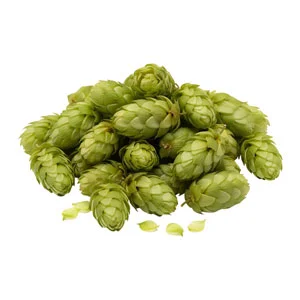
Which herbs provide a similar floral bitterness to hops?
Using Herbs Spices and Botanicals in Liqueurs
Direct Answer
Elderflower, lemon verbena, rosemary and related botanicals can mimic parts of hop character, often with a separate bitter ingredient.
Expanded Explanation
Few common herbs reproduce both the floral aroma and characteristic bitterness of hops, but several botanicals can cover parts of the same sensory territory. Lemon verbena can provide bright citrus-herbal fragrance, while rosemary contributes resinous, pine-like depth. Elderflower is strongly floral but contributes little bitterness, so it works better when paired with a separate bitter or drying ingredient. Culinary sage can add an earthy herbal edge, although its flavor is quite different and can dominate delicate fruit if used heavily.
For a more hop-like layered effect, combining botanicals is usually more successful than selecting one herb. Elderflower with grapefruit peel can provide floral and citrus lift, while a tiny amount of gentian can introduce the bitter structure that flowers lack. Coriander seed is another useful partner because its citrus-spice character works naturally with many fruit liqueurs. Juniper can contribute resinous freshness when the original hops were chosen for pine or forest-like aromas rather than purely floral qualities.
These substitutes should be treated independently because their extraction strengths differ dramatically. Gentian, rosemary, sage, citrus peel, and elderflower should not automatically receive the same dosage or maceration time as hops. Start small, taste frequently, and remove each botanical when its contribution is sufficient. In a balanced liqueur, the substitute should support the main fruit and sweetener rather than becoming the dominant flavor simply because the original recipe contained hops.