What mistakes reduce pear flavor during infusion?
Troubleshooting Common Homemade Liqueur Problems and Fixes
Direct Answer
Weak pear flavor often comes from underripe fruit, excessive spices, poor submersion or too short an infusion time.
Quick Search in all FAQs
Direct Answer
Weak pear flavor often comes from underripe fruit, excessive spices, poor submersion or too short an infusion time.
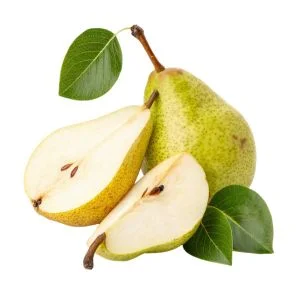
Related Ingredient
Peckham pear adds mellow sweetness, soft perfume, and rounded fruit body to elegant homemade liqueurs.
View Pear (Peckham) →The Liqueur Alchemy Knowledge Hub brings together guides, tips, and practical explanations to help you master homemade liqueurs. Discover how ingredients, alcohol strength, sugar, and infusion time shape aroma, texture, and balance in your creations.
Discover the newest creations from Liqueur Alchemy — fresh flavours, seasonal infusions, and bold experiments straight from the pantry. Each recipe brings something unique, crafted to inspire your next homemade spirit.
This website uses cookies to ensure you get the best experience on our website. Read our Privacy Policy.