What mistakes lead to dull color or loss of fresh rhubarb aroma during infusion?
Troubleshooting Common Homemade Liqueur Problems and Fixes
Direct Answer
Dull color and fading aroma often come from old stalks, oxidation, excess heat or light, over-processing, and long infusion times. Fresh rhubarb and careful timing are the main keys to a vivid result.
Expanded Explanation
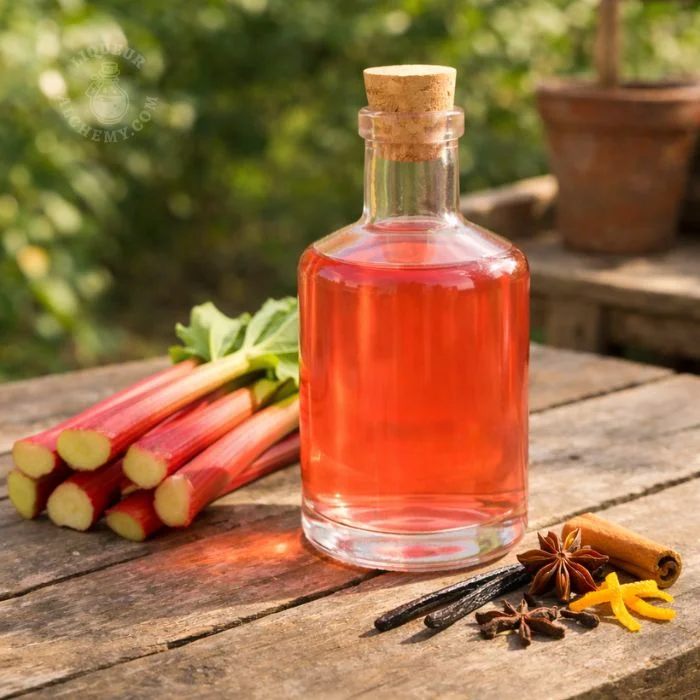
Dull color and loss of fresh rhubarb aroma usually come from handling mistakes before and during maceration. One common problem is starting with old, limp, or poorly stored stalks. Fresh rhubarb has a livelier color and brighter aroma, while tired stalks lose both quickly. Another issue is excessive exposure to heat, light, and air. These conditions gradually flatten the fresh character and can shift attractive pink-red tones toward muddy or brownish shades, especially over longer infusion periods.
Over-processing can also hurt the final result. If rhubarb is chopped too finely, crushed aggressively, or left sitting cut for too long before it goes into alcohol, the infusion may take on more pulp, oxidation, and rough plant character. Very long maceration is another frequent mistake. Many makers assume more time equals more flavor, but with rhubarb it often means less freshness and more tired acidity. Using dark sweeteners in large amounts can also muddy the color, while strong spices can overshadow the clean rhubarb impression.
The best protection is careful preparation and restraint. Use firm, fresh stalks, trim them neatly, cut them evenly, and get them into the spirit promptly. Keep the jar away from strong light and taste regularly so the infusion is strained while the character is still vivid. If color matters, choose brighter red stalks and avoid overly heavy syrups that cloud the visual appeal. Rhubarb liqueur looks and smells best when it is treated as a fresh ingredient with a limited extraction window, not as a fruit that improves indefinitely with time.