What fruits can replace rhubarb in liqueurs while keeping a similar tart and fresh profile?
Ingredients and Sweeteners That Shape Liqueur Flavor
Direct Answer
Green apple, red currant, gooseberry, cranberry, and sour cherry can replace rhubarb, depending on style. The best substitutes preserve tartness and freshness, though sweetness and dosage usually need adjustment.
Expanded Explanation
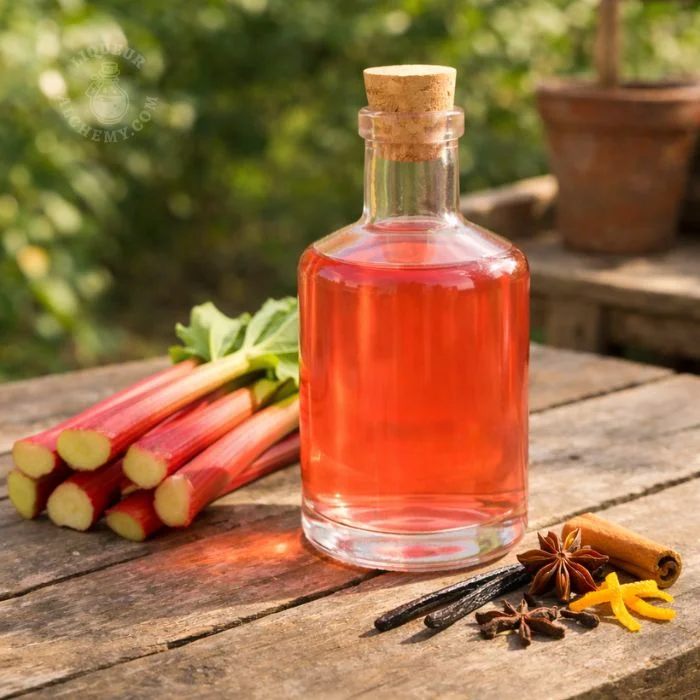
No fruit matches rhubarb perfectly because rhubarb is technically a stalk and carries a unique combination of tartness, freshness, and gentle vegetal character. Still, several fruits can replace it in liqueurs if the goal is to keep a similarly bright and refreshing style. Green apple is one of the most practical substitutes because it provides crisp acidity and a clean profile. Red currant also works well when you want sharper fruit and better color. Cranberry can provide a brisk tart edge, though it tends to be drier and slightly more bitter than rhubarb.
Other useful options include gooseberry, sour cherry, and underripe plum, depending on the style you want. Gooseberry comes close to rhubarb in terms of freshness and tartness, though it leans more obviously fruity. Sour cherry gives more depth and richness, so it shifts the liqueur toward a rounder, darker result. Red currant often gives the best compromise between brightness, acidity, and elegant fruit. If the original rhubarb recipe depends on rhubarb’s green edge, a little citrus peel or a small amount of fresh ginger can help bring back some of that lifted freshness.
When substituting, the biggest adjustment is sweetness. Many fruits bring more natural sugar and aroma than rhubarb, so a direct one-to-one swap can produce a softer, fruitier liqueur than intended. Start with the same spirit volume, use a slightly smaller fruit weight at first, and sweeten only after tasting. A rhubarb-style liqueur should feel refreshing, bright, and tense rather than heavy or jammy, so the best substitute is usually the one that preserves acidity and freshness without becoming too lush.