Home / FAQ / What factors affect the extraction of Tulsi in liqueur making?

What factors affect the extraction of Tulsi in liqueur making?

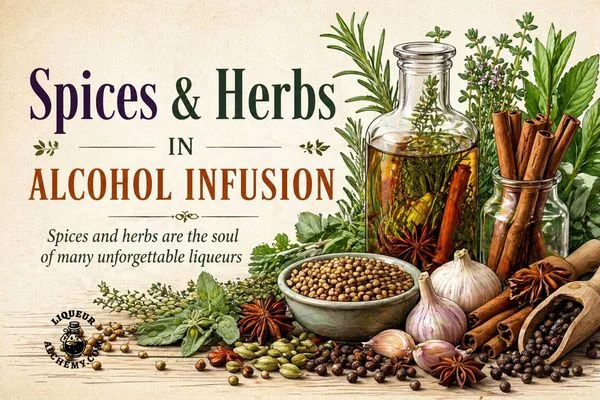
Using Herbs Spices and Botanicals in Liqueurs

Direct Answer

Factors like alcohol type, temperature, and Tulsi form affect extraction. Fresh leaves and proper infusion duration are key to achieving desired flavors.
Expanded Explanation

Several factors influence the extraction of Tulsi when crafting liqueurs. The type of alcohol used plays a crucial role; higher proof spirits extract flavors more efficiently than lower proof options. Additionally, the temperature during extraction can impact the release of essential oils, with warmer conditions generally promoting better infusion.

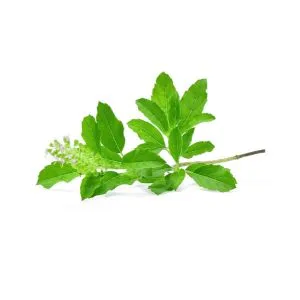
The form of Tulsi also matters. Fresh leaves tend to yield a more robust flavor compared to dried ones, as they contain higher concentrations of essential oils. Crushing or bruising the leaves before infusion can further enhance the extraction process by breaking down the cell walls and releasing more oils.

Finally, the duration of the infusion is vital. A shorter infusion may result in a milder flavor, while a longer steeping time can intensify the taste but risk bitterness. Experimenting with these variables will help you achieve your desired flavor profile in your liqueur.

Explore more practical answers in the full FAQ library.
Tulsi for liqueur making

Related Ingredient

Tulsi

Tulsi adds peppery-clove herbal warmth, boosting complexity and a calm, tea-like depth in liqueurs.

View Tulsi →

LATEST RECIPES OF LIQUEUR ALCHEMY


Discover the newest creations from Liqueur Alchemy — fresh flavours, seasonal infusions, and bold experiments straight from the pantry. Each recipe brings something unique, crafted to inspire your next homemade spirit.