Tulsi

Tulsi for Liqueur Infusions – Flavor & Pairing Tips

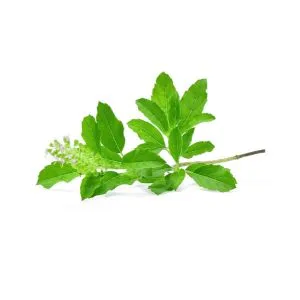
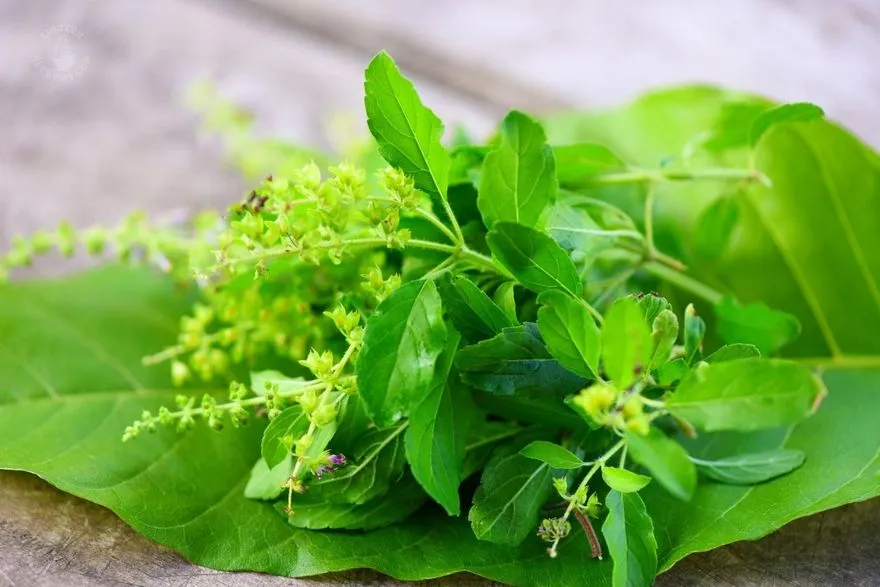
Tulsi, also known as holy basil, offers a peppery, slightly clove-like aroma with a gentle camphorous note. In liqueurs it creates depth and a soothing, digestif-style character, especially when paired with honey, jaggery, ginger, cardamom, or citrus peel. Infuse lightly to keep balance, as longer steeps can dominate. Works beautifully in vodka, gin, or light rum.

Tulsi

Home / Ingredients / Herbs / Tulsi

Tulsi Flavor Profile

Peppery-clove herbal aroma with gentle camphor notes.

Tulsi Impact on Liqueurs

Adds calming herbal depth and digestif character.

How to Use Tulsi?

Use fresh or dried leaves; 5–10 g per 1 L. Infuse 3–7 days in vodka.

Tulsi Pairing Suggestions

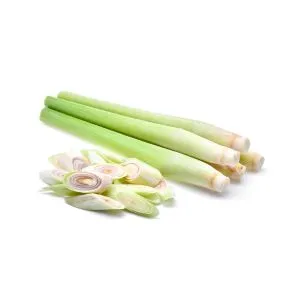
Vodka, Cane Sugar, Ginger, Lime, Honey, Mint, Cardamom, Lemongrass
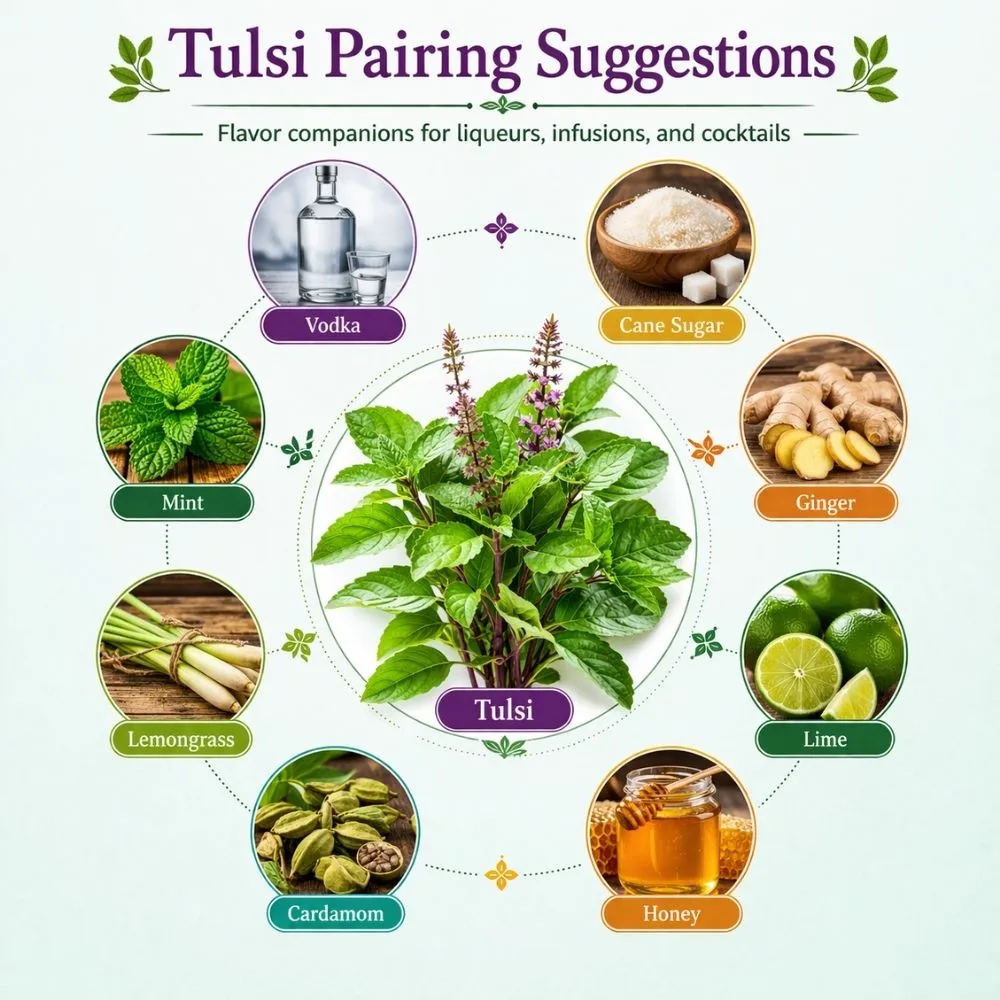
Tulsi pairing suggestions for liqueur making

Tulsi FAQ


Tulsi is aromatic and herbal, but it can go bitter if steeped too long. Use fresh leaves if available (or good dried tulsi), and infuse at 40–50% ABV with short contact. For fresh, start tasting at 2–4 hours; for dried, start at 6–12 hours. Many infusions are ready within 6–48 hours.

Keep dosage modest: a small handful of fresh leaves per liter, or 5–15 g dried. Strain as soon as the aroma is clear and pleasant. Tulsi pairs well with citrus, honey, and gentle spices like cardamom.

Common mistakes include bruising leaves aggressively and leaving them for days. Flavor impact should be fresh, clove-minty basil notes, not green bitterness. Store cool and dark; herbal top notes fade, so aim for fresher batches.

Tulsi pairs beautifully with honey, lemon or lime zest, ginger in tiny amounts, and warm spices like cardamom. It also works with berries where it adds a herbal top note, but keep it subtle.

Timing: build the fruit base first, strain, then add tulsi briefly at the end, or dose a tulsi tincture. Sweeten after straining and rest 1–2 weeks so the herbal note integrates.

Common mistakes include combining tulsi with clove-heavy spice mixes and over-extracting. Flavor impact should be aromatic and calming, not medicinal. Store cool and dark; herbal liqueurs are best within a few months for peak aroma.

Several factors influence the extraction of Tulsi when crafting liqueurs. The type of alcohol used plays a crucial role; higher proof spirits extract flavors more efficiently than lower proof options. Additionally, the temperature during extraction can impact the release of essential oils, with warmer conditions generally promoting better infusion.

The form of Tulsi also matters. Fresh leaves tend to yield a more robust flavor compared to dried ones, as they contain higher concentrations of essential oils. Crushing or bruising the leaves before infusion can further enhance the extraction process by breaking down the cell walls and releasing more oils.

Finally, the duration of the infusion is vital. A shorter infusion may result in a milder flavor, while a longer steeping time can intensify the taste but risk bitterness. Experimenting with these variables will help you achieve your desired flavor profile in your liqueur.

Yes, you can replace Tulsi with other herbs, such as rosemary or thyme, depending on the flavor profile you desire. Rosemary provides a robust, pine-like flavor that can add depth to your liqueur, while thyme offers a subtle earthiness that complements various ingredients.

If you're looking for a sweeter herb, consider using chamomile. It brings a floral aroma and mild sweetness, which can create a soothing liqueur experience. Chamomile pairs well with fruits and can enhance the overall balance of flavors.

Lastly, consider using sage for a more savory option. Sage has a strong flavor that can add complexity to your liqueur, making it an interesting choice for unique blends.

The best time to add Tulsi in the liqueur-making process is during the maceration phase. This is when the base spirit can absorb the essential oils and flavors from the Tulsi leaves, enhancing the overall profile of the liqueur.

It's advisable to introduce Tulsi after the initial fermentation or when preparing your infusion. This ensures that the delicate flavors are preserved and not lost during the fermentation process, which can be harsh on the herbs.

For optimal results, allow the Tulsi to infuse for at least a week, but you can extend this period for a more robust flavor. Regularly taste your mixture to find the perfect balance that suits your palate.
Tulsi
Tulsi in Liqueur Crafting

More Herbs


LIQUEUR ALCHEMY TOOLS & RESOURCES


Design labels in minutes—beautiful, practical, and ready to print. Choose a tool below to generate bottle or ingredient labels that match your Liqueur Alchemy workflow.
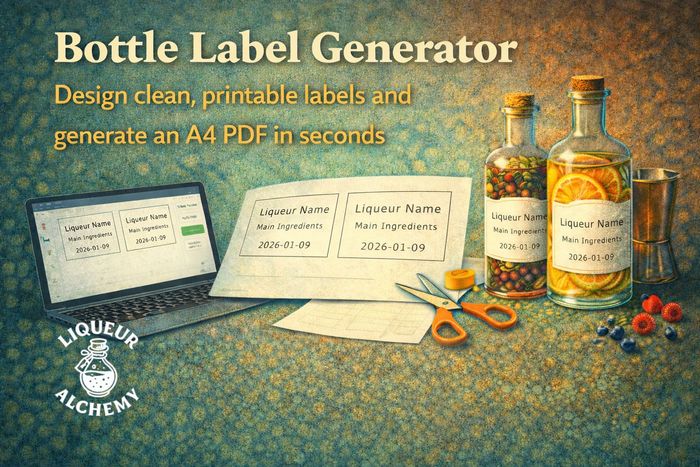
Bottle Label Generator preview

Bottle Label Generator

Create clean bottle labels with your liqueur name, batch details, date — ready for printing and gifting.
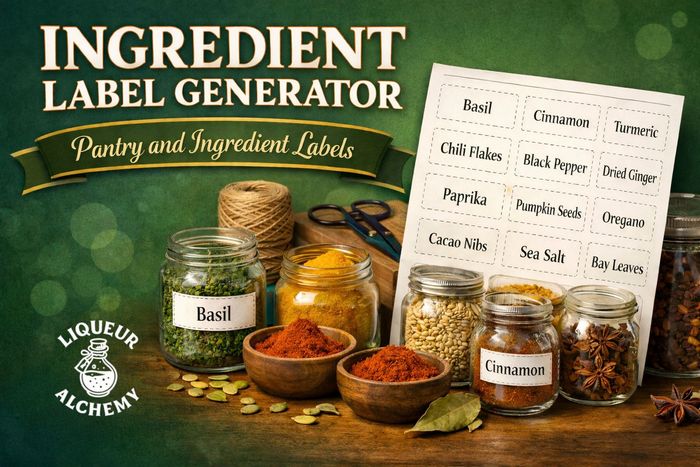
Ingredient Label Generator preview

Ingredient Label Generator

Label jars, containers, and storage bags to maintain clear organization from preparation through infusion and serving.

Ingredient pairing cheat sheet for creating balanced homemade liqueurs

Ingredient Pairing Cheat Sheet

Discover flavor combinations that create balanced, complex, and unique homemade liqueurs.