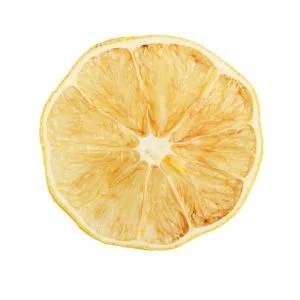
How does substituting fresh lemon zest or juice change the balance of a dried lemon liqueur?
Ingredients and Sweeteners That Shape Liqueur Flavor
Direct Answer
Fresh lemon zest makes a dried lemon liqueur brighter and fresher, while juice makes it sharper, more acidic, and less peel-driven.
Expanded Explanation
Substituting fresh lemon zest for dried lemon makes the liqueur brighter, fresher, and more aromatic at the top, but usually less deep and less rounded overall. Fresh zest emphasizes volatile citrus oils, so the result feels lively and direct. That can be excellent in modern fruit liqueurs or in recipes intended for a fresh, cocktail-friendly profile. However, the quiet structural bitterness and concentrated citrus depth of dried lemon are usually reduced. The liqueur may feel more s...
Using lemon juice changes the balance even more. Juice introduces acidity in a much more obvious way, affecting not just flavor but also the perception of sweetness and the overall texture of the liqueur. It can make the drink feel sharper, more acidic, and sometimes less stable if the recipe is not adjusted well. Juice also lacks the peel-driven aromatic complexity that dried lemon contributes. A juice-based substitution therefore moves the liqueur away from peel depth and toward juicy tartness.
In recipe design, fresh zest usually shifts a dried lemon liqueur toward freshness and lift, while juice pushes it toward brightness and acidity. Both are useful tools, but neither behaves exactly like dried lemon. If the original recipe depends on concentrated citrus structure and mild bitterness, fresh ingredients may need careful balancing with sweetness, spices, or other peel elements to rebuild that depth.