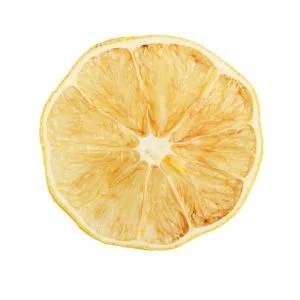
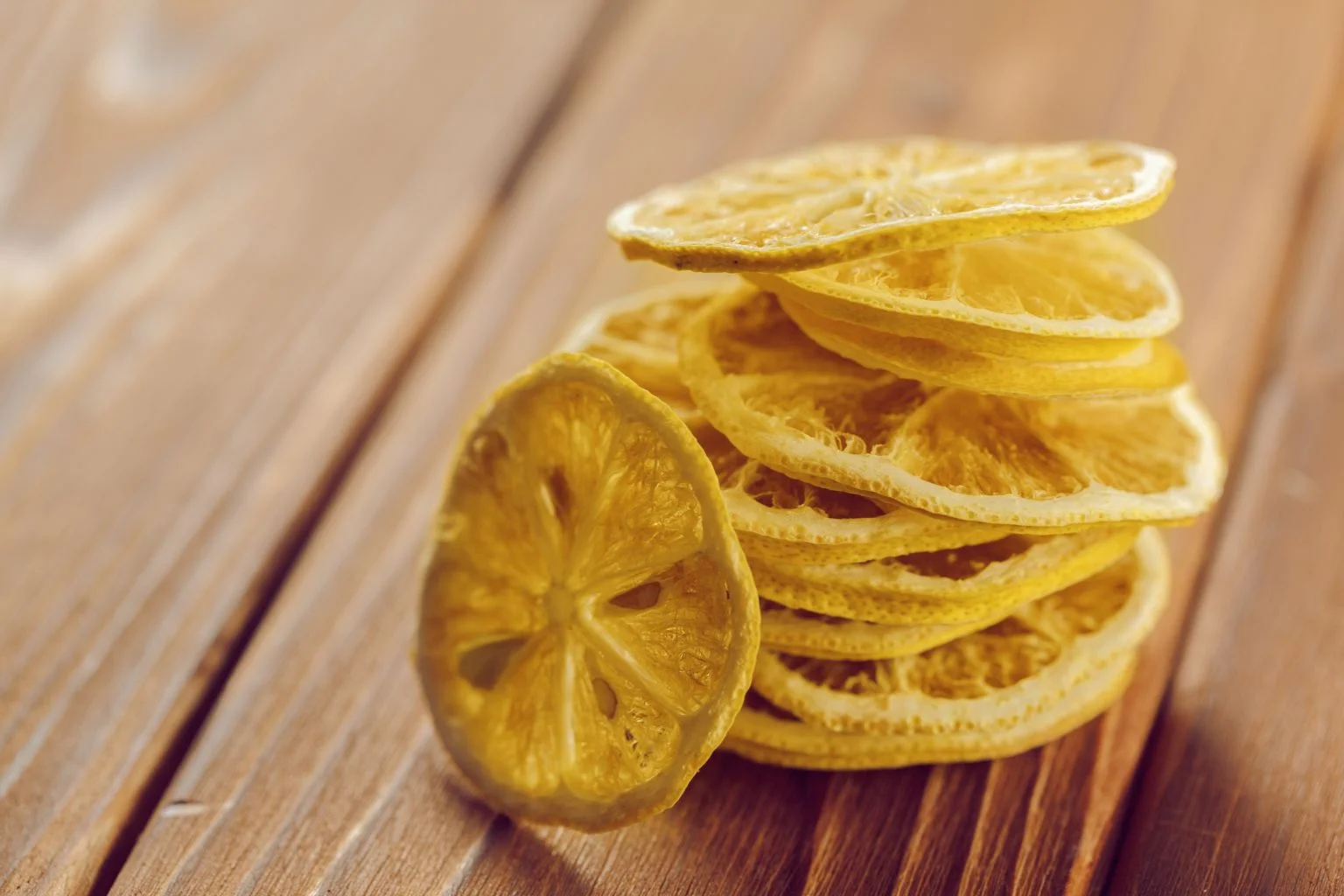
Lemon (Dried)

Dried Lemon in Liqueur Making: Citrus Depth, Lift, and Balance

Dried lemon is highly valued in liqueur making for its concentrated citrus aroma, gentle bitterness, and deeper, more rounded acidity compared with fresh lemon. It brings brightness without excessive sharpness and adds structure to homemade liqueurs by lifting sweetness and widening the finish. In infusions, dried lemon can contribute both citrus freshness and subtle aromatic depth, making recipes feel more layered, refined, and balanced. It pairs especially well with spices, honey, vanilla, ginger, berries, and clear or lightly aged spirits.

Lemon (Dried)

Home / Ingredients / Dried Fruits / Lemon (Dried)

Lemon (Dried) Flavor Profile

Bright, citrusy, slightly bitter, aromatic, concentrated, and rounded with fresh lemon lift and deeper peel-like notes.

Lemon (Dried) Impact on Liqueurs

Adds citrus structure, brightness, and gentle bitterness, helping liqueurs feel fresher, more layered, and less heavy.

How to Use Lemon (Dried)?

Use dried lemon in moderation because its concentrated peel and flesh can build bitterness if over-infused. Taste regularly, strain on time, and pair with sweeteners or spices to keep the citrus profile bright, polished, and balanced.

Lemon (Dried) Pairing Suggestions

Vodka, Gin, Cane Sugar, Honey, Ginger, Vanilla, Orange Zest, Raspberry, Chamomile, Cinnamon
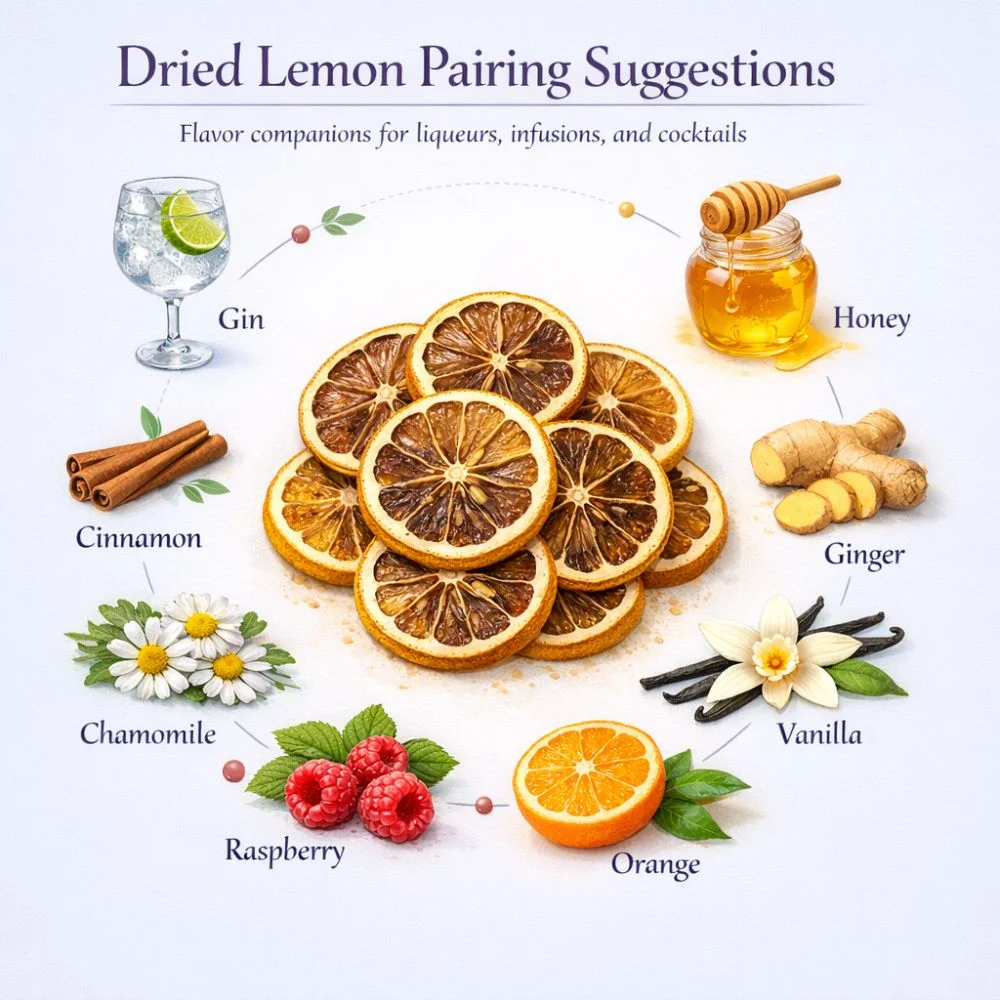
Lemon (Dried) pairing suggestions for liqueur making

Lemon (Dried) FAQ


Dried lemon extracts into alcohol differently from fresh lemon because the drying process concentrates some aromatic compounds while softening the bright juicy impression associated with fresh citrus. In liqueur making, fresh lemon usually gives more immediate brightness, sharper acidity perception, and a fresher top note, especially when zest or juice is added. Dried lemon, by contrast, often produces a more rounded, deeper citrus character with a gentle bitterness and less raw sharpness. I...

That difference makes dried lemon especially useful in recipes that need structure rather than simple brightness. Fresh lemon can be vivid and lively, but it can also feel direct and sometimes one-dimensional if not balanced carefully. Dried lemon brings a more layered profile that can sit beautifully beside honey, vanilla, cinnamon, ginger, or berries. Instead of tasting like freshly squeezed citrus, it often tastes more like a concentrated citrus peel and flesh combination, with brightness supported by a...

For homemade liqueurs, this means dried lemon is often better when the goal is depth, elegance, and a more integrated citrus presence. Fresh lemon is ideal when the recipe needs sparkle and immediate freshness. Dried lemon works best when the maker wants citrus to shape the liqueur more quietly, adding lift and bitterness without overwhelming the rest of the formula.

Several ingredients can replace dried lemon in liqueur making, but each substitute captures only part of its character. Fresh lemon zest is often the closest source of lemon aroma, though it usually gives a brighter and more immediate citrus note with less quiet depth. Dried orange peel can substitute some of the rounded citrus body and bitterness, but it shifts the recipe toward a sweeter and warmer citrus profile. Dried yuzu peel or dried bergamot peel can sometimes work in small amounts if a ...

The right substitute depends on what dried lemon is doing in the formula. If the recipe relies mainly on citrus depth and peel-like structure, a restrained amount of dried orange peel mixed with fresh lemon zest may come fairly close. If the goal is lemon brightness with a touch of bitterness, fresh zest plus a very careful amount of peel bitterness from another citrus can help. In some spice-forward liqueurs, preserved lemon peel that has been rinsed and dried may also offer part of the rounded citrus c...

In practical terms, fresh lemon zest is the easiest replacement, but it will not recreate the same mellow depth. Most substitutes preserve the citrus direction while altering the mood of the liqueur. Dried lemon has a particular balance of brightness, concentration, and mild bitterness that is hard to copy exactly, so the maker should think in terms of function rather than perfect imitation.

Dried lemon should be infused long enough to develop its concentrated citrus profile, but not so long that bitterness and dryness take over. The ideal timing depends on how the lemon was dried, whether it is whole or broken, and what spirit is being used. Neutral spirits often reveal bitterness more clearly, while recipes with honey, vanilla, ginger, or warm spices can absorb slightly more citrus intensity. In liqueur making, dried lemon usually rewards regular tasting rather than a fixed i...

Because dried lemon is concentrated, it may seem quiet at first and then become assertive quite suddenly. That is why patient observation matters. The maker should look not only for enough lemon aroma, but also for how the bitterness feels on the finish. Once the bitterness starts moving from supportive structure toward obvious dryness, the infusion is usually close to its limit. Broken or crushed pieces reach that point faster than whole slices, and thin dried pieces often extract more quickly than thick ...

For homemade liqueurs, it is usually better to stop the infusion while the citrus still feels polished and balanced, then let the rest of the recipe complete the integration. Sweetening and resting can smooth the result afterward, but they rarely fully correct a bitter over-extraction. Dried lemon is most successful when its depth remains elegant rather than forceful.

Dried lemon can make liqueurs taste overly bitter or sharp because it is a concentrated citrus ingredient that contains peel bitterness, aromatic oils, and the concentrated remains of the fruit’s acidic character. When too much is used, or when the infusion runs too long, those elements can move from balanced and structural to clearly dominant. Instead of adding depth and brightness, the dried lemon begins to define the whole liqueur through dryness and edge. This is especially noticeable in ...

Preparation choices also matter. Thin or heavily broken dried lemon extracts more quickly and can release bitterness faster than larger intact pieces. Some dried lemon products include a lot of pith, which naturally increases bitter potential. If the liqueur is lightly sweetened or lacks other balancing elements such as vanilla, honey, berries, or warming spices, the sharpness becomes even more obvious. In some cases, the maker expects the bitterness to mellow fully after resting, but while slight integra...

The best prevention is careful dosing, thoughtful pairing, and regular tasting. Dried lemon is excellent when used for lift, structure, and complexity. It becomes a problem only when treated as though more always means better. In homemade liqueurs, restraint usually creates the cleaner, fresher, and more refined citrus result.

Dried lemon brings a flavor profile that is citrusy, concentrated, slightly bitter, aromatic, and more rounded than fresh lemon. It usually combines peel-like brightness with a deeper, calmer citrus body, which gives liqueurs structure as well as freshness. Rather than tasting like fresh juice alone, it often suggests a fuller citrus expression that includes zest, flesh, and gentle drying bitterness. In homemade liqueurs, this makes dried lemon useful when the maker wants citrus presence w...

Its bitterness is usually mild when handled well, and that bitterness can be a major advantage because it keeps sweet liqueurs from feeling heavy or sticky. Dried lemon often sharpens the shape of the drink and extends the finish. It pairs particularly well with honey, vanilla, ginger, berries, cinnamon, and clear spirits because those ingredients either soften its edges or give it room to add contrast. The exact result depends on dosage and timing, but the overall impression is usually more layered than ...

For recipe building, dried lemon is less about sparkling immediacy and more about controlled brightness with depth. It can make a liqueur feel mature, focused, and better balanced. In homemade liqueurs, that profile is especially helpful when the goal is complexity and elegance rather than simply strong fresh citrus flavor.
Lemon (Dried)
Lemon (Dried) in Liqueur Crafting

More Dried Fruits


LIQUEUR ALCHEMY TOOLS & RESOURCES


Design labels in minutes—beautiful, practical, and ready to print. Choose a tool below to generate bottle or ingredient labels that match your Liqueur Alchemy workflow.
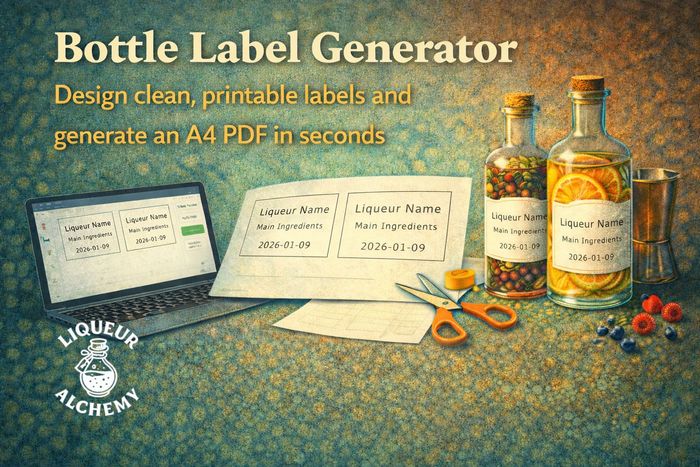
Bottle Label Generator preview

Bottle Label Generator

Create clean bottle labels with your liqueur name, batch details, date — ready for printing and gifting.
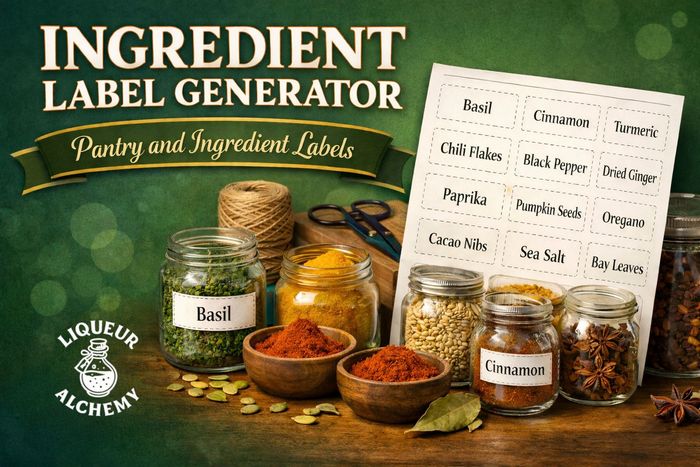
Ingredient Label Generator preview

Ingredient Label Generator

Label jars, containers, and storage bags to maintain clear organization from preparation through infusion and serving.

Ingredient pairing cheat sheet for creating balanced homemade liqueurs

Ingredient Pairing Cheat Sheet

Discover flavor combinations that create balanced, complex, and unique homemade liqueurs.