How does substituting cultivated strawberries or raspberries change the balance of a wild strawberry liqueur?
Ingredients and Sweeteners That Shape Liqueur Flavor
Direct Answer
Cultivated strawberries make the liqueur softer but less aromatic, while raspberries add brightness and structure but change the style.
Expanded Explanation
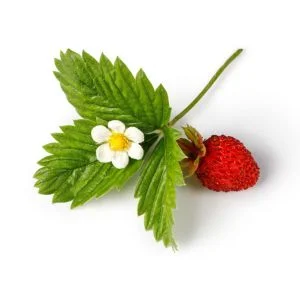
Substituting cultivated strawberries usually makes a wild strawberry liqueur softer, juicier, and more familiar in flavor, but often less intense aromatically. Cultivated strawberries can bring pleasant sweetness and fruit body, yet many varieties are more watery and less perfumed than wild strawberries. The final liqueur may feel round and approachable, but it can lose some of the delicate floral lift that makes wild strawberry special. To compensate, the recipe may need a little more fruit, careful reduction of dilution, or support from lemon zest or vanilla.
Raspberries change the balance in the opposite direction. They bring stronger acidity, brighter red-fruit sharpness, and a more assertive berry profile. This can make the liqueur feel more vivid and energetic, but it may also move it away from the soft sweetness of wild strawberry. Raspberry is excellent when the original recipe feels too gentle or too sweet, but it can dominate if used heavily. A small amount often works better than a full substitution when the goal is to preserve wild strawberry elegance.
In practical terms, cultivated strawberries preserve the strawberry identity but reduce aromatic intensity, while raspberries increase brightness and structure but change the style. A blend of both can be very effective. The cultivated strawberry carries the main fruit body, and raspberry adds lift. This approach creates a balanced berry liqueur that still feels close to the wild strawberry idea, even if it is not identical.