Does slicing or crushing Conference pear affect extraction speed and clarity in liqueurs?
Infusion and Maceration Methods for Homemade Liqueurs
Direct Answer
Slicing Conference pear gives cleaner extraction and better clarity, while crushing speeds infusion but can create haze and muddier flavor.
Expanded Explanation
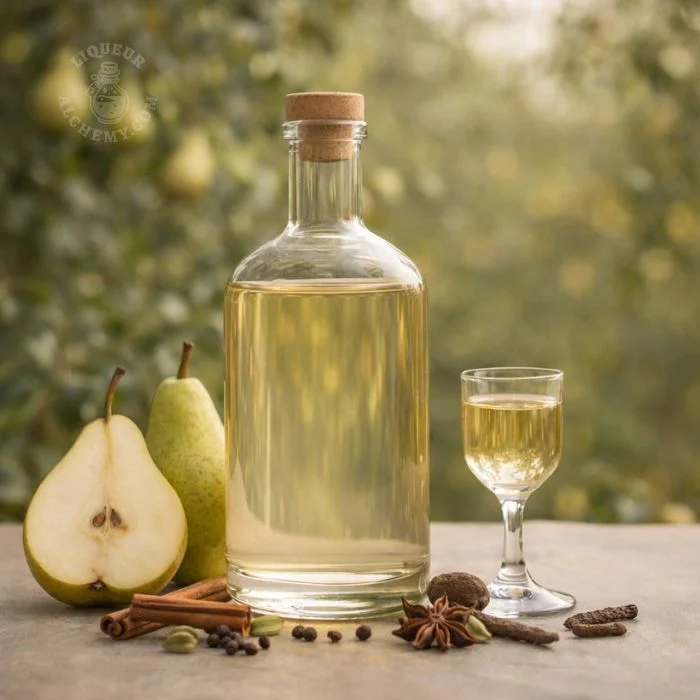
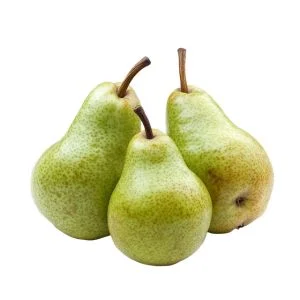
Yes, slicing or crushing Conference pear changes both extraction speed and the final clarity of the liqueur. Slicing the fruit into even pieces is usually the best starting method because it exposes enough surface area for the alcohol to pull flavor steadily while keeping the infusion relatively clean. The pear aroma and soft sweetness will come through gradually, and the liquid is easier to strain later. This is often the preferred approach when you want a polished, elegant result with less haze and sediment.
Crushing speeds things up, but it also creates more problems. Once the fruit is broken down too much, more juice, pulp, and fine particles enter the spirit early. That can make the infusion look cloudy and can complicate filtering. With Conference pear, which is naturally juicy and delicate, heavy crushing can also flatten the freshness of the fruit more quickly. Instead of a clean pear expression, the infusion may start to feel muddier, more stewed, or less refined. Over time, too much broken fruit can also encourage a duller profile if left in alcohol for too long.
In practice, slicing is the safer method for most pear liqueurs. A light bruise or gentle press may help if the fruit is very firm, but full crushing is rarely necessary unless intensity matters more than clarity. Conference pear rewards careful extraction. If your goal is a smooth, aromatic liqueur, even slices and regular tasting usually give the best combination of flavor, cleanliness, and control.