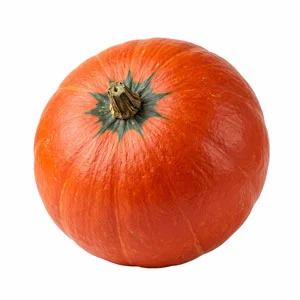
Should Hokkaido pumpkin be peeled before alcohol infusion?
Infusion and Maceration Methods for Homemade Liqueurs
Direct Answer
Hokkaido skin is edible and may remain during infusion, but peeling produces a cleaner flavour and can reduce earthy notes and suspended solids.
Expanded Explanation
Hokkaido pumpkin does not have to be peeled before alcohol infusion because its skin is edible and relatively thin. Leaving clean skin on the pieces can contribute extra colour, mild earthy notes and a little more structure to the infusion. However, the flesh provides most of the desirable pumpkin flavour, so keeping the skin is not essential. Peeling is useful when you want the softest, cleanest and least vegetal flavour possible.
If the skin is retained, wash and scrub the pumpkin thoroughly before cutting it. Remove damaged, scarred or discoloured areas, then discard the seeds and fibrous centre. Cut the pumpkin into reasonably small, even pieces so alcohol can reach a large surface area. For roasted infusions, the skin can help pieces hold their shape, making them easier to remove later instead of breaking down into a soft pulp.
For delicate vodka-based liqueurs, peeled pumpkin often gives a cleaner result and reduces the chance of earthy or slightly bitter skin notes becoming noticeable. In richer brandy or spiced recipes, leaving some skin is usually less significant because the other flavours provide greater depth. Whichever method is used, avoid finely grating or pureeing the pumpkin. Very small particles release starch and solids that can make filtration slow and leave the finished liqueur persistently cloudy.