Should Conference pears be peeled or left with skin for best results in liqueur making?
Ingredients and Sweeteners That Shape Liqueur Flavor
Direct Answer
Conference pears can be peeled or left unpeeled; skin adds depth, while peeling gives a cleaner, softer, and more delicate liqueur.
Expanded Explanation
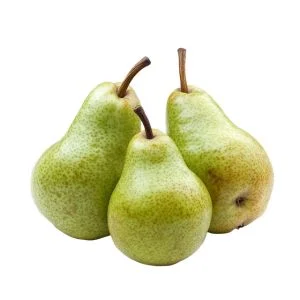
Conference pears can be used either peeled or with the skin on, depending on the style of liqueur you want and the condition of the fruit. Leaving the skin on often gives a slightly fuller orchard impression and can support a more natural-looking extraction process, especially when the fruit is clean and sound. The skin may also contribute a little more depth and subtle complexity. For many homemade liqueurs, this works well because Conference pear is delicate enough that a little added structure from the peel is welcome.
Peeling gives a cleaner and softer profile. If the fruit has tough skin, minor blemishes, or any waxy coating, peeling may be the better choice. It can reduce the chance of unwanted bitterness, roughness, or earthy notes, especially in very gentle pear liqueurs where subtle defects become noticeable. Peel-free infusions can also be slightly easier to filter and may look cleaner in the bottle. The trade-off is that the result may feel more restrained, so you may need careful support from vanilla, citrus, or spice.
For most makers, the best answer is practical rather than absolute. If the pears are high quality, ripe, and well washed, leaving some or all of the skin on is usually worthwhile. If you want maximum elegance and softness, peeling is perfectly reasonable. Conference pear is forgiving in this respect, and both methods can work well as long as the fruit is fresh and the infusion is tasted regularly.