
Home / FAQ / How does the extraction behavior of Japanese plum affect liqueur flavor profiles?

How does the extraction behavior of Japanese plum affect liqueur flavor profiles?

Ingredients and Sweeteners That Shape Liqueur Flavor

Direct Answer

Japanese plums enhance liqueur flavors with their sweet and tart profile, influenced by extraction methods and timing.
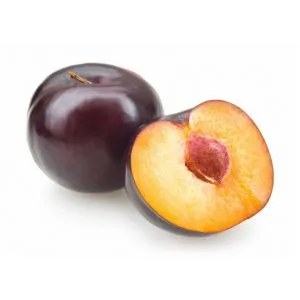

Expanded Explanation

Japanese plums are known for their sweet and tart flavor, which can significantly influence the overall profile of a liqueur. When extracting flavors, the balance between sweetness and acidity is crucial for achieving a well-rounded taste. The extraction process typically captures both the fruit's natural sugars and its tartness, leading to a complex flavor profile.

The extraction behavior is also affected by the method used, whether it's maceration or infusion. Maceration tends to draw out more intense flavors and aromas, while infusion may yield a lighter, more delicate essence. Understanding these methods can help you select the right approach for your desired flavor outcome.

Additionally, the timing of the extraction is important. Allowing the plums to steep for the right duration can enhance the depth of flavor without overwhelming the final product. Experimenting with different extraction times can lead to unique and personalized liqueur creations.

Explore more practical answers in the full FAQ library.
Plum (Japanese) for liqueur making

Related Ingredient

Plum (Japanese)

Sweet-tart and floral, Japanese plums infuse liqueurs with delicate perfume, gentle acidity, and smooth, nostalgic depth.

View Plum (Japanese) →

LATEST RECIPES OF LIQUEUR ALCHEMY


Discover the newest creations from Liqueur Alchemy — fresh flavours, seasonal infusions, and bold experiments straight from the pantry. Each recipe brings something unique, crafted to inspire your next homemade spirit.