Can pear or quince be used as a substitute while maintaining a similar aromatic character?
Ingredients and Sweeteners That Shape Liqueur Flavor
Direct Answer
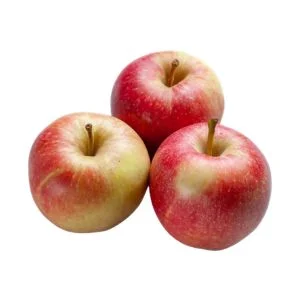
Pear and quince can substitute for Jonagold, but they shift the flavor differently. Pear gives softer floral fruit, while quince brings more perfume and structure than apple.
Expanded Explanation
Pear or quince can be used as substitutes in fruit liqueur making, but neither reproduces Jonagold apple exactly. Pear generally gives a softer, juicier, more floral profile with less acidity and less orchard snap than apple. Quince, on the other hand, is more aromatic, more structured, and often more perfumed, with a firmer and sometimes almost honeyed or citrus-like edge. Both can be beautiful in alcohol, yet they shift the character of the liqueur in different directions. Pear moves the result toward delicacy and smoothness, while quince adds intensity and aromatic lift.
If the goal is to maintain a similar easy-drinking fruit character, pear is usually the more approachable substitute. It blends well with vodka, honey, vanilla, ginger, and warm spices, and it can create a round liqueur that still feels elegant. The risk is that pear may become too soft or faint if the recipe depends on the mild acidity that apple would normally provide. Quince behaves differently because it tends to bring stronger perfume and a more distinctive personality. In some recipes, that is a strength rather than a weakness, but the finished liqueur will often taste more exotic and structured than one based on Jonagold apple.
A practical way to keep the spirit of the original is to adjust the supporting ingredients when switching fruit. Pear may benefit from a touch of citrus zest or a slightly lower sweetness level to preserve freshness. Quince may need restraint with spices so its own aroma does not become overwhelming. If the objective is a similar aromatic balance, pear is usually closer in mood, while quince is closer in depth and persistence. Neither is a perfect copy, but both can succeed when the recipe is adapted thoughtfully. The final choice depends on whether the maker wants gentler softness or more aromatic drama in the finished bottle.