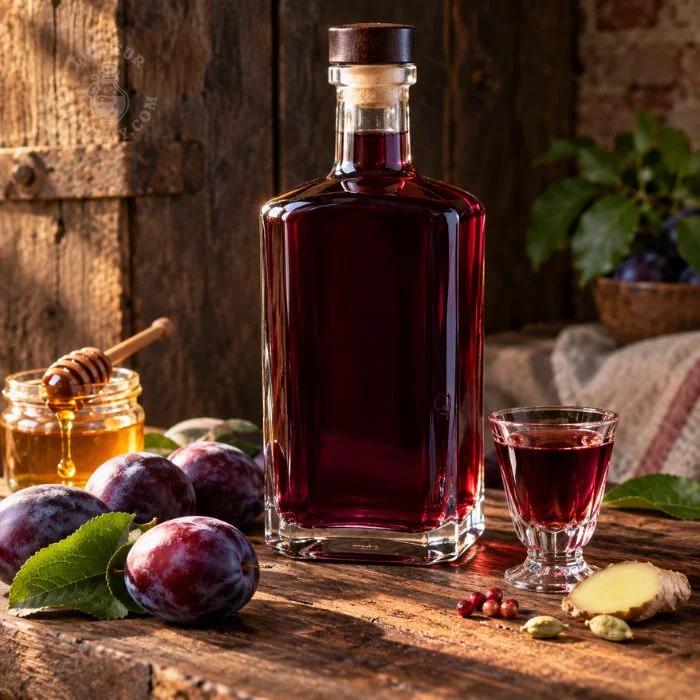
Plumethyst

Plumethyst – Amethyst Plum Liqueur with Cardamom, Honey & Vanilla

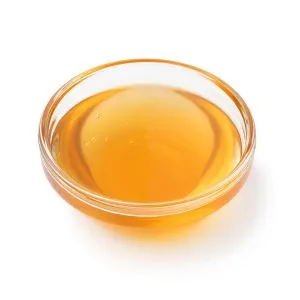
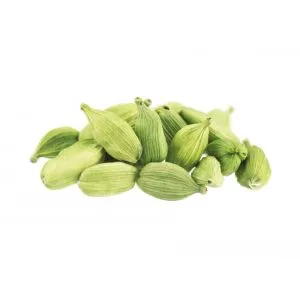
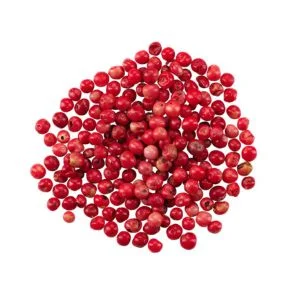
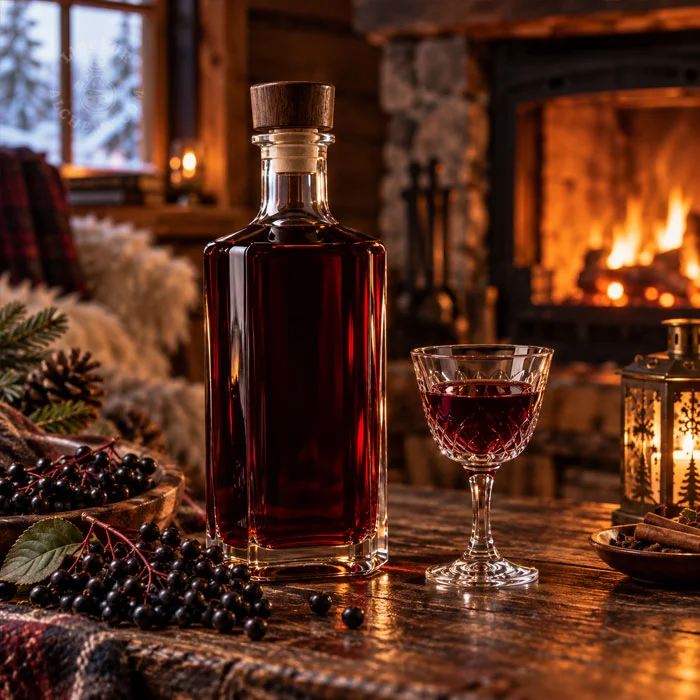
Plumethyst is a fruit-forward prune plum vodka liqueur with a rich purple character and balanced aromatic warmth. Ripe plum provides the deep fruity core, softened by white sugar, honey and vanilla, while cardamom, pink peppercorns and dried ginger contribute floral, citrusy and gently spicy notes without overwhelming the fruit.

Main notes

  • Vodka
  • Prune Plums

Ingredients

  • Vodka — 1 L
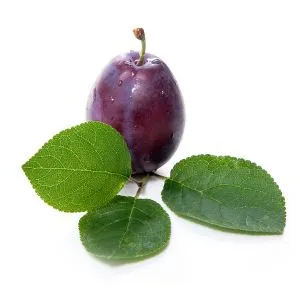
  • Prune Plums — 1 kg
  • White Sugar — 200 g
  • Honey — 50 g
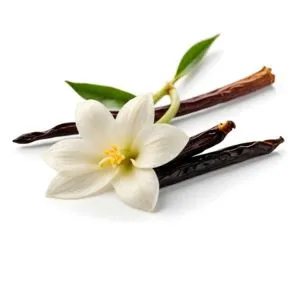
  • Vanilla — ½ pod
  • Cardamom — 4 pods
  • Pink Peppercorns — 8
  • Ginger — 2 g

Preparation

  1. Sort the prune plums, discarding any damaged fruit, then rinse gently and dry thoroughly.
  2. Cut the plums in half and remove the stones. Quarter larger fruit to expose more flesh to the vodka.
  3. Place the prepared plums in a large, clean glass infusion jar and add the white sugar and honey.
  4. Add the vanilla, lightly crushed cardamom pods, pink peppercorns and dried ginger.
  5. Pour in the vodka, ensuring the fruit and aromatics are well covered, then seal the jar tightly.
  6. Store in a cool, dark place for 5 weeks, gently turning or swirling the jar every few days. Begin tasting after 3 weeks and remove spices early if they become too dominant.
  7. Strain through a fine sieve, pressing the plums only lightly to avoid excessive pulp and cloudiness. For a clearer finish, filter again through a fine filter.
  8. Taste and adjust the sweetness only if necessary, then transfer the liqueur into clean, sterilised bottles.
  9. Rest for at least 4 weeks before serving, allowing the plum, vanilla, honey and spices to soften and integrate.
Download

The Story

Plumethyst was inspired by the deep violet-purple colour of ripe prune plums gathered from my auntie’s garden. Their naturally rich, slightly tart fruit gives vodka a jewel-like transformation as it slowly infuses. Vanilla and honey soften the plum’s darker edges, while cardamom adds an aromatic lift, pink peppercorns bring a delicate floral warmth, and dried ginger leaves a subtle spicy finish. The result is elegant rather than heavy: a vivid homemade plum liqueur with layers of ripe fruit, gentle sweetness and fragrant spice, named for the amethyst tones that emerge as the plums surrender their colour to the spirit.

Who is "Plumethyst" Liqueur for?

Plumethyst is for curious drinkers who enjoy fruit-forward liqueurs with an elegant aromatic edge. Its ripe plum, floral pepper, cardamom and gentle ginger suit slow sippers, experimental palates and anyone drawn to distinctive homemade spirits with depth, colour and a refined balance of sweetness and spice.
"Plumethyst" Liqueur Serving Suggestions

Serve Plumethyst slightly chilled in a small liqueur or cordial glass, allowing its ripe plum aroma and fragrant spices to open gradually. It works especially well as an after-dinner pour, with the honeyed fruit, vanilla, cardamom and gentle ginger creating a smooth, warming finish.

Why the Name "Plumethyst"?

Plumethyst combines “plum” with “amethyst”, inspired by the striking purple tones of ripe prune plums and the jewel-like colour they release during infusion. The name captures both the fruit at the heart of the recipe and its elegant appearance in the glass. Like an amethyst gemstone, the liqueur feels dark, vivid and polished, with subtle layers revealed beyond its initial colour.

Testing Notes

The main consideration is keeping the spice behind the plum rather than allowing it to lead. Cardamom and dried ginger can develop quickly, so tasting should begin before the full infusion period ends. Pink peppercorn remains deliberately restrained. After filtration, several weeks of resting noticeably improves integration between the fruit, honey, vanilla and spice.

Plumethyst Liqueur FAQ


White sugar and honey play different roles in a prune plum vodka infusion, so substitutions should be made carefully. White sugar gives clean sweetness and lets the fruit remain bright, while honey adds body, softness and a faint floral character. Replacing all the sugar with honey can make the liqueur heavier and may cover some of the fresh plum aroma.

If substituting, keep part of the white sugar and replace only a portion with a mild honey, light brown sugar or another neutral sweetener. Strong dark honeys, molasses-rich sugars or heavily caramelised sweeteners can shift the flavour away from plum and make the spice profile feel denser.

Make sweetness changes gradually, preferably after straining. The fruit itself contributes sugar, and sweetness often seems stronger once the alcohol softens during resting. Add small amounts, mix thoroughly and allow the liqueur to rest before judging the final balance.

Prune plums can usually remain in vodka for several weeks because they release colour, aroma and fruit flavour gradually. Cardamom, dried ginger and pink peppercorns develop more quickly, so the infusion should be tasted regularly rather than left untouched for the full fruit maceration period.

Begin tasting after about three weeks. If cardamom becomes too perfumed, ginger too sharp or pink peppercorn too floral, remove those spices while leaving the plums to continue infusing. Vanilla is generally softer, but it should also be monitored if the infusion becomes strongly woody or confectionary.

A total fruit infusion of around four to six weeks is usually enough for ripe prune plums. Strain once the plum flavour is full and rounded rather than waiting for maximum extraction. Overlong contact can introduce excessive skin tannin, dull fruit character and a less elegant finish.

Excess spice or bitterness usually comes from leaving cardamom, dried ginger, pink peppercorns or plum skins in contact with the vodka for too long. Lightly crushed cardamom extracts especially quickly, while dried ginger can move from warm to sharp if it dominates the fruit. Plum skins may also contribute tannin during a long maceration.

The best correction is to strain the liqueur as soon as the imbalance is noticed. If the bitterness is mild, allow the filtered liqueur to rest because sharp spice and alcohol notes often soften with time. A small amount of additional plum infusion, sugar syrup or mild honey can help restore fruit and sweetness without masking the recipe completely.

Avoid correcting aggressively in one step. Add sweetness in small amounts, rest, then taste again. For future batches, taste earlier and remove spices separately before the plums have finished extracting. This gives much better control over the final balance.

If a prune plum liqueur tastes too sweet, the safest adjustment is to dilute the sweetness with unsweetened plum-infused vodka or a small amount of plain vodka rather than adding acidity immediately. This lowers sugar concentration while preserving the clean fruit-and-spice character of the recipe.

Make additions in small measured amounts and taste after each adjustment. Too much plain vodka can thin the body and make the alcohol more obvious, so gradual correction is important. If the liqueur feels both sweet and flat, a very small amount of fresh acidity can sharpen the fruit, but it should remain secondary to the plum.

Do not judge sweetness immediately after blending. Alcohol, sugar, honey and plum integrate during resting, and a liqueur that seems slightly sweet at bottling may taste more balanced after several weeks. Record any adjustment so the sugar level can be refined in the next batch.

After straining, prune plum liqueur benefits from at least two to four weeks of rest before final evaluation. Freshly filtered liqueur can taste separate, with alcohol, fruit, honey and spice appearing as individual layers. Resting allows these elements to integrate and usually softens the sharper edges of cardamom, ginger and vodka.

Store the liqueur in clean, tightly sealed glass bottles in a cool, dark place away from sunlight and large temperature changes. Good filtration helps reduce sediment, although a small natural deposit from plum fruit or honey is not unusual. If clarity is important, filter again before the final bottling.

Taste after the resting period before making final sweetness adjustments. Once balanced and bottled cleanly, the liqueur can continue developing for months, often becoming rounder and smoother. Always check for unusual pressure, off aromas or visible spoilage before serving stored homemade liqueur.

RALETED RECIPES OF LIQUEUR ALCHEMY


Explore more creations from Liqueur Alchemy that share similar flavours, techniques, or ingredients. These related recipes offer fresh ideas and inspired combinations to help you craft your next bold, homemade spirit.