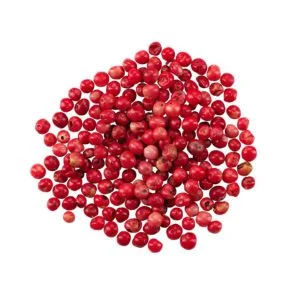
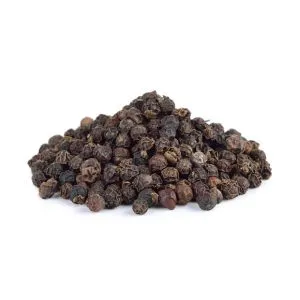
Peppercorns (Pink)

Pink Peppercorns in Liqueur Making: Floral Spice and Lift

Pink peppercorns are valued in liqueur making for their gentle spice, floral warmth, and lightly resinous fruitiness. They are softer and more aromatic than black pepper, bringing lift and elegance rather than heavy heat. In homemade liqueurs, they add aromatic complexity, brighten sweet formulas, and create a refined spicy finish without dominating the fruit core. They pair especially well with citrus, berries, stone fruits, honey, vanilla, and clear spirits in modern, balanced, and expressive infusions.

Peppercorns (Pink)

Home / Ingredients / Spices & Aromatics / Peppercorns (Pink)

Peppercorns (Pink) Flavor Profile

Floral, gently peppery, lightly sweet, resinous, bright, and aromatic with soft warmth and a delicate spicy finish.
Peppercorns (Pink) Impact on Liqueurs

Adds aromatic lift, floral spice, and refined warmth, helping liqueurs feel brighter, more layered, and elegant.

How to Use Peppercorns (Pink)?

Use sparingly because pink peppercorns infuse quickly and can shift from elegant to dominant if overused. Lightly crush only if needed, taste regularly, and combine with fruit, citrus, or vanilla to keep the profile balanced and polished.

Peppercorns (Pink) Pairing Suggestions

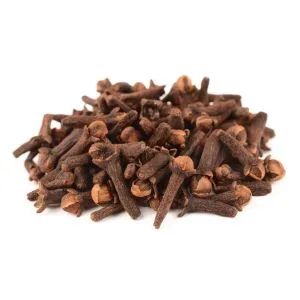
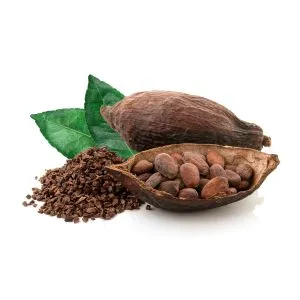
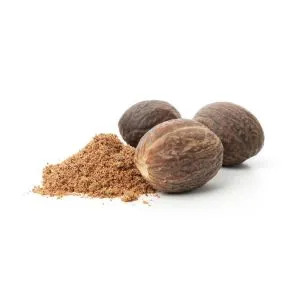
Vodka, Gin, White Rum, Cane Sugar, Honey, Orange Zest, Raspberry, Strawberry, Vanilla, Grapefruit
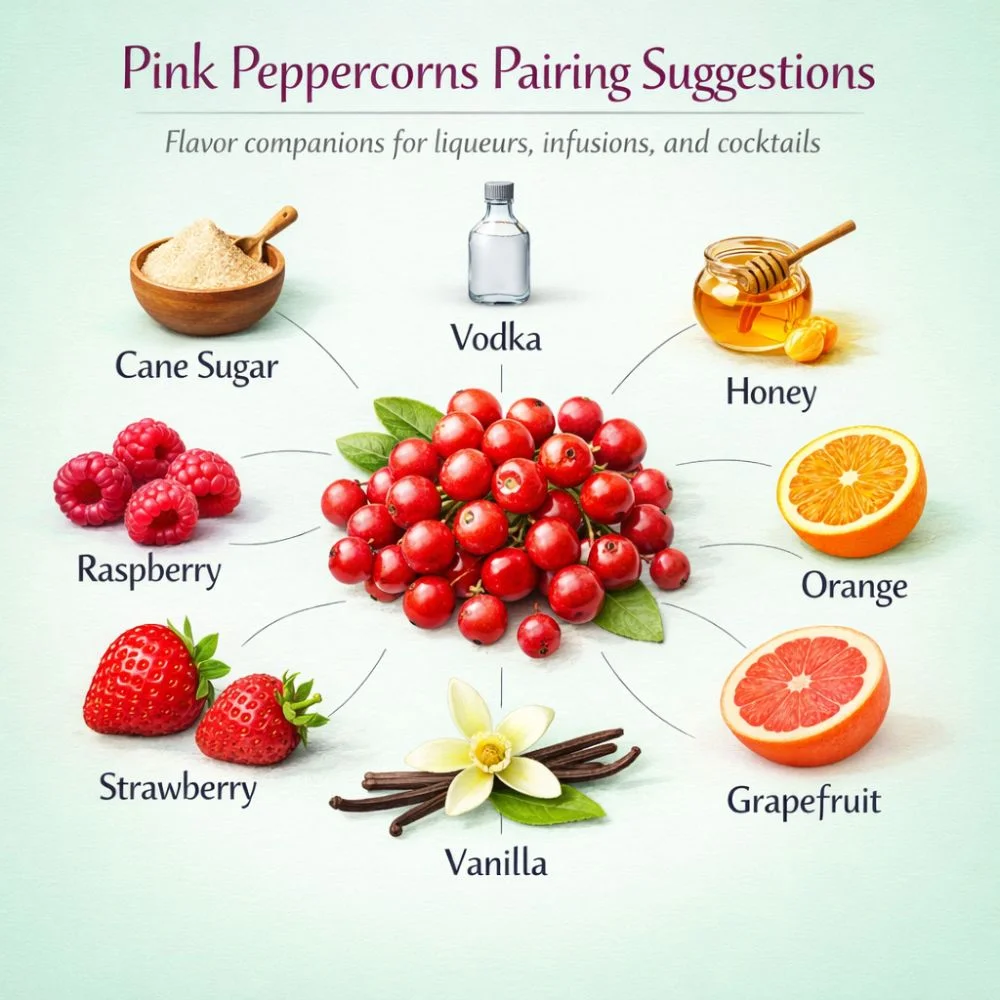
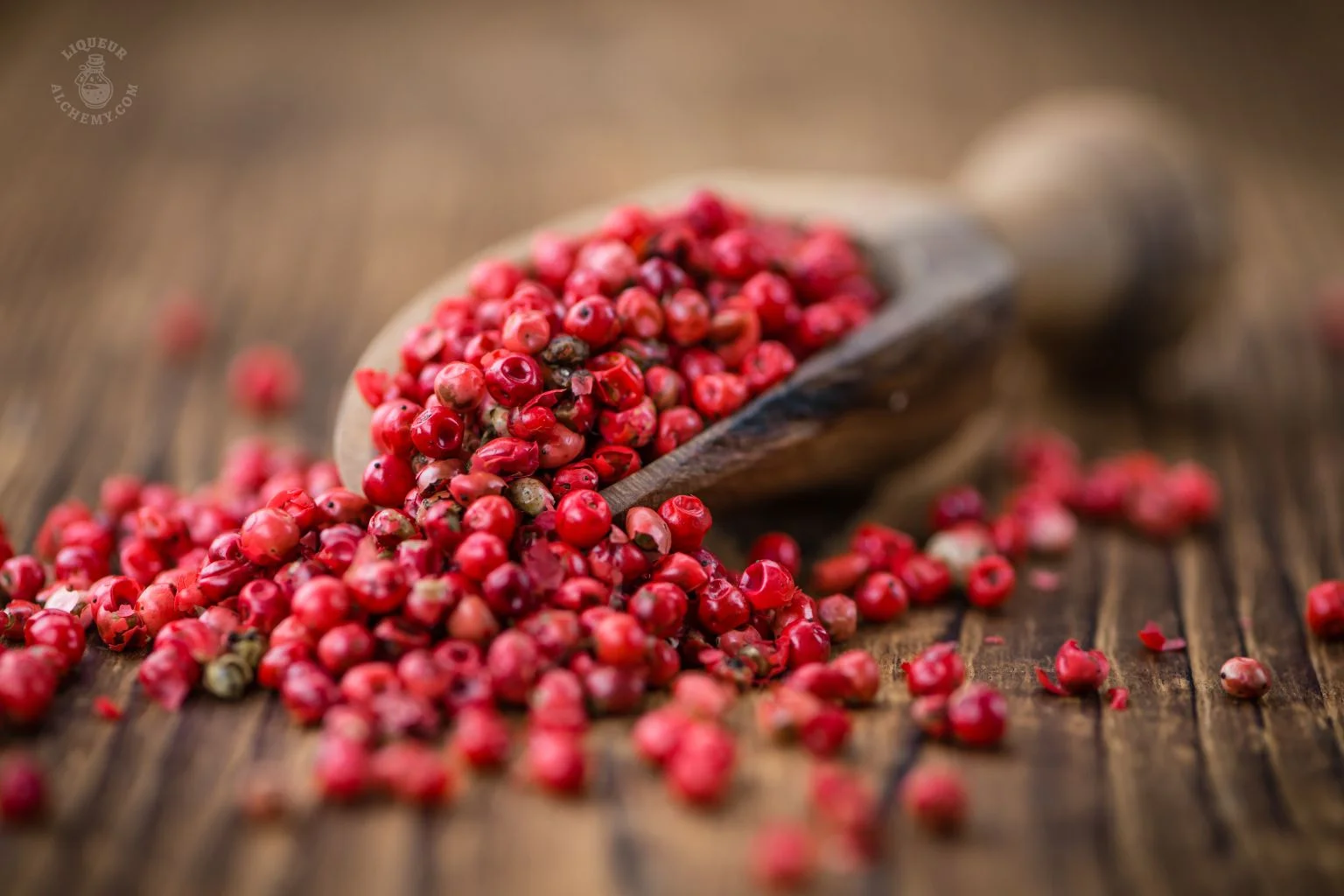
Peppercorns (Pink) pairing suggestions for liqueur making

Peppercorns (Pink) FAQ


Pink peppercorns extract into alcohol in a softer, more aromatic, and more floral way than black or green peppercorns. They do not usually deliver the same sharp bite or earthy pepper heat that black pepper produces, and they are often less green, raw, and piercing than green peppercorns. Instead, pink peppercorns tend to give a gentle spicy lift with a lightly resinous, almost perfumed character. In liqueur making, that makes them especially useful when the goal is to add elegance ...

Black pepper generally builds more heat, dryness, and structure. It can push a liqueur toward a bolder and more assertive spice profile, especially in darker fruit or root-based recipes. Green peppercorns often feel brighter and fresher than black pepper, but they can still be more direct and more obviously peppery than pink peppercorns. Pink peppercorns stand apart because they often behave more like an aromatic accent than a heat source. Their value lies in their ability to widen the aroma and lift swe...

For homemade liqueurs, this means pink peppercorns are often the better choice when the fruit or botanical core is delicate and should remain visible. They add movement and floral spice without demanding all the attention. Compared with black or green peppercorns, they create a more graceful and modern effect, especially in recipes built around citrus, berries, vanilla, stone fruit, or clear spirits.

A few spices can replace pink peppercorns in liqueur making, but each changes the profile slightly. Grains of paradise are one of the closest functional substitutes because they bring aromatic spice with brightness rather than heavy black-pepper force. Cubeb pepper can also work in some recipes if you want a fragrant pepper-like note, though it tends to be cooler and more resinous. Lightly used cardamom may replace the aromatic lift, especially in citrus or fruit liqueurs, even thoug...

The key is understanding what pink peppercorns are doing in the recipe. If they are there to provide gentle spice and lift, grains of paradise are often the most suitable swap. If they are there to widen the aroma and give a faint floral character, cardamom or even a very restrained amount of coriander seed may work. None of these are exact replacements, because pink peppercorns have a distinctive balance of soft spice, floral perfume, and lightly sweet warmth. However, a careful substitute can still pre...

In practice, the best substitute depends on the liqueur’s core ingredients. A berry liqueur may benefit from grains of paradise or coriander. A citrus and vanilla recipe may accept cardamom. Stone-fruit and floral infusions might tolerate cubeb in tiny amounts. The goal is not to replicate pink peppercorns perfectly, but to keep the same graceful aromatic energy without adding blunt heat.

Pink peppercorns usually need a shorter and more carefully monitored infusion than many people expect. Their aromatic qualities can appear quickly, especially in neutral spirits, so long extraction is not always helpful. A practical approach is to start tasting after a few days and continue frequently rather than leaving them unattended for weeks. The goal is to capture their floral spice and gentle warmth while the character still feels lifted and elegant. Once they move beyond that po...

Bitterness is not always the main danger. More often, the problem is that the peppercorns become too resinous, too dominant, or too obviously spicy for the style of liqueur being made. In a fruit infusion, that can flatten the fruit rather than support it. Crushing the peppercorns shortens the ideal timing even further, since extraction accelerates quickly. In richer spirits, the spice may seem integrated for longer, but even then the aromatic grace of pink peppercorns is usually strongest early rather ...

For most homemade liqueurs, regular tasting is the best rule. Pink peppercorns do not need to be pushed to their maximum extraction point to be effective. In fact, they are usually best when stopped slightly earlier, while the aroma still feels bright and polished. Resting after straining often rounds the liqueur naturally, so the maceration itself can remain relatively restrained.

Pink peppercorns overpower delicate fruit liqueurs when their aromatic force is stronger than the fruit’s natural intensity. This happens easily with gentle ingredients such as pear, peach, light berries, or vanilla-supported fruit blends. Although pink peppercorns seem softer than black pepper, they still have a pronounced fragrance and a distinctive resinous warmth. If the dosage is too high, the infusion too long, or the fruit too subtle, the spice will take center stage and the...

The problem is often made worse by preparation choices. Crushed peppercorns extract faster and more broadly, which increases the chance that the floral pepper note becomes the dominant identity of the drink. Low fruit dosage, overly neutral recipe design, or weak balancing acidity can also leave too much room for the peppercorns to spread. Some makers assume the fruit will catch up during resting, but if the aromatic balance is already off, time alone rarely fixes it. Sweetness can soften the edges, yet ...

The best way to prevent domination is to remember that pink peppercorns are an enhancer, not the main body of the liqueur. Use modest amounts, taste often, and let the fruit remain the central voice. When handled carefully, pink peppercorns can make delicate fruit liqueurs feel more vivid and sophisticated. When pushed too far, they stop supporting and start replacing the very thing they were meant to elevate.

Pink peppercorns contribute a flavor profile that is gently spicy, floral, lightly resinous, and surprisingly elegant. They do not usually taste like straightforward pepper heat in the way black pepper does. Instead, they bring a lifted aromatic quality that can feel almost rosy or perfumed, especially when paired with fruit, citrus, or vanilla. In homemade liqueurs, this makes them useful for adding sophistication and movement rather than raw intensity. The result is often a spiced a...

Their warmth is typically soft and woven into the aroma rather than punching through the palate. This makes them highly adaptable in modern liqueur recipes. They can brighten berry or stone-fruit infusions, add intrigue to citrus-forward formulas, and sharpen sweet profiles without making them feel aggressive. The exact expression depends on dosage and timing. At low levels they may simply widen the aroma. At higher levels they become a clearer part of the liqueur’s identity, contributing a refined spicy...

Overall, pink peppercorns bring complexity with grace. They add floral spice, aromatic lift, and a polished warmth that can make a homemade liqueur feel more crafted and layered. They are most appealing when used to support and elevate the main ingredients, not when used as the central flavor. That balance is what lets their character feel elegant rather than loud.
Peppercorns (Pink)
Peppercorns (Pink) in Liqueur Crafting

More Spices & Aromatics


LIQUEUR ALCHEMY TOOLS & RESOURCES


Design labels in minutes—beautiful, practical, and ready to print. Choose a tool below to generate bottle or ingredient labels that match your Liqueur Alchemy workflow.
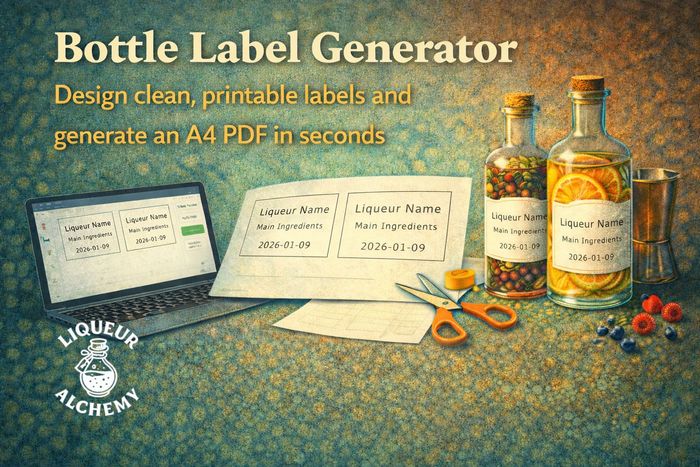
Bottle Label Generator preview

Bottle Label Generator

Create clean bottle labels with your liqueur name, batch details, date — ready for printing and gifting.
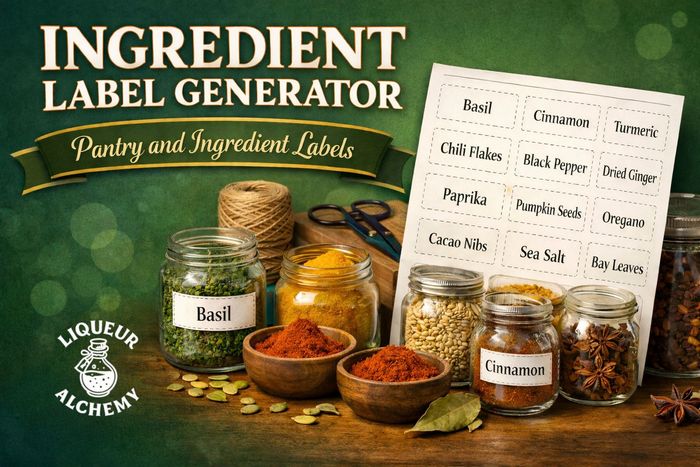
Ingredient Label Generator preview

Ingredient Label Generator

Label jars, containers, and storage bags to maintain clear organization from preparation through infusion and serving.
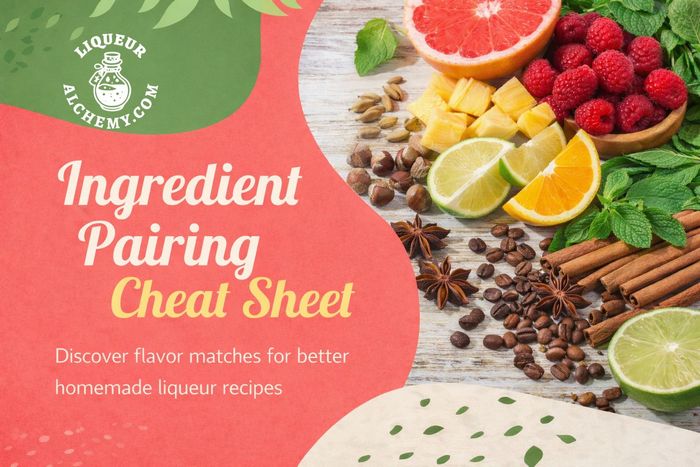
Ingredient pairing cheat sheet for creating balanced homemade liqueurs

Ingredient Pairing Cheat Sheet

Discover flavor combinations that create balanced, complex, and unique homemade liqueurs.