Currantula

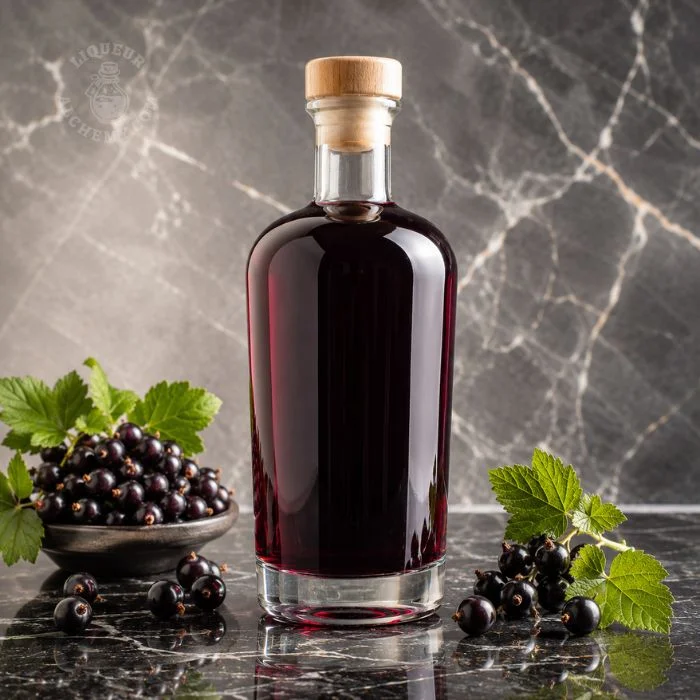
Currantula Blackcurrant Liqueur with Vanilla, Honey and Pink Pepper

Currantula is a deeply aromatic blackcurrant vodka liqueur combining intense cassis fruit with balanced sweetness from white sugar, light brown sugar and honey. Vanilla softens the palate, while fennel, cloves and pink peppercorns add elegant botanical complexity. Bright lemon juice lifts the finish, creating a smooth, richly layered liqueur with excellent depth and a long, vibrant aftertaste.

Main notes

  • Vodka
  • Blackcurrants

Ingredients

  • Vodka — 1 L
  • Blackcurrants — 1 kg
  • White Sugar — 120 g
  • Light Brown Sugar — 60 g
  • Honey — 40 g
  • Vanilla — ¼ pod
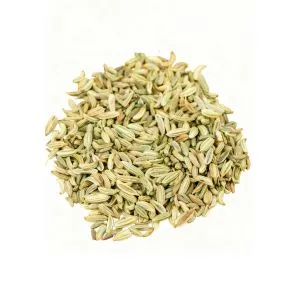
  • Fennel Seeds — ¼ tsp
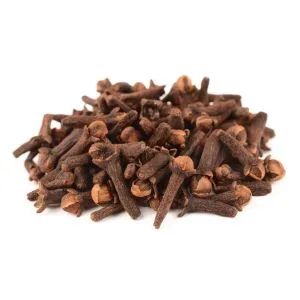
  • Cloves — 2
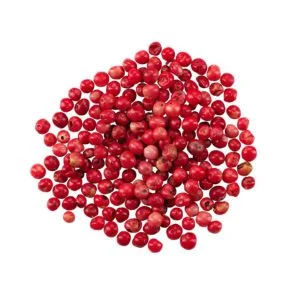
  • Pink Peppercorns — 4
  • Lemon Juice — 20 ml

Preparation

  1. Carefully sort the blackcurrants, removing any stems or damaged berries, then rinse gently and allow them to dry completely.
  2. Lightly crush around one-third of the berries to release their juices while leaving the remainder whole for a balanced extraction.
  3. Place the blackcurrants into a large sterilised glass jar.
  4. Add the split vanilla pod, fennel seeds, cloves and lightly crushed pink peppercorns.
  5. Pour the vodka over the ingredients, ensuring everything is fully submerged, then seal the jar.
  6. Store in a cool, dark place for 21 days, gently shaking the jar every few days.
  7. Strain through a fine sieve, then filter through cheesecloth or coffee filters until the liqueur becomes clear.
  8. Stir in the white sugar, light brown sugar, honey and lemon juice until fully dissolved, then bottle and mature for at least 4 weeks before serving.
Download

The Story

Currantula is a bold blackcurrant liqueur woven from deep woodland fruit and refined botanical detail. Ripe blackcurrants deliver an intense cassis character, naturally rich in colour and aroma, while vanilla softens the fruit with a silky sweetness. Gentle fennel seeds introduce a delicate herbal lift, cloves add quiet warmth, and pink peppercorns brighten the finish with subtle floral spice. A blend of white sugar, light brown sugar and honey creates balanced sweetness without masking the berries, while fresh lemon juice preserves brightness. The result is a dark, elegant liqueur with remarkable depth, smooth texture and a long, vibrant finish that lingers beautifully after every sip.

Who is "Currantula" Liqueur for?

Currantula is for lovers of bold berry flavours and elegant spirits with character. Perfect for slow sippers, adventurous palates and anyone who appreciates rich fruit balanced by gentle spice, floral warmth and refined botanical complexity.

"Currantula" Liqueur Serving Suggestions

Serve lightly chilled in a small tulip or liqueur glass after dinner or on an autumn evening. Its deep blackcurrant flavour, soft vanilla and delicate spice shine beautifully when enjoyed slowly on their own.

Why the Name "Currantula"?

The name Currantula blends currant with a playful twist inspired by the mysterious elegance of a spider weaving its intricate web. Like that web, the liqueur layers flavour with remarkable precision—rich blackcurrants at its heart, surrounded by delicate threads of vanilla, spice and citrus. The name is memorable, slightly mischievous and perfectly reflects the dark, captivating character of this bold berry creation.

Testing Notes

Early trials using larger amounts of brown sugar and cloves produced a heavier, more syrupy profile that masked the freshness of the blackcurrants. Reducing the brown sugar, limiting the cloves and introducing pink peppercorns created a brighter, more expressive flavour while preserving depth. Four weeks of bottle maturation noticeably improved balance and integration.

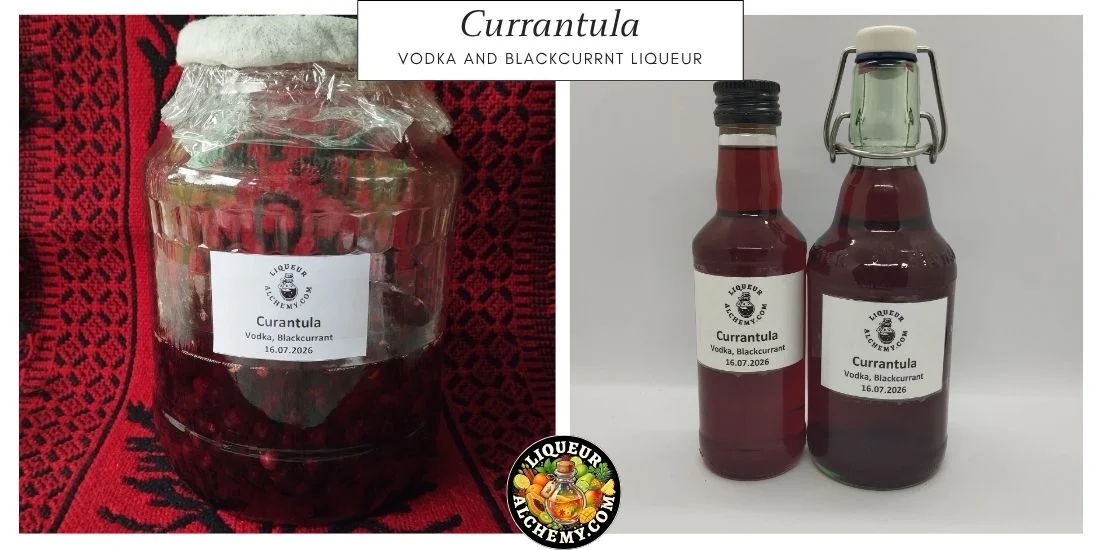
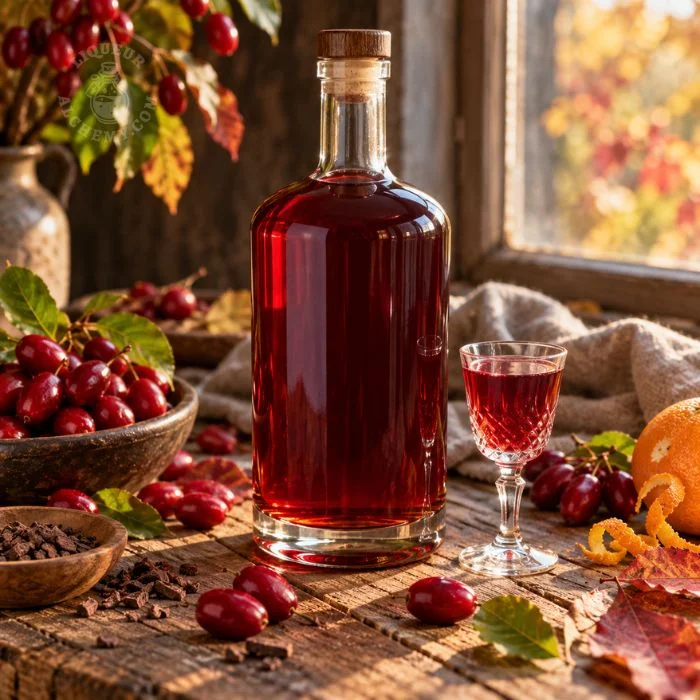
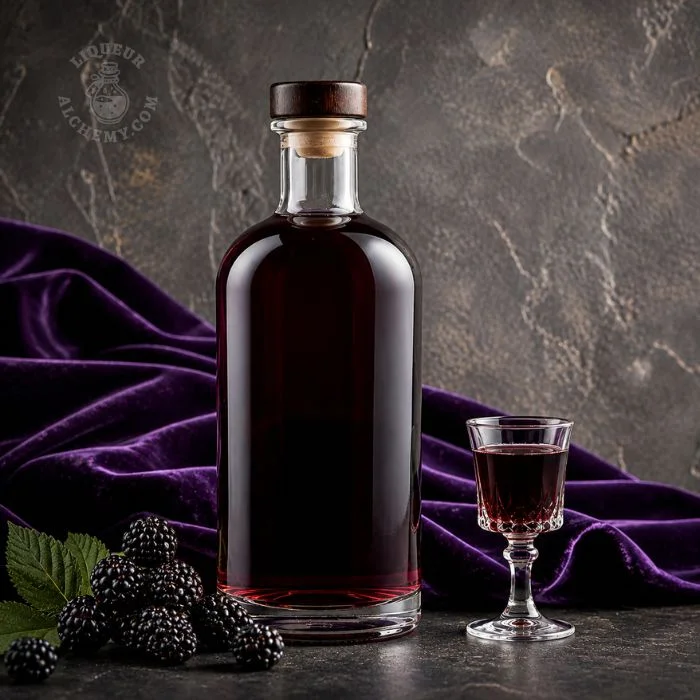
Currantula liqueur during maceration and finished bottled liqueur

Currantula Liqueur FAQ


Infuse the blackcurrants in vodka for about 21 days, but monitor the spices before the fruit is finished. Blackcurrants need enough time to release colour, aroma and tannin, while cloves, fennel and pink peppercorns extract much faster. Leaving all botanicals for the full period may create an overly medicinal or spicy finish.

Taste the infusion after 5–7 days. Remove the cloves if their warmth is already clearly noticeable, and consider removing the fennel seeds and pink peppercorns between days 7 and 10. The vanilla can usually remain for the full 21 days because only a quarter pod is used. Continue the fruit infusion until the blackcurrant flavour is deep and complete.

Use a clean spoon or pipette when tasting and reseal the jar immediately. The exact timing depends on berry ripeness, spice freshness and storage temperature, so use flavour rather than the calendar as the final guide. If the spice character becomes prominent before the fruit is ready, strain out the botanicals and return only the blackcurrants and vodka to the jar.

View this Liqueur FAQ as a standalone page

A medicinal or bitter flavour usually comes from over-extracted cloves, fennel seeds, pink peppercorns or crushed blackcurrant seeds. Five or more cloves, heavily crushed spices, or an infusion kept warm for too long can overpower the fruit. Crushing all the berries can also increase tannin and seed bitterness, especially when the mixture is shaken aggressively.

Remove the spices immediately and strain the infusion if the flavour is already too strong. Let the liquid rest for several days before correcting it, because sharp spice notes often soften after filtration. A small addition of sugar syrup, honey or fresh lemon juice can rebalance the liqueur, but avoid adding large amounts at once.

For a seriously over-spiced batch, blend it with a separately prepared plain blackcurrant-and-vodka infusion. This preserves the fruit character more effectively than excessive sweetening. In future batches, crush only about one-third of the fruit, use two cloves, lightly crack the pink peppercorns and begin tasting the botanicals during the first week.

View this Liqueur FAQ as a standalone page

Yes, but the replacement changes both sweetness and body. Light brown sugar contributes mild caramel depth, while honey adds roundness and a soft floral note. Replacing either with only white sugar will make the liqueur cleaner and brighter, but slightly less complex. Keep the total sweetener weight similar and adjust after filtering rather than adding everything at once.

For the light brown sugar, use demerara, light muscovado or additional white sugar in the same weight. Avoid dark muscovado unless you want a heavier molasses character, because it can overwhelm the blackcurrants. For honey, choose a mild multifloral or acacia honey. Strong forest, buckwheat or heather honey may dominate the cassis flavour.

When substituting, dissolve the sweetener into the strained infusion and taste after it has rested for several days. Blackcurrants are naturally sharp and tannic, so sweetness can seem lower immediately after mixing. Add further sugar or honey in small 10–15 g increments, allowing time for the flavour to settle before making another adjustment.

If the liqueur is too sour, add dissolved white sugar or mild honey in small increments of 10–15 g per litre. White sugar brightens the fruit, while honey adds softness and body. Rest the liqueur for several days after each adjustment because blackcurrant acidity and tannin can make the first tasting seem sharper than the finished result.

If it is too sweet or heavy, add a small amount of vodka, beginning with 25–50 ml per litre, and taste again. A few millilitres of lemon juice may restore freshness, but the recipe already contains 20 ml, so additional acid should be added cautiously. Avoid using water because it can thin the flavour and reduce stability.

A balanced result should taste intensely fruity rather than syrupy, with the vanilla and spice supporting rather than covering the cassis. Make final corrections only after filtration and an initial resting period. Record every addition so the successful balance can be repeated accurately in the next batch, especially when working with fruit that varies in ripeness and acidity.

After sweetening and bottling, allow the liqueur to mature for at least four weeks before judging the final flavour. During this period, the sharp blackcurrant acidity softens, the sugars integrate and the vanilla and spices become less separate. A longer rest of eight to twelve weeks usually produces a smoother and more polished result, with better integration between the cassis fruit, honey, vanilla and warm botanicals.

Store the bottles tightly sealed in a cool, dark cupboard away from sunlight and temperature changes. Clean, sterilised bottles are essential. Because the recipe contains vodka, sugar and relatively little fresh lemon juice, it is generally stable, but poor filtration or contaminated equipment can cause haze, sediment or off aromas.

Check the bottle occasionally during the first month. Fine sediment is normal and can be removed by careful decanting or a second filtration. Once opened, keep the bottle cool and tightly closed. Discard the liqueur if it develops gas, mould, unusual cloudiness combined with off odours, or any sign of fermentation.

RALETED RECIPES OF LIQUEUR ALCHEMY


Explore more creations from Liqueur Alchemy that share similar flavours, techniques, or ingredients. These related recipes offer fresh ideas and inspired combinations to help you craft your next bold, homemade spirit.