Noctiblue

Noctiblue Blueberry Liqueur with Juniper, Black Lemon and Cacao

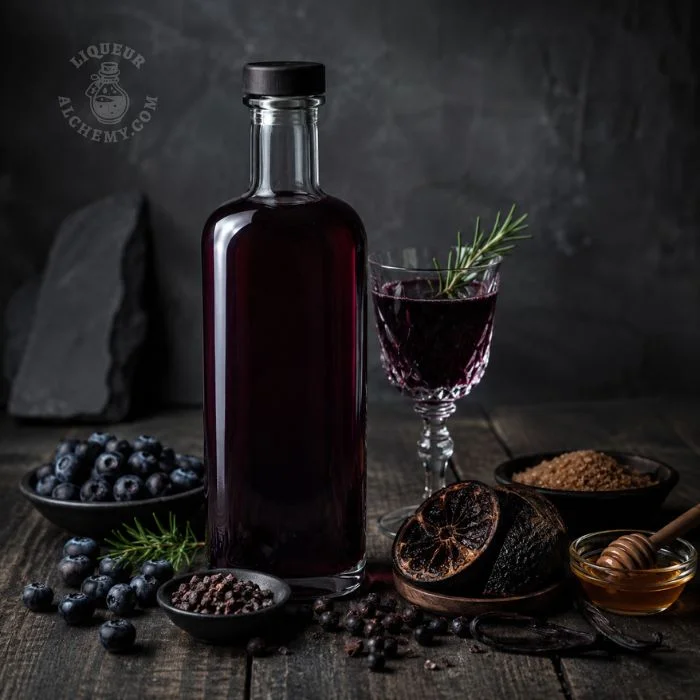
Noctiblue is a sophisticated blueberry vodka liqueur featuring layers of dark berry fruit, woodland juniper, dried citrus complexity, soft vanilla, and subtle cacao. Balanced by honey, coconut sugar, and white sugar, it delivers a rich yet elegant profile with a smooth texture and a lingering forest-inspired finish.

Main notes

  • Vodka
  • Blueberries

Ingredients

  • Vodka — 1 L
  • Blueberries — 1 kg
  • White Sugar — 100 g
  • Coconut Sugar — 100 g
  • Honey — 40 g
  • Juniper Berries — 8 berries
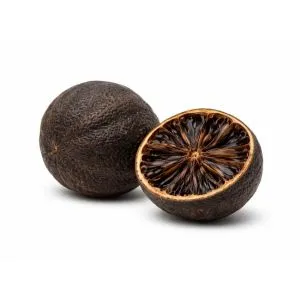
  • Black Lemon — ½ whole
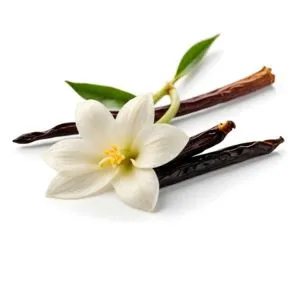
  • Vanilla — ½ pod
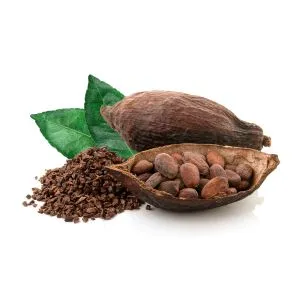
  • Cacao Nibs — 6 g
  • Lemon juice — 20 ml

Preparation

  1. Wash the blueberries thoroughly, drain well, and lightly crush approximately one-third of the fruit to release additional juice and flavour.
  2. Place the blueberries into a large sterilised glass jar.
  3. Lightly crush the juniper berries and crack the black lemon into several pieces before adding them to the jar.
  4. Add the vanilla pod and cacao nibs.
  5. Pour the vodka over all ingredients, ensuring everything is fully submerged beneath the liquid.
  6. Seal the jar tightly and store in a cool, dark place for 21 days, gently shaking every few days.
  7. Strain the infusion through a fine sieve, then filter through cheesecloth or coffee filters until clear.
  8. Add the white sugar, coconut sugar, honey, and lemon juice, stirring until completely dissolved.
  9. Bottle the liqueur and allow it to mature for at least 8 weeks before serving.
Download

The Story

1. Wash the blueberries thoroughly, drain well, and lightly crush approximately one-third of the fruit to release additional juice and flavour.

Who is "Noctiblue" Liqueur for?

Noctiblue is for drinkers who enjoy layered flavours and slow, thoughtful sipping. Its dark berry character, subtle botanicals, and gentle cacao notes appeal to curious palates seeking something more refined than a traditional fruit liqueur, whether shared on a quiet evening or enjoyed as a personal indulgence.

"Noctiblue" Liqueur Serving Suggestions

Serve Noctiblue lightly chilled in a small liqueur glass after dinner or during relaxed evening gatherings. The cool temperature highlights the blueberry aroma, while allowing the juniper, black lemon, vanilla, and cacao notes to unfold gradually across the palate.

Why the Name "Noctiblue"?

The name Noctiblue combines "nocti," inspired by the night, with "blue," reflecting the deep colour and flavour of ripe blueberries. It was chosen to evoke moonlit forests, quiet woodland paths, and the mysterious character of the liqueur itself. The dark berries, juniper, black lemon, and cacao create a flavour profile that feels both nocturnal and vibrant, making the name a natural fit.

Testing Notes

Early trials showed that excessive cacao could overshadow the blueberry character, so the dosage was reduced to maintain balance. Juniper proved most effective when lightly crushed, providing freshness without dominating the fruit. Black lemon added welcome complexity, while a combination of coconut sugar and honey produced a smoother, more rounded finish than white sugar alone.

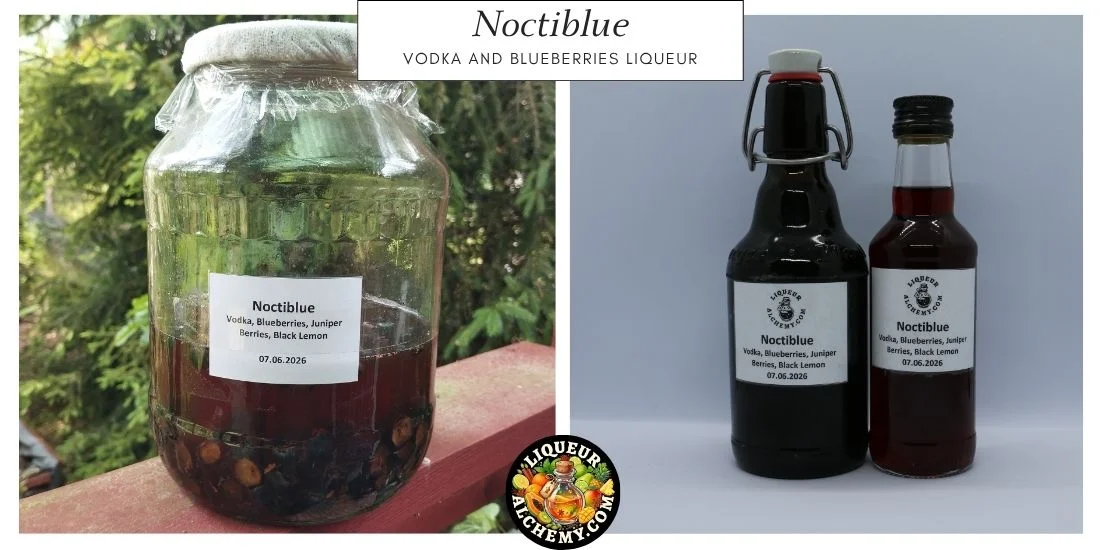
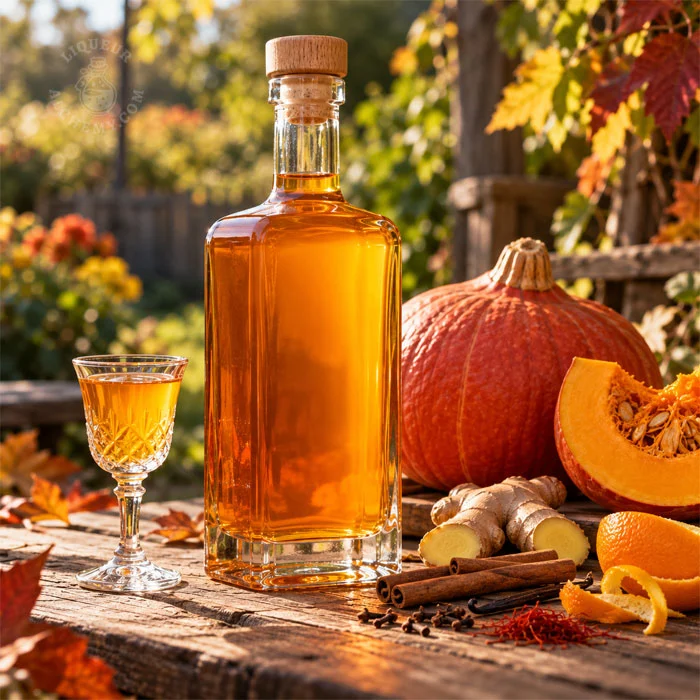
Noctiblue liqueur during maceration and finished bottled liqueur

Noctiblue Liqueur FAQ


Bitterness usually comes from too much extraction rather than from the blueberries themselves. Black lemon can bring dry citrus peel, fermented lime notes and a pleasant dark edge, but too much contact time or too large a piece can make the liqueur taste medicinal. Cacao nibs can also add a powdery bitterness if they are overused.

Another common mistake is crushing all the blueberries too aggressively. This can release more skins, pulp and sediment, making the liqueur feel heavy and slightly rough. Lightly crushing only one-third of the fruit gives good colour and juice while keeping the texture cleaner and easier to filter.

To fix bitterness, remove the botanicals, filter patiently, and let the liqueur rest before making large corrections. Add honey or sugar in small portions, not all at once. A little lemon juice can brighten a flat liqueur, but it will not remove bitterness, so use sweetness, resting time and careful filtration as the main corrections.

View this Liqueur FAQ as a standalone page

Black lemon gives this liqueur dry citrus depth, gentle bitterness and a slightly smoky fermented character, so the best replacement should add more than simple freshness. Use two thin strips of lemon zest plus one small strip of orange zest for a brighter substitute, or use a small piece of dried lemon peel if you want a darker, more mature citrus note.

If you want to keep the dry, mysterious edge, add lemon zest and reduce the lemon juice slightly until tasting. A tiny pinch of cacao nibs or one extra crushed juniper berry can help recreate some of the earthy depth, but avoid adding too much spice because blueberry can quickly lose its clean fruit character.

Do not replace black lemon with too much fresh lemon juice at the start of maceration. Juice changes acidity more than aroma and can make the finish sharp. It is better to infuse with zest or dried peel, then adjust brightness with lemon juice after filtration and sweetening.

View this Liqueur FAQ as a standalone page

White sugar gives clean sweetness, coconut sugar adds darker caramel notes, and honey brings floral softness and roundness. In this recipe, the combination works because blueberry has enough acidity and tannin-like skin character to support a richer sweetener blend. The goal is depth, not a syrupy dessert drink.

If the liqueur tastes too sweet, do not dilute it immediately. First add lemon juice in small amounts and let it rest for several days before tasting again. Acidity can make the sweetness feel cleaner and help the blueberry aroma return. If it still feels too heavy, blend with a small amount of unsweetened blueberry vodka infusion.

If it tastes too dry or sharp, add honey or white sugar syrup gradually. Coconut sugar should be used carefully after filtration because it can darken the flavour and push the profile toward molasses. The best balance is achieved when the first impression is blueberry, the middle is smooth and rounded, and the finish remains lightly dry.

View this Liqueur FAQ as a standalone page

For this blueberry vodka infusion, 21 days is a good full maceration time when the botanicals are used in restrained amounts. Juniper berries, black lemon, vanilla and cacao nibs can stay in the jar for the full period if they are measured carefully, because the fruit needs enough time to release colour, aroma and body.

The first ingredient to watch is black lemon. If the infusion starts tasting too dry, bitter or strongly fermented after 10 to 14 days, remove the black lemon and allow the blueberries, vanilla, cacao and juniper to continue. Cacao nibs can also become dusty or overly bitter if the quantity is increased, so keep them close to 6 g per litre.

Taste once a week rather than opening the jar every day. When the blueberry flavour is deep, the juniper is aromatic but not gin-like, and the cacao sits in the background, strain the whole infusion. After filtering, sweetness and lemon juice should be adjusted separately because they are easier to control outside the maceration jar.

View this Liqueur FAQ as a standalone page
After filtering and sweetening, this liqueur should rest for at least 8 weeks before serving. Blueberry infusions often taste separated at first, with fruit, alcohol, citrus, cacao and sweetness appearing as individual layers. Resting allows these elements to soften into a smoother, darker and more elegant profile.

The first two weeks are mainly about settling and integration. Fine sediment may appear even after careful filtering, especially when crushed blueberries and cacao nibs are used. Store the bottle in a cool, dark place and avoid shaking it once sediment begins to fall. If needed, decant or refilter before final bottling.

Longer resting, around 8 to 12 weeks, is especially useful for black lemon and juniper. These ingredients can seem sharp early on but become more polished with time. Keep the bottle tightly sealed, away from sunlight and heat, and serve lightly chilled once the aroma feels rounded and the finish is smooth.

RALETED RECIPES OF LIQUEUR ALCHEMY


Explore more creations from Liqueur Alchemy that share similar flavours, techniques, or ingredients. These related recipes offer fresh ideas and inspired combinations to help you craft your next bold, homemade spirit.