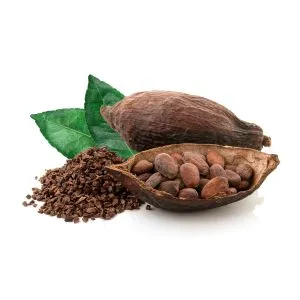
Cacao Nibs

Cacao Nibs for Liqueur Infusions – Flavor & Pairing Tips

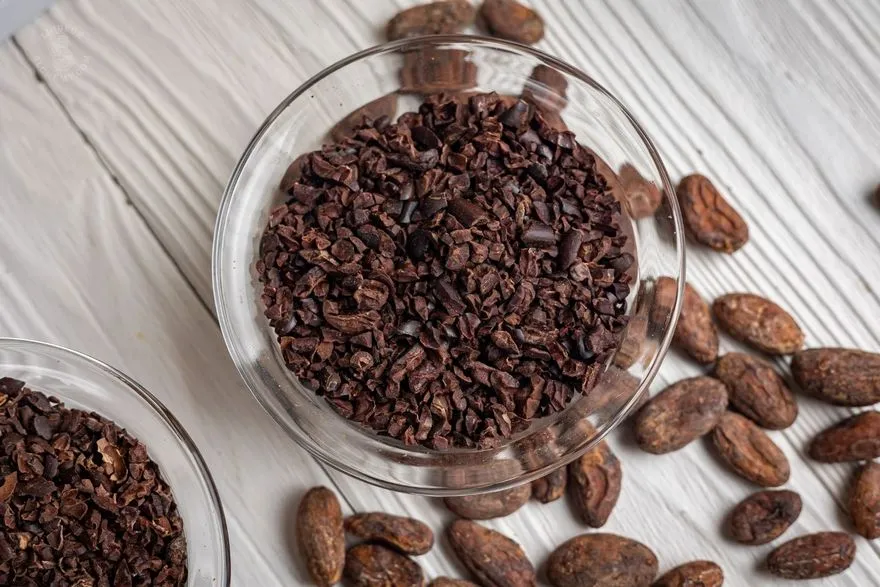
Cacao nibs bring a refined, natural chocolate character to liqueurs, offering earthy depth, warm bitterness, and aromatic richness. Their slow extraction releases layered flavors that feel smooth, rounded, and slightly roasted. Unlike powders, cacao nibs infuse cleanly without creating sediment, making them ideal for premium liqueurs. They pair beautifully with nuts, chili, vanilla, and dark spirits, delivering elegant cocoa warmth and long, satisfying depth.

Cacao Nibs

Home / Ingredients / Spices & Aromatics / Cacao Nibs

Cacao Nibs Flavor Profile

Deep cocoa aroma, bitter-dark chocolate notes, dry and earthy with roasted undertones.
Cacao Nibs Impact on Liqueurs

Adds structure and adult bitterness, grounding sweetness and giving liqueurs a dark, chocolate backbone.

How to Use Cacao Nibs?

Use lightly crushed nibs; 30–60 g per 1 L. Infuse 1–3 weeks in rum, vodka, or brandy; sweeten after.

Cacao Nibs Pairing Suggestions

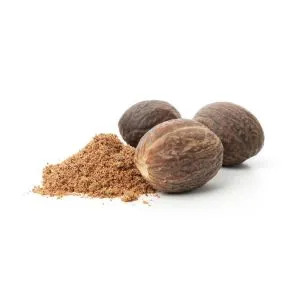
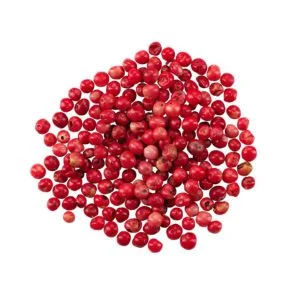
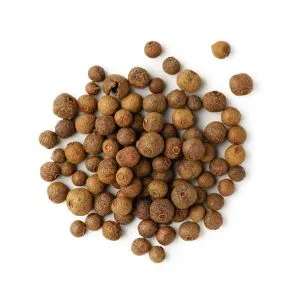
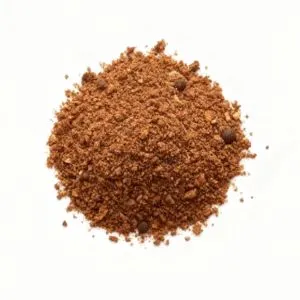
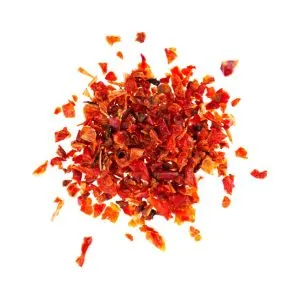
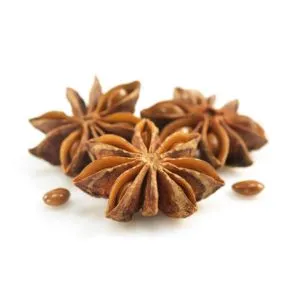
Rum, Brown Sugar, Vanilla, Coffee, Cinnamon, Chili, Orange Peel, Nutmeg
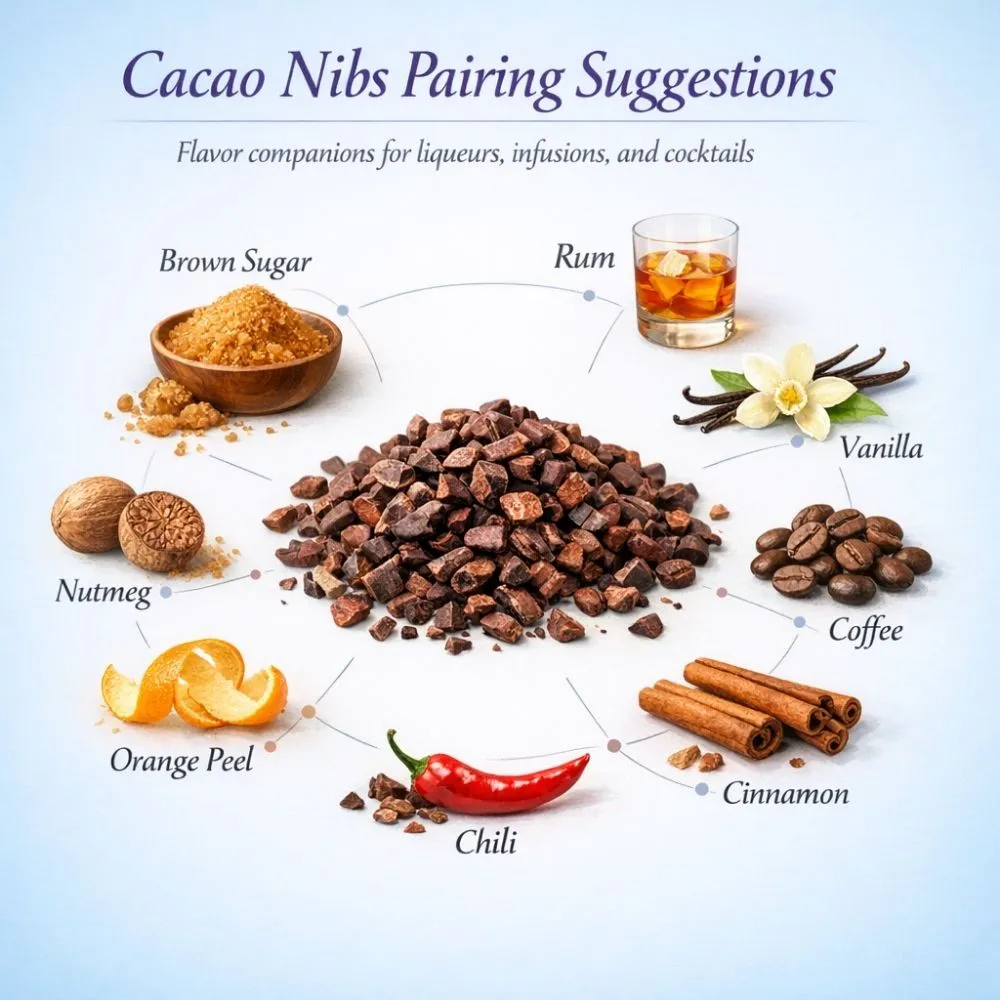
Cacao Nibs pairing suggestions for liqueur making

Cacao Nibs FAQ


Cacao nibs extract cocoa aroma steadily and are forgiving, but long steeps can bring dryness and bitterness. Use 45–60% ABV for clean extraction and start with 30–80 g nibs per liter depending on intensity. Taste at day 3–4 and plan to strain around 7–21 days.

For a softer profile, infuse nibs alone, strain, then sweeten and optionally add vanilla. If you want mocha, blend in a small roasted coffee infusion after straining the cacao. Rest the finished liqueur 2–4 weeks—cocoa edges mellow and integrate noticeably.

Common mistakes include using very high heat syrups, adding too many spices, and leaving nib fines in the bottle. Flavor impact should be dark chocolate, not burnt. Store cool and dark; cacao is fairly stable and ages nicely.

You can, but nibs are the cleanest option. Cocoa powder clumps and creates stubborn haze; chocolate bars add fats and emulsifiers that can separate and reduce shelf stability. If you must use cocoa powder, use a tiny amount and expect heavy settling and filtration.

A better substitute is to infuse nibs (or even roasted cacao husk) and then add sweetness and vanilla for a “chocolate” impression. If you want a creamy style, it’s best done as a separate cream liqueur process, not a straight infusion.

Common mistakes include using milk chocolate (fat), heating chocolate into alcohol (grainy separation), and trying to filter immediately. Flavor impact from bars can be rich but unstable. Store cold and consume quickly if you used chocolate fats.

Several factors influence the extraction of flavors from cacao nibs, including the type of alcohol used, the temperature, and the duration of infusion. Higher proof spirits tend to extract flavors more effectively due to their stronger solvent properties. Additionally, warmer temperatures can accelerate the extraction process, but care must be taken to avoid overheating.

The size of the cacao nibs also plays a crucial role. Crushing or grinding the nibs can increase the surface area, allowing for more efficient extraction. However, this can also lead to a more intense flavor, so it's essential to find a balance that suits your desired outcome.

Lastly, the infusion time is critical; shorter infusions may yield a milder flavor, while longer ones can result in a more robust profile. Regular tasting during the process can help determine the ideal extraction time for your liqueur.

The recommended dosage of cacao nibs typically ranges from 50 to 100 grams per liter of spirit. This amount balances the rich chocolate flavor without overpowering other ingredients. Start with 50 grams if you prefer a subtler taste.

If you're experimenting with different spirits or flavor profiles, adjust the dosage accordingly. For example, sweeter spirits may require less cacao to maintain balance. Always remember that you can add more later, but it's challenging to reduce the flavor once it's infused.

Tasting your infusion regularly will help you determine if you need to add more cacao nibs. This way, you can achieve the perfect balance for your unique liqueur recipe.

Yes, you can replace cacao nibs with various ingredients depending on your desired flavor profile. For a sweeter option, try using chocolate syrup, which will add both sweetness and chocolate flavor. Just be cautious with the quantity to avoid making your liqueur overly sweet.

Another option is to use carob chips, which provide a similar texture and a sweet, earthy flavor. Carob is naturally sweeter than cacao, so you may want to reduce other sweeteners in your recipe to maintain balance.

Lastly, consider using vanilla beans or extract for a different flavor experience. While they won't replicate the chocolate taste, they can enhance the overall complexity of your liqueur, creating a delightful fusion of flavors.
Cacao Nibs
Cacao Nibs in Liqueur Crafting

More Spices & Aromatics


LIQUEUR ALCHEMY TOOLS & RESOURCES


Design labels in minutes—beautiful, practical, and ready to print. Choose a tool below to generate bottle or ingredient labels that match your Liqueur Alchemy workflow.
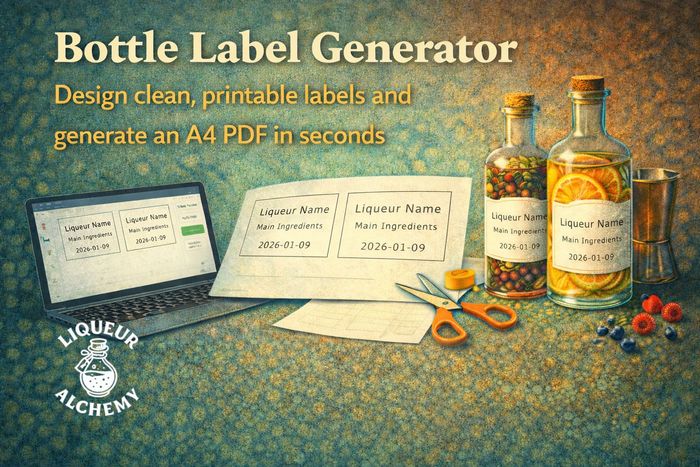
Bottle Label Generator preview

Bottle Label Generator

Create clean bottle labels with your liqueur name, batch details, date — ready for printing and gifting.

Ingredient Label Generator preview

Ingredient Label Generator

Label jars, containers, and storage bags to maintain clear organization from preparation through infusion and serving.
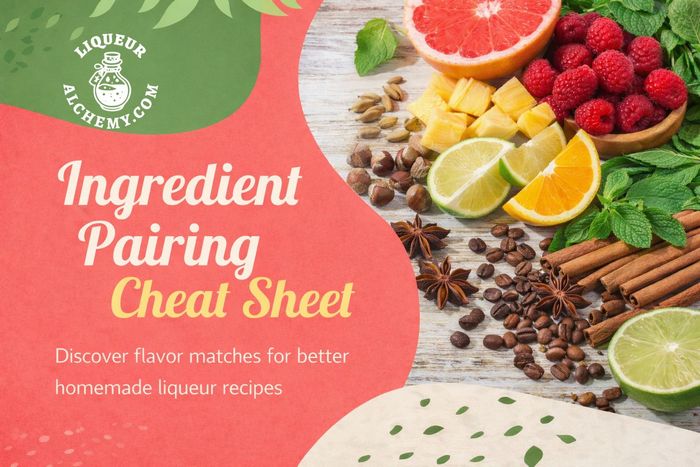
Ingredient pairing cheat sheet for creating balanced homemade liqueurs

Ingredient Pairing Cheat Sheet

Discover flavor combinations that create balanced, complex, and unique homemade liqueurs.